
Last updated November 23, 2026
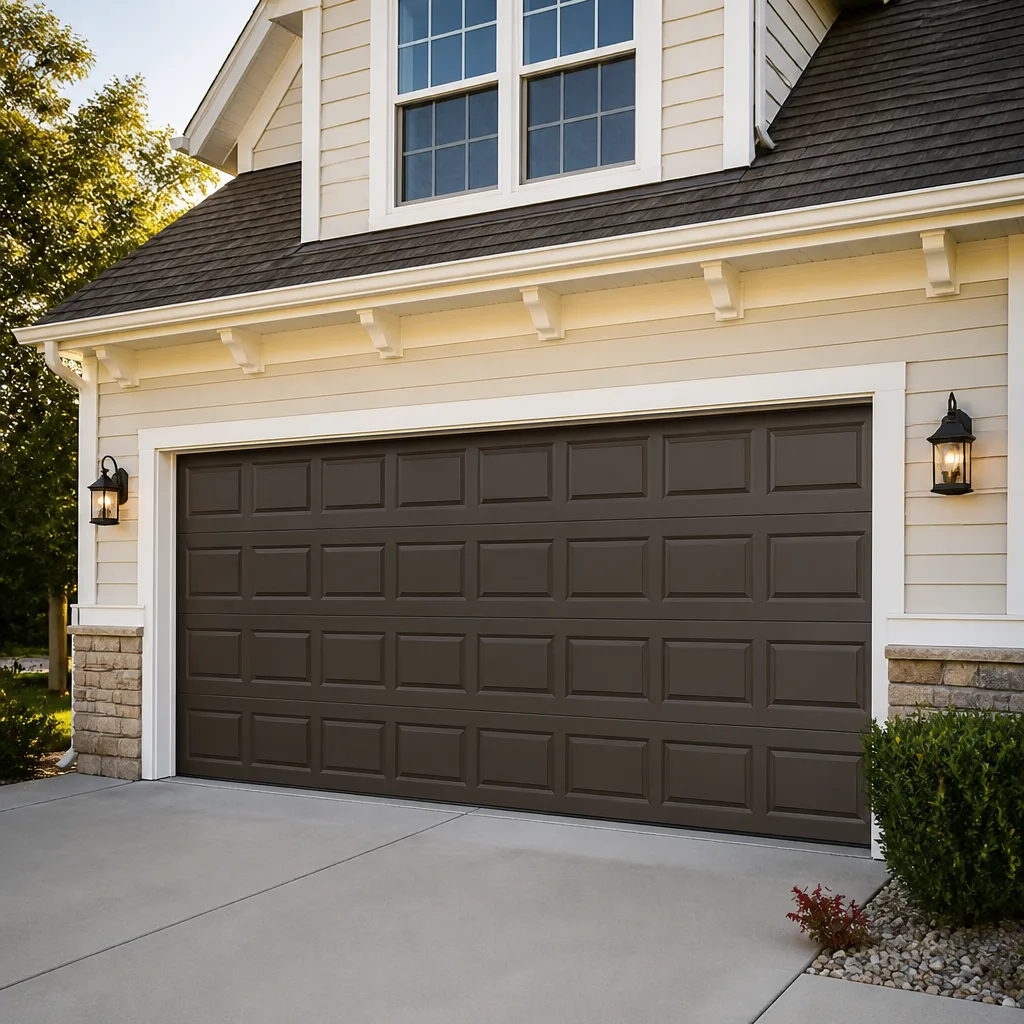 Raised-panel steel
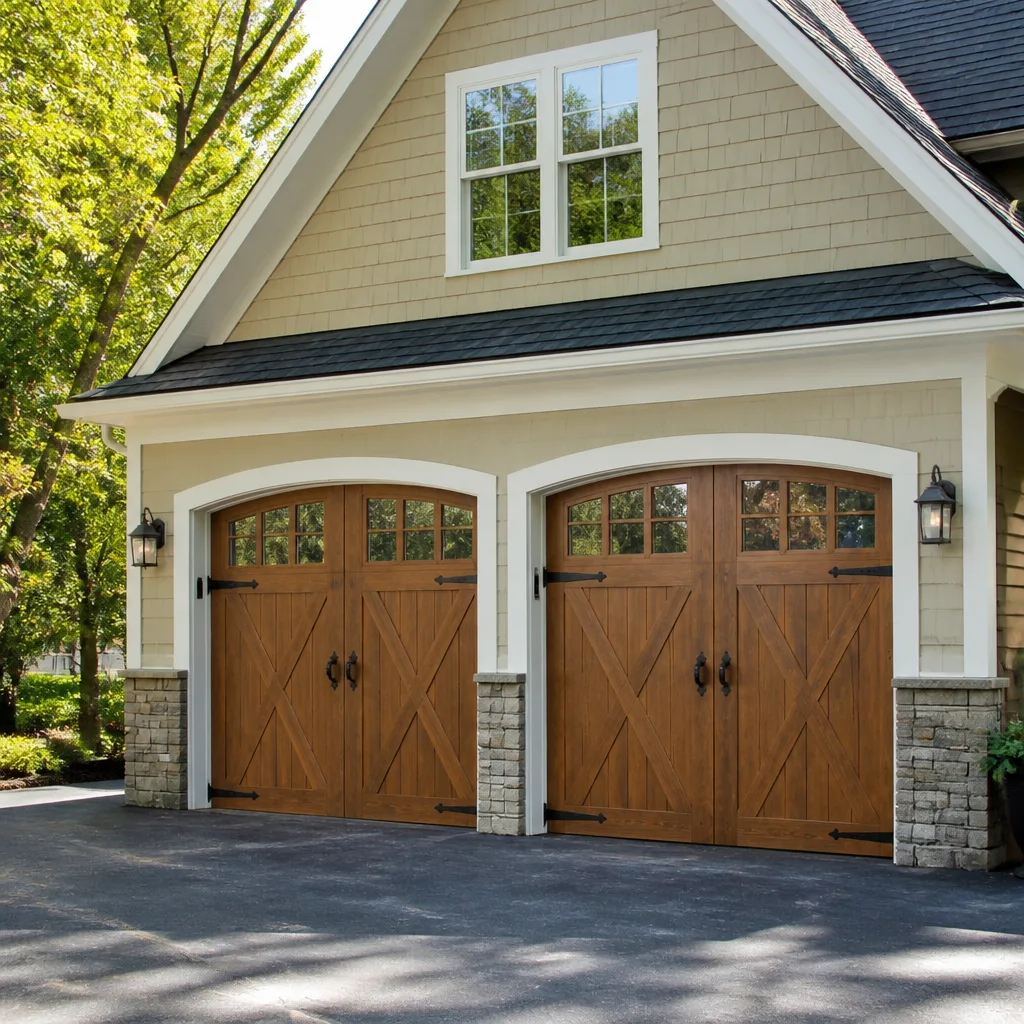 Carriage house
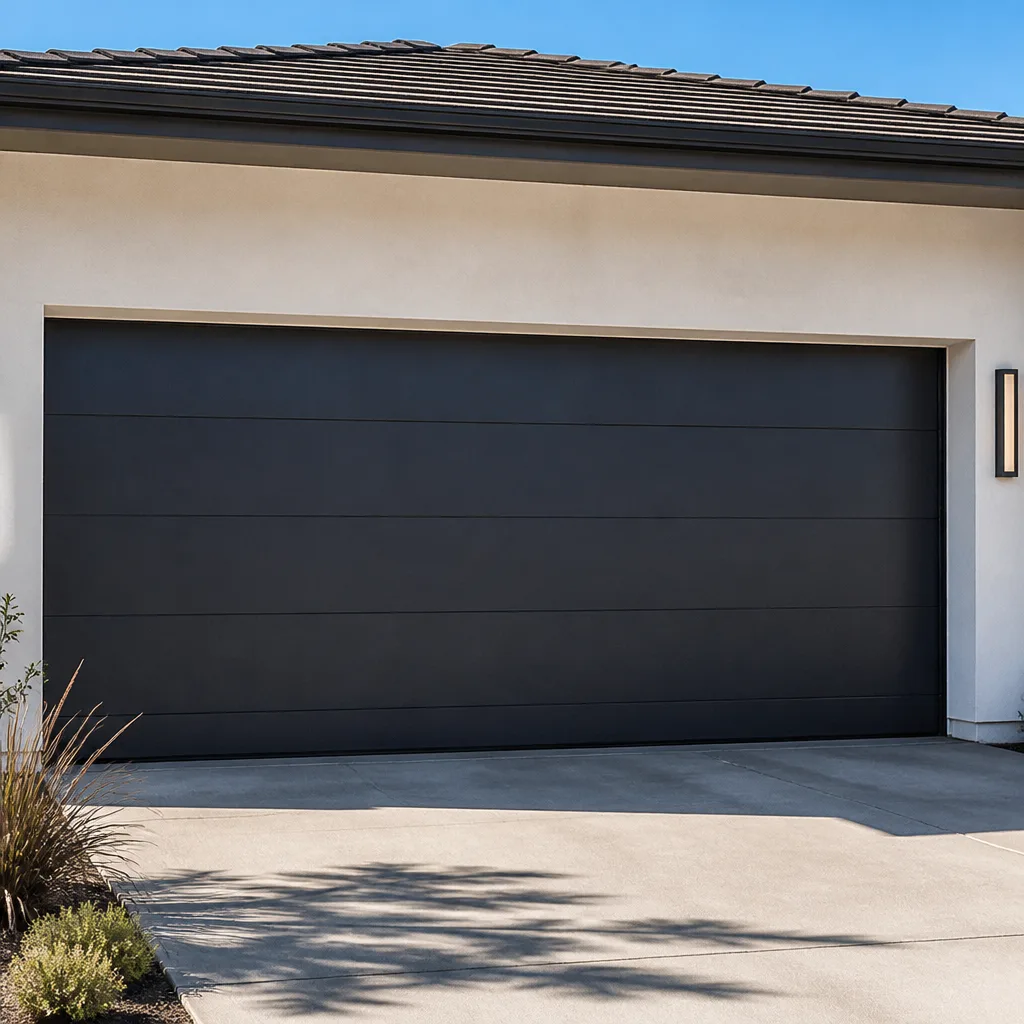 Modern flush
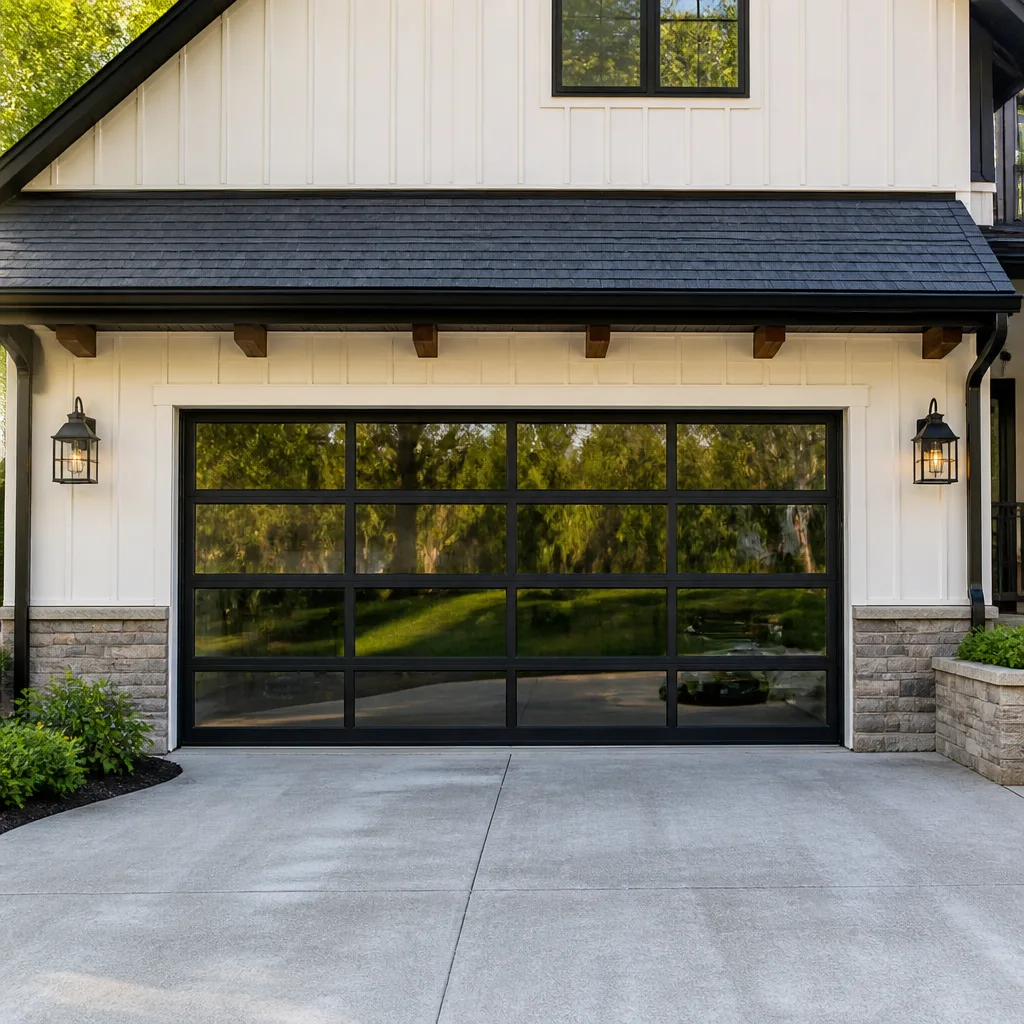 Full-view glass
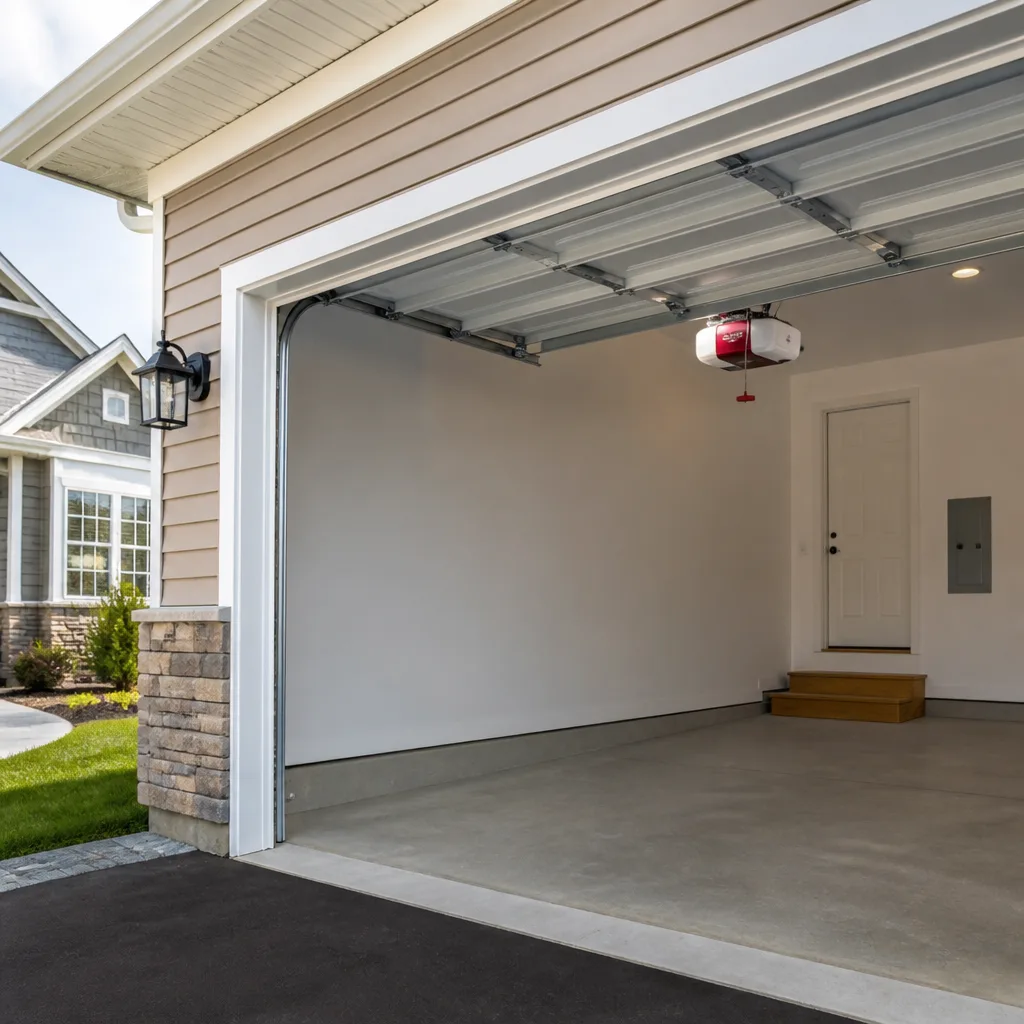 LiftMaster openers
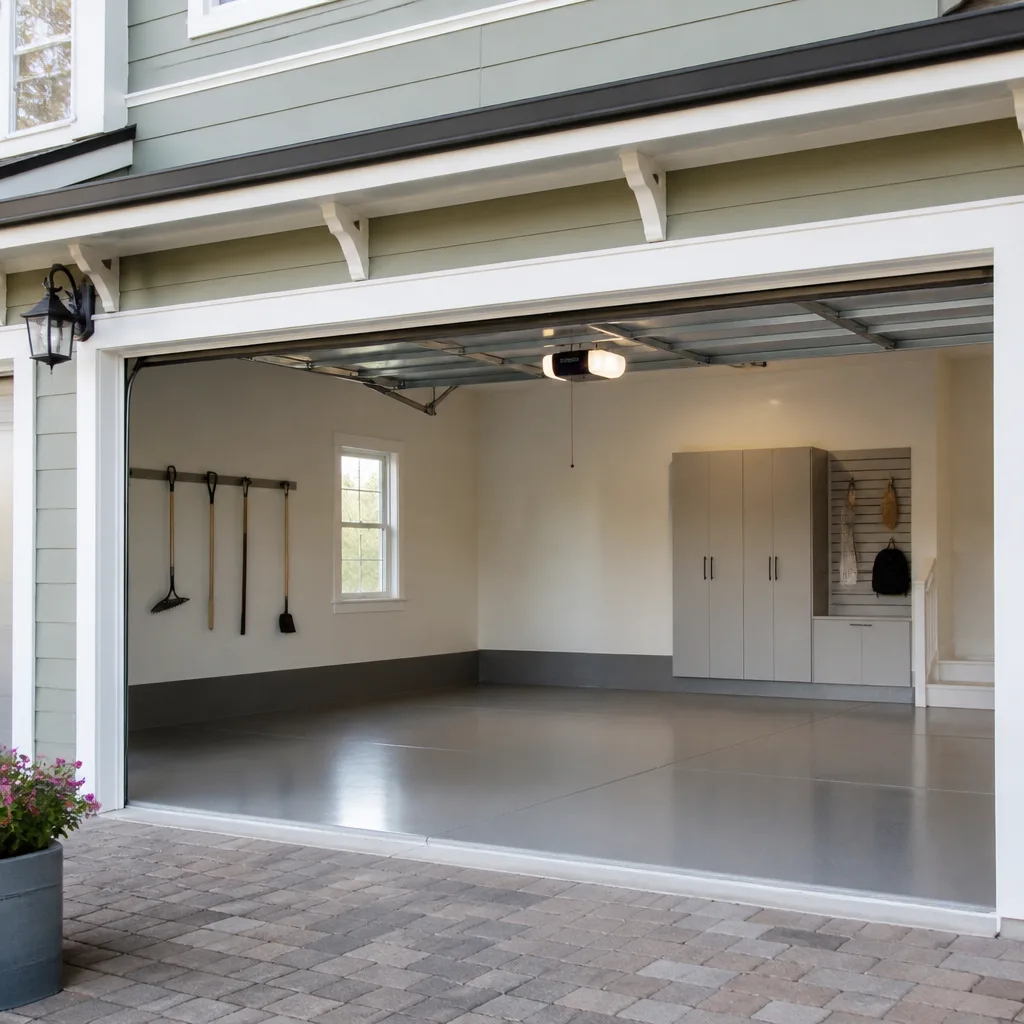 Chamberlain openers
Full 25-point door and opener safety check with every visit - springs, cables, rollers, tracks, and your LiftMaster or Chamberlain opener included
You get a price before we start. It does not change when the pro arrives.
Get your free estimateDIY vs Professional Garage Door: The Holyoke Homeowner’s Decision Guide
Most homeowners assume garage door repair is one decision: can I fix it, or do I call someone? That framing misses the point. The real question is which jobs reward patience and a socket set, and which jobs carry a risk of injury that grows the less experience you have. A torsion spring, a loaded cable, a track under tension – these aren’t difficult in the way a stuck bolt is difficult. They’re dangerous in a way that doesn’t care how careful you are. This guide draws that line for Holyoke homeowners so you don’t pay for work you could safely do, and don’t attempt work that can hurt you.
Quick Answer
A competent DIYer can safely handle opener programming, sensor alignment, weatherstripping, roller replacement and minor panel dent repair. Torsion spring replacement, cable replacement, track realignment under load and header structural work should go to a professional, no matter your skill level. In Holyoke, professional spring replacement typically runs $200-$280 per spring, and the written estimate sets the final price.
Styles & brands we work with
- Raised-panel steel
- Carriage house
- Modern flush
- Full-view glass
- LiftMaster openers
- Chamberlain openers
Table of Contents
- Where the Safe Line Falls
- What a Competent DIYer Can Safely Handle
- What Requires a Professional Regardless of Skill
- What a DIY Spring Repair Gone Wrong Actually Costs
- The Tools Real DIY Garage Door Work Requires
- How to Verify a DIY Repair Is Done Correctly
- Holyoke Climate and Housing and Your Garage Door
- When the Door Fails and You Can’t Wait
Where the Safe Line Falls
Garage door work splits cleanly into two categories, and the split has nothing to do with how mechanically inclined you are. It’s about stored energy. Torsion springs and the cables they tension hold a force that balances a door weighing well over a hundred pounds. When that energy releases uncontrolled, it hurts people. A spring that snaps while a homeowner is winding it can break a wrist or take out an eye. That’s not a scare tactic, it’s the reason garage door-related injuries send thousands of people to emergency rooms around the country every year.
The other category of work involves no stored energy you can’t see. Programming a remote, replacing a bottom seal, swapping a worn roller, straightening a bent sensor bracket – these are tasks where the worst outcome is a door that still doesn’t work and an hour you won’t get back.
So the decision isn’t “am I handy enough.” It’s “does this task put me in front of stored force that releases fast.”
[Quick Answer callout]: The test is simple: if the task involves springs, cables or a track under load, it’s professional work. Everything else is a judgement call.
We work on garage doors across Holyoke every week. The jobs homeowners start and finish themselves tend to be the light ones. The jobs they start and regret are almost always spring work. Our technicians have up to 11 years of experience, and even the most seasoned among them treat torsion springs with a healthy respect. In our experience, that respect is the difference between a working door and an injured homeowner.
What a Competent DIYer Can Safely Handle
Several maintenance and repair jobs genuinely belong in the capable-DIYer column. Here’s the explicit list, with what each one actually takes.
- Opener programming. Syncing remotes and keypads to a LiftMaster, Chamberlain, Genie or Craftsman opener is a button sequence on the motor housing. Most units have a learn button and an instruction sticker right on the back. If you’ve lost the manual, the model number on the housing tells you everything.
- Sensor alignment. The two photo-eye sensors near the floor should face each other and show a steady light. A bumped bracket usually fixes with a few degrees of adjustment and a screwdriver.
- Weatherstripping and bottom seals. A bottom seal that’s cracked or flattened lets in drafts and water. It slides out of its retainer and a new one slides back in. This is one of the highest value-per-effort fixes a Holyoke homeowner can make.
- Roller replacement. Nylon rollers wear and get noisy. Replacing them one at a time, with the door closed and the opener disconnected, is well within reach.
- Minor panel dent repair. Small dents in a steel Clopay or Wayne Dalton panel can sometimes be eased out with a suction tool or heat and pressure. Cosmetic only.
The common thread: none of these put you near a wound spring or a cable holding tension. If the job requires you to release or re-tension anything, it just left this list. We’re happy to talk a Holyoke homeowner through any of these over the phone before you start – a two-minute conversation often saves two hours of guessing.
What Requires a Professional Regardless of Skill
These jobs sit on the other side of the line. It doesn’t matter how careful you are or how many tutorials you’ve watched – the risk scales with inexperience, and the failure mode is physical harm.
- Torsion spring replacement. Winding and unwinding a torsion spring requires the right winding bars and the knowledge to keep your body out of the release path. This is the job most worth handing off. See garage door spring repair for what a proper replacement involves.
- Cable replacement. Cables carry the full tension of the door. A cable that slips its drum under load can whip across the garage. Only trained hands should touch them.
- Track realignment under load. A door off its track can be coaxed back in some cases, but any adjustment while the door hangs on a loaded track risks a sudden drop.
- Header and structural work. If the wood above the door has rotted or pulled loose, the whole door assembly is only as sound as the framing holding it. This is structural, not mechanical.
Extension springs (the kind that run alongside the track) carry their own risk, and a snapped extension spring can flail with force. The safety rules for those are just as strict. If you’re not sure which spring type your door has, that’s a good sign to call. Our garage door repair service covers all of this, and we diagnose the system before recommending a fix.
What a DIY Spring Repair Gone Wrong Actually Costs
This is where the math usually ends the argument. A professional spring replacement in Holyoke typically runs $200-$280 per spring. Matched pairs are usually replaced together, so a pair comes in around twice that. That’s the number to hold in your head while reading the rest.
A DIY spring attempt that goes wrong tends to cost more than the repair itself. Here’s the realistic range of outcomes, none of them worth the savings:
- Injury. A wound spring that releases can break a wrist, cut a hand or hit an eye. Emergency room costs dwarf a spring replacement many times over, and the injury itself is the bigger loss.
- Bent or damaged door sections. A door that drops unevenly when the spring lets go can bend a panel out of shape. That turns a spring job into a door section replacement.
- Opener damage. Running an opener on a door with an improperly tensioned spring can burn out the motor or strip the gear. Replacing a Genie or LiftMaster logic board is its own bill.
- A second call anyway. Most failed DIY attempts end with a professional finishing the job, so you pay twice.
Every price we quote is written and agreed before any work starts. You’ll know the number before a technician touches the door, and the written estimate sets the final price. Call (866) 369-5561 for a free estimate – it’s a five-minute conversation that can save you a hospital visit.
The Tools Real DIY Garage Door Work Requires
Video tutorials tend to assume you own a workshop. The honest tool list for legitimate DIY garage door work is shorter than you’d expect – but it’s specific, and missing the right piece is how a small job turns into a stripped bolt or a bent bracket.
For the safe-DIY jobs, you’ll want:
- A socket and wrench set that covers the common bolt sizes on your door hardware
- A screwdriver set, both Phillips and flathead
- A pair of locking pliers
- A step ladder tall enough to reach the opener housing
- A level for checking sensor brackets square
- Work gloves
For the jobs that need a professional, the tool list includes something most homeowners don’t own and shouldn’t buy: properly sized winding bars, and the training to use them with your body clear of the spring’s travel path. A winding bar in untrained hands is more of a hazard than a help. Skipping the purchase and calling a pro is the correct call every time.
One note on the tools you already have: a cordless drill with a socket adapter speeds up roller swaps and bracket adjustments. Skip the impact driver for anything near the springs. If you’re not sure a tool is safe for a job, that’s the moment to stop.
How to Verify a DIY Repair Is Done Correctly
If you’ve finished a safe DIY repair, or if you’re unsure whether a door you inherited is set up right, three tests confirm whether the door is safe to use. Run all three before you trust it with a car underneath.
- The balance test. Disconnect the opener (pull the release cord), lift the door halfway and let go. A properly balanced door stays put. If it drops or rises on its own, the spring tension or cable length is off.
- The travel limit test. Open and close the door fully and watch where it stops. The door should reach the floor without crushing it and open fully without straining at the top. Adjust the limit screws on the opener only if the door stops short or over-travels.
- The auto-reverse test. This is the safety test that matters most. Place a small board or a roll of paper towels on the floor in the door’s path and close it. The door should contact the object and reverse immediately. The door should also reverse when the photo-eye beam is broken. If either fails, do not use the door until it’s fixed.
If any of these tests fail and you’re not sure why, it’s a sign to get eyes on the system. A door that fails the auto-reverse test is a door that could crush a child or a pet. We’ve seen plenty of Holyoke doors that failed one of these three and the homeowner had no idea. A free estimate from garage door opener repair will confirm whether the problem is the opener, the spring or the door itself.
Holyoke Climate and Housing and Your Garage Door
Holyoke sits in the Connecticut River valley, and the valley does something specific to garage doors: it swings hard between wet, freezing winters and humid summers. That cycle stresses the parts that move. Steel expands and contracts, wood absorbs and releases moisture, and any gap in your weatherstripping lets in water that finds the seams.
On a Holyoke door, the parts that show the wear earliest are:
- Bottom seals. Repeated freeze-thaw flattens and cracks them faster than in a milder climate. This is the highest-return DIY fix in town.
- Rollers. Cold stiffens nylon rollers, and grit from winter road spray grinds them down. Rollers are a safe DIY swap.
- Springs. Torsion springs cycle more in a climate that forces the door open and shut through real seasons. The average service life shortens. This is the part to replace with a pro.
Holyoke’s housing stock is also varied – older homes with wood-frame garage openings sit alongside newer construction with steel doors from Clopay and Amarr. On older doors, the wood header above the opening is worth a look every couple of years. Rot there weakens the whole system, and that’s a structural job for a professional.
When the Door Fails and You Can’t Wait
Some failures don’t give you the luxury of planning. A snapped spring at 8pm with a car stuck inside is a real problem, and a door hanging off its track can be a security issue until it’s fixed. That’s why we treat emergency garage door service as a core part of what we do, not an upsell.
If your door fails, here’s the honest path:
- Don’t force it. A stuck or off-track door that you yank on can drop or damage more sections. Leave it.
- Disconnect the opener if you can’t move the door. That prevents the motor from straining against a jammed door.
- Call us. We answer 24/7. A call outside dispatch hours is booked into the next opening, Sunday through Friday, 7am to 7pm.
For an emergency, we send fast dispatch from 7am to 7pm, Sunday through Friday. Same-day service is often possible when you call in the morning. We’re a Holyoke garage door specialist, and we handle springs, openers, panels and full installs, so you’re not handed off to another contractor mid-repair. Our garage door opener service and spring work sit under one company.
Common Mistakes to Avoid
- Trying to wind a torsion spring with bar stock or a screwdriver. The wrong tool slips out of the winding cone under load. Use winding bars and a trained technician, or don’t touch it. The few dollars saved on the right tool can cost you a hand.
- Ignoring the auto-reverse test after a DIY fix. A door that closes on an object without reversing is a hazard. Test it every time you adjust a limit or sensor. Many Holyoke homeowners never test it at all.
- Running the opener with a broken spring. The motor works overtime trying to lift a door the spring used to balance. That’s how Genie and Chamberlain logic boards and gears get destroyed. Stop using the door until the spring is replaced.
- Buying a new opener when the problem is the door. If the door is heavy because a spring is weak, a new opener will fail too. Diagnose the door first, then the opener.
- Patching a rotten header with a new bracket. The bracket is only as strong as the wood behind it. Header rot is a structural fix, not a hardware swap.
- Forcing a door back on its track by hand. A door under spring load can drop when it comes off the track. That’s a professional’s job, and the risk scales with inexperience.
- Replacing one spring of a matched pair. A pair wears together. Replacing one leaves the door unbalanced and the older spring likely to fail soon after. Pairs are usually replaced together, and the price reflects that.
See the difference
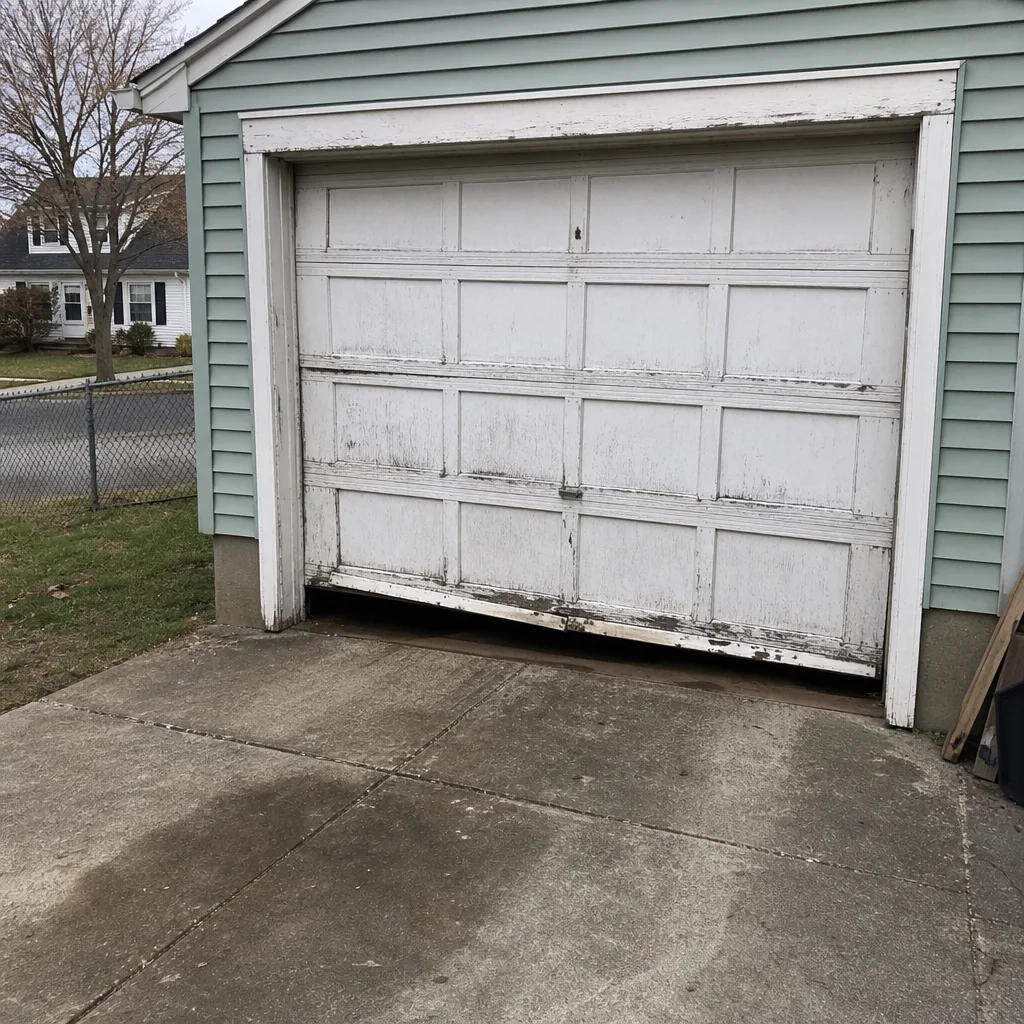 Before
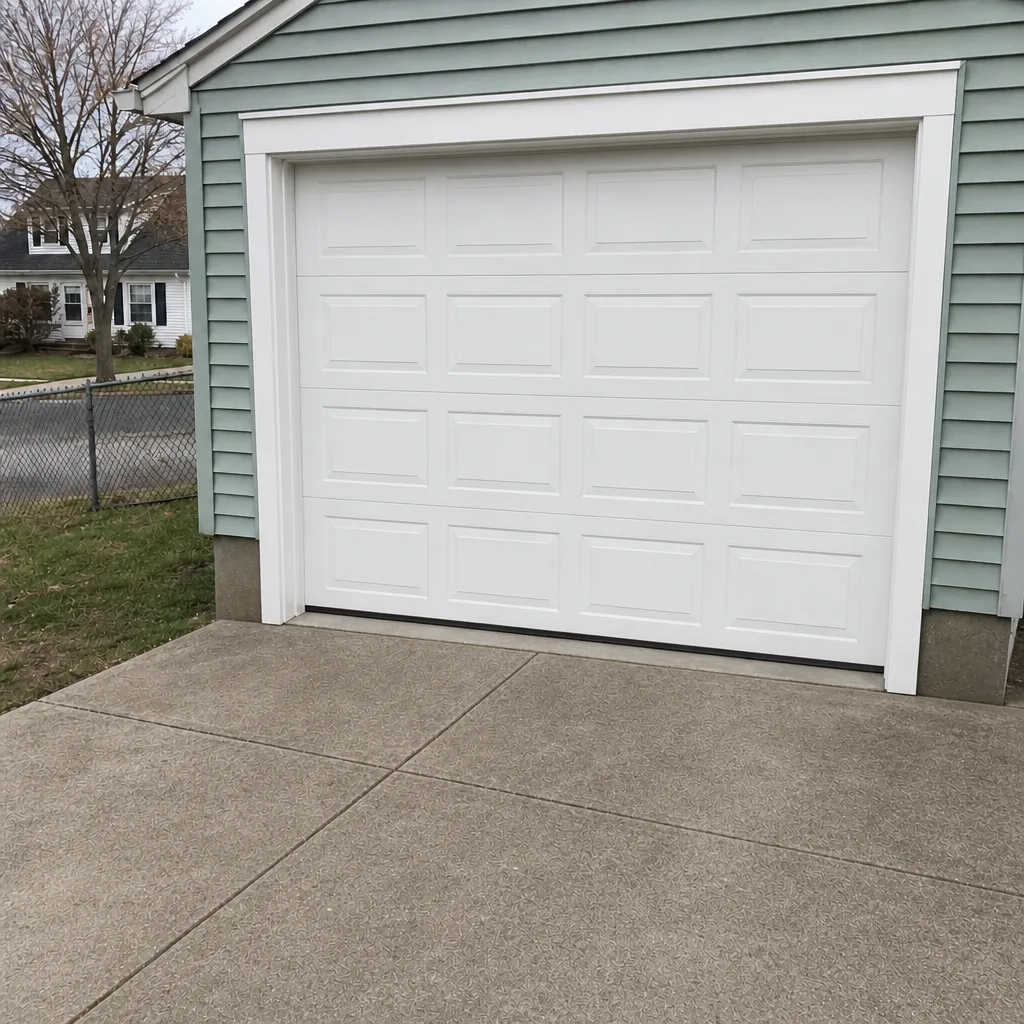 After
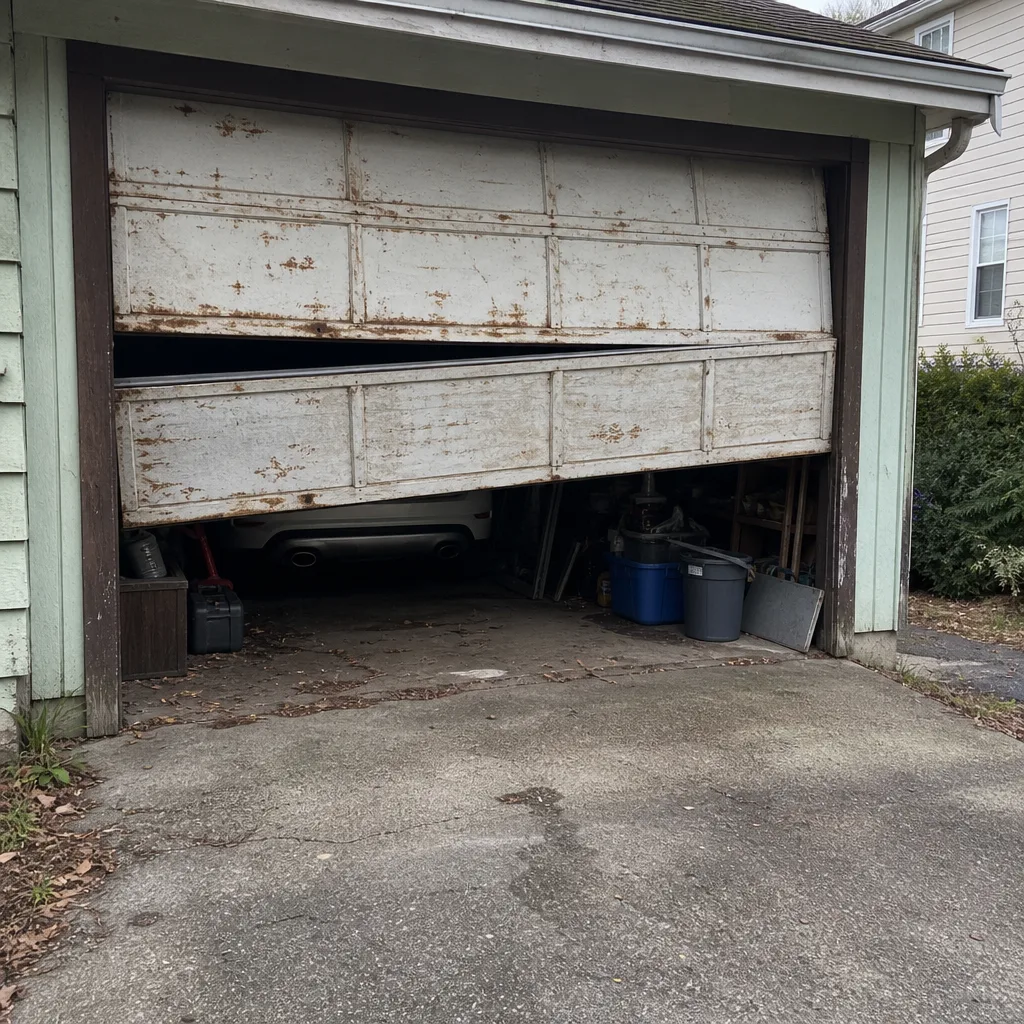 Before
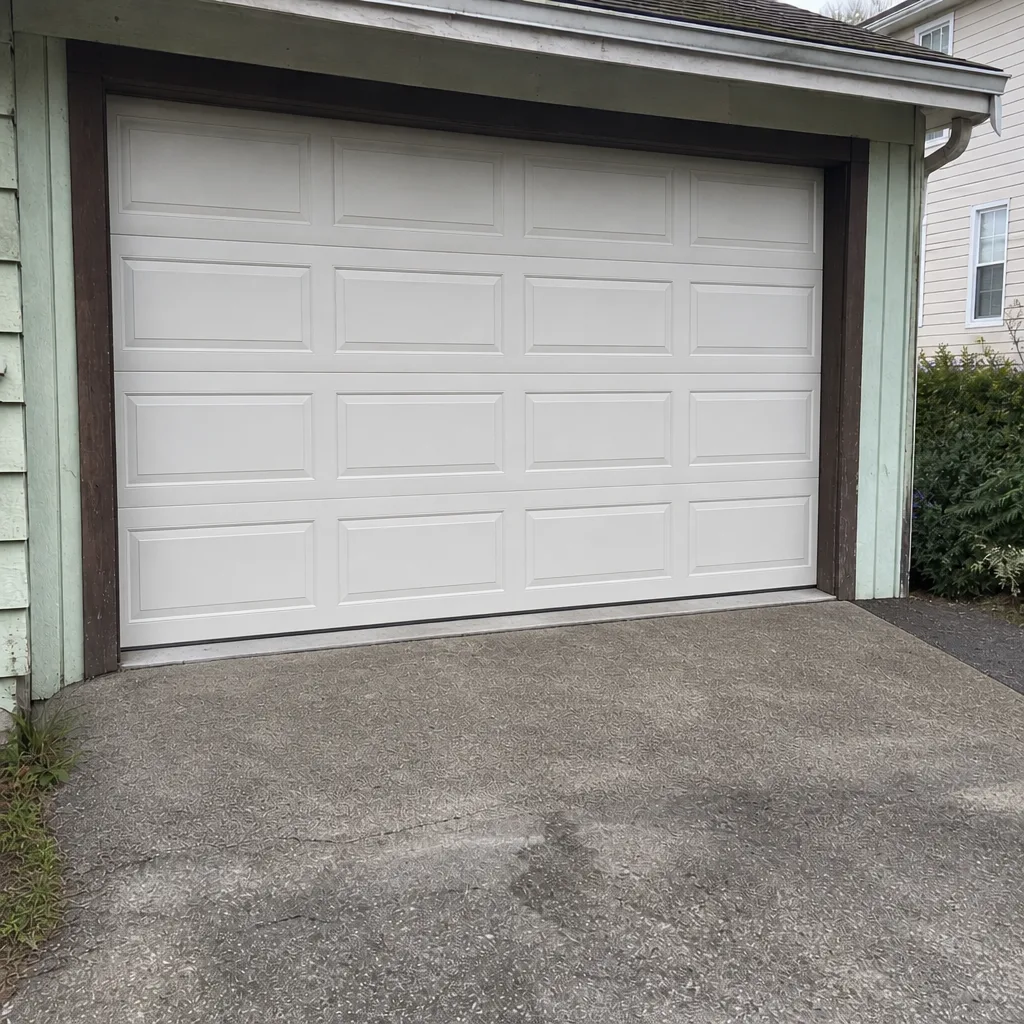 After
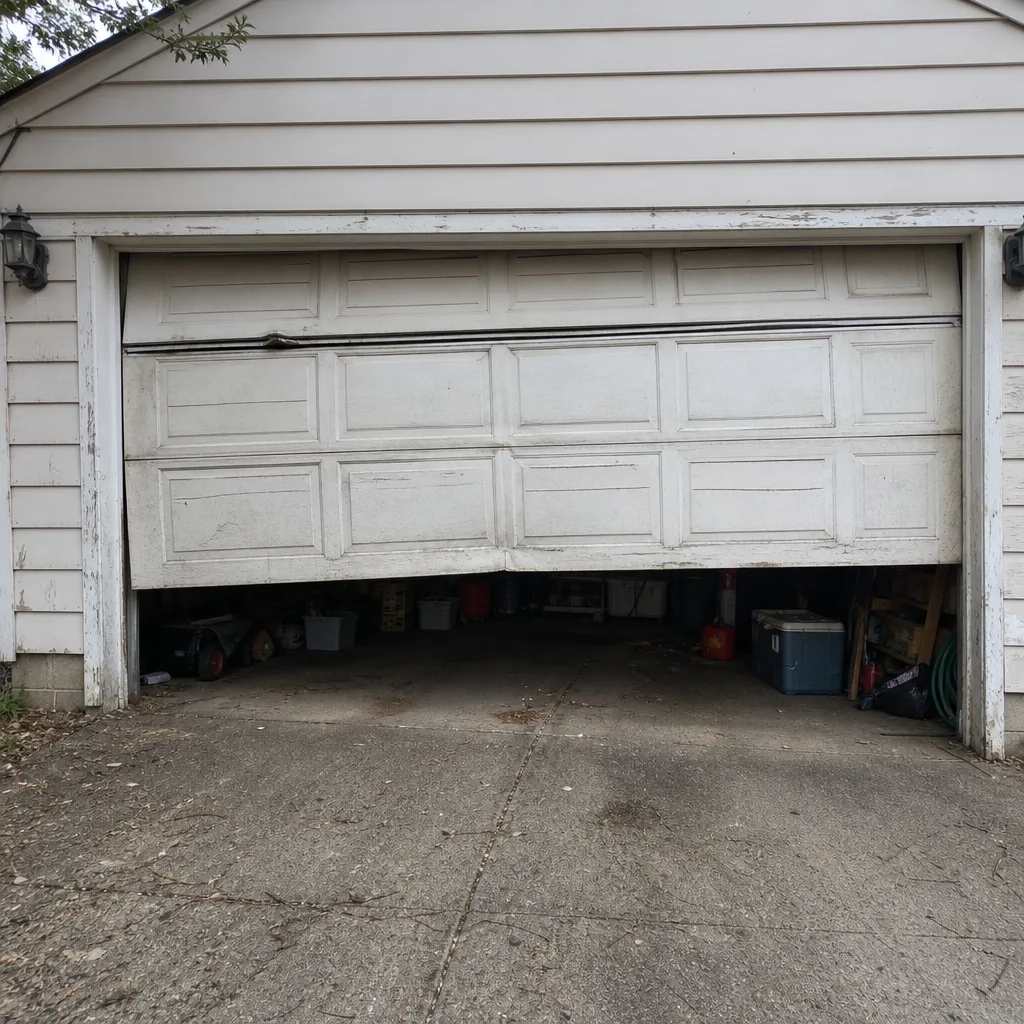 Before
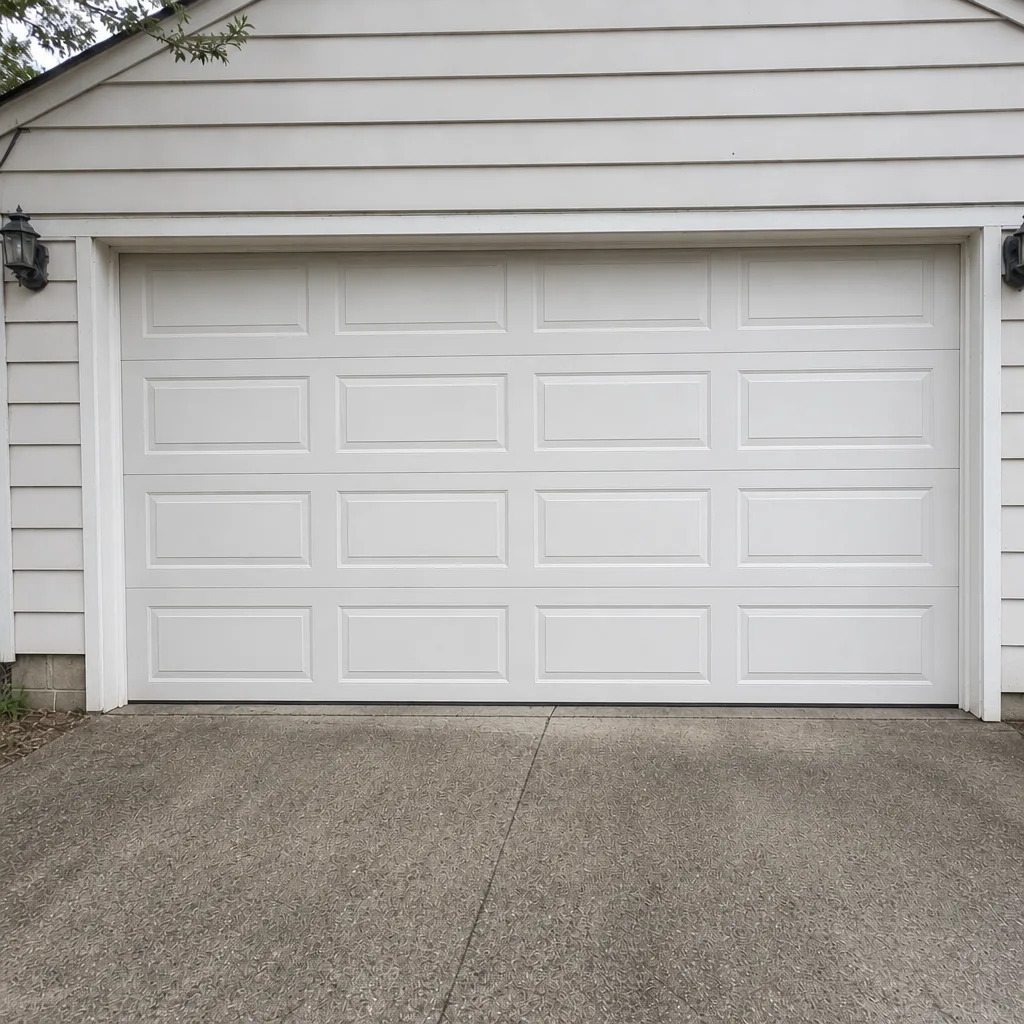 After
When to Call a Professional
Call a professional when the job involves any stored energy you can’t see releasing safely: torsion or extension springs, cables, a track under load, or the header above the door. Call if you’ve finished a DIY repair and any of the three safety tests fail. Call if the door is off its track, if it drops or rises on its own, or if the opener strains or reverses without reason. And call if you’re simply not sure – a free estimate is cheaper than a wrong guess. Holyoke Garage Door Repair offers free estimates in Holyoke and can diagnose the whole system, not just one part. We’re factory-familiar with eight major brands, including Genie, Clopay, Amarr, Wayne Dalton, LiftMaster, Chamberlain, Craftsman and Raynor, so we work on your brand. Call (866) 369-5561. We answer 24/7. Fast dispatch from 7am to 7pm, Sunday through Friday.
Frequently Asked Questions
No, not safely. Torsion spring replacement requires winding bars and the training to keep your body clear of the spring’s release path, and the injury risk is real regardless of skill level. Professional spring replacement in Holyoke typically runs $200-$280 per spring, with a written estimate setting the final price. Call (866) 369-5561 for a free estimate – it’s the safer math by a wide margin.
Yes, for the jobs that involve springs, cables or a loaded track. Those parts store enough energy to break a wrist or cause serious injury when they release unexpectedly, which is why they’re the category we tell every Holyoke homeowner to hand off. The safe-DIY jobs – sensors, seals, rollers, programming – carry no such risk. Call (866) 369-5561 if you’re not sure which category a job falls into.
You can safely handle opener programming, sensor alignment, weatherstripping and bottom seals, roller replacement and minor panel dent repair. None of these put you near a wound spring or a cable holding tension. If a job would require releasing or re-tensioning anything, stop and call. Call (866) 369-5561 for a free estimate on any repair – estimates are free.
Run three tests: the balance test (the door holds halfway when disconnected), the travel limit test (it reaches the floor and top cleanly), and the auto-reverse test (it reverses on contact with an object and when the photo-eye beam is broken). If any fail, don’t use the door until it’s fixed. Call (866) 369-5561 for a free estimate if you’re unsure.
No. The written estimate sets the final price, and you’ll agree to the number before any work starts. We diagnose the door in Holyoke, then quote the repair in writing. No surprise invoice when the job is done. Call (866) 369-5561 for a free estimate.
Yes. The local professionals we connect you with are licensed and insured as their state requires, and they’re trained on all eight major brands we work on. That includes Genie, Clopay, Amarr, Wayne Dalton, LiftMaster, Chamberlain, Craftsman and Raynor. Call (866) 369-5561 for a free estimate – it’s the fastest way to get a real number.
The Bottom Line
The DIY-versus-professional decision isn’t about how handy you are. It’s about whether the job puts you in front of stored energy that releases fast. Handle the light jobs yourself – seals, sensors, rollers, programming, minor dents. Hand off springs, cables, loaded tracks and header work to a trained technician, every time. Professional spring replacement in Holyoke runs about $200-$280 per spring, and the written estimate sets the final price. That’s a small price against an ER bill or a bent door section. Our technicians have up to 11 years of experience, and we’re ready when you’d rather not test your luck.
Call (866) 369-5561 for a free estimate. We answer 24/7. Fast dispatch from 7am to 7pm, Sunday through Friday. We handle springs, openers, panels and full installs across Holyoke, all under one company, so you’re never handed off to someone else.
Written by the team at Holyoke Garage Door Repair.