
Last updated November 23, 2026
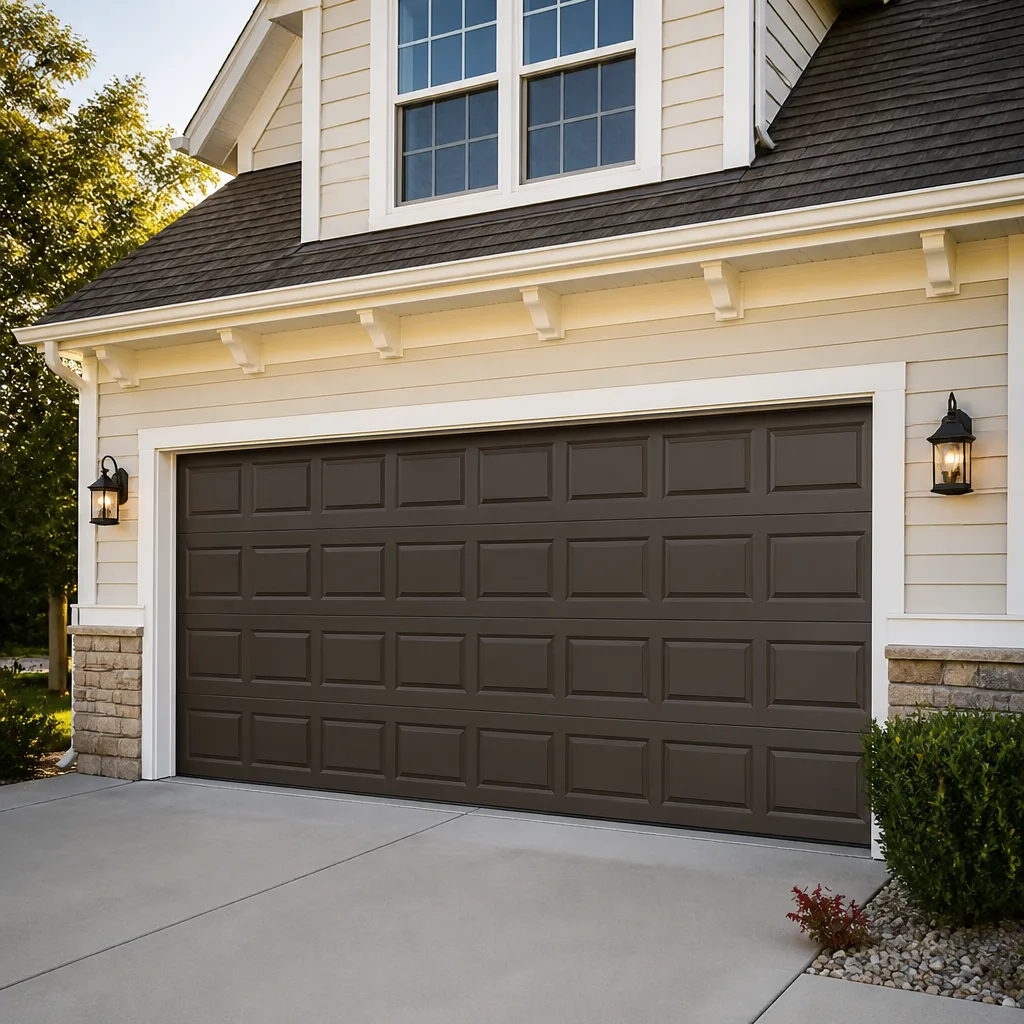 Raised-panel steel
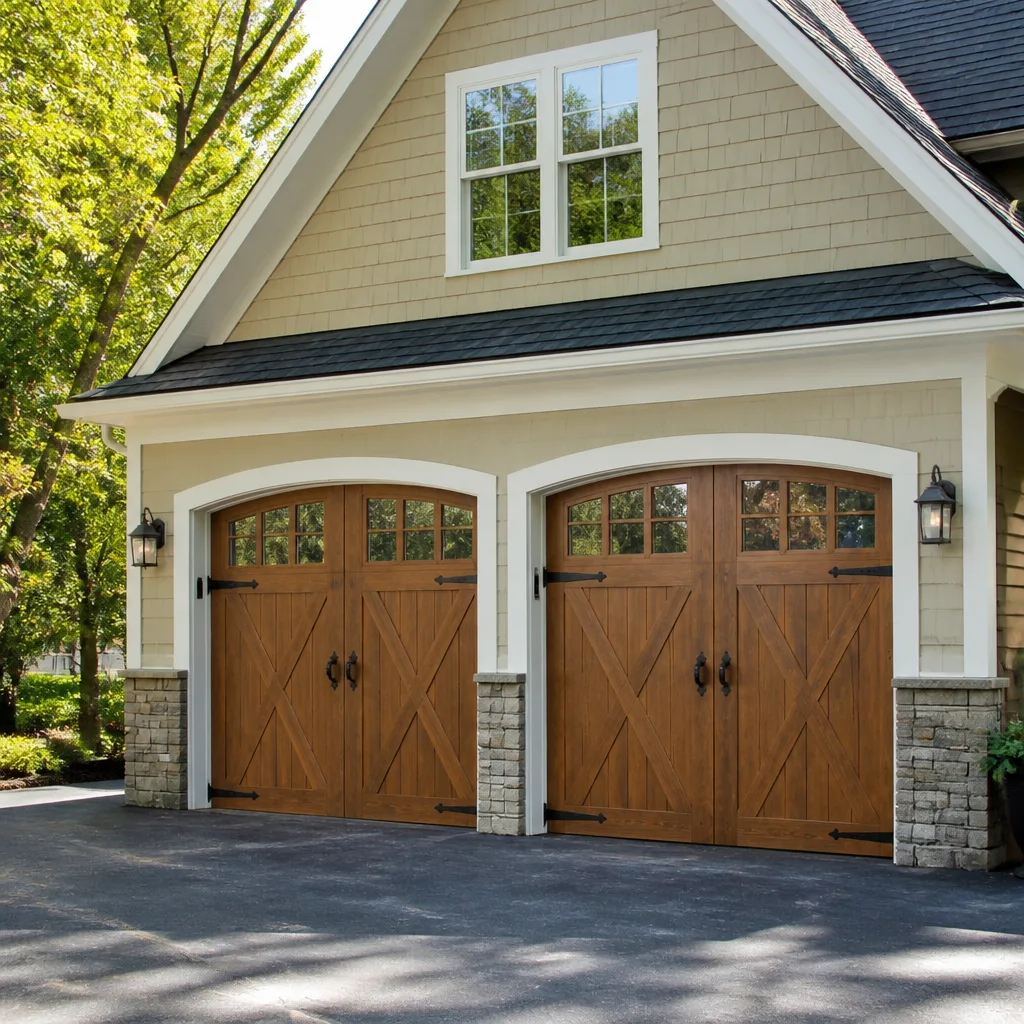 Carriage house
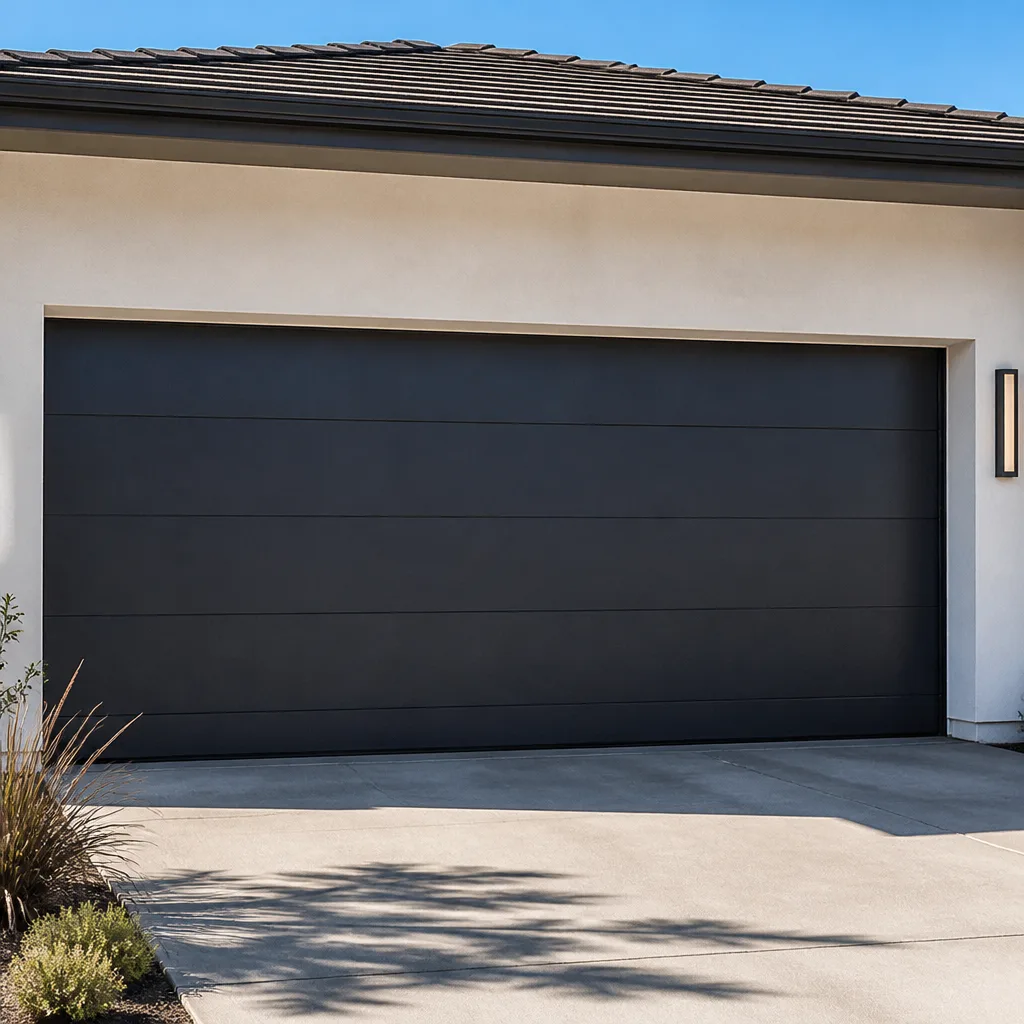 Modern flush
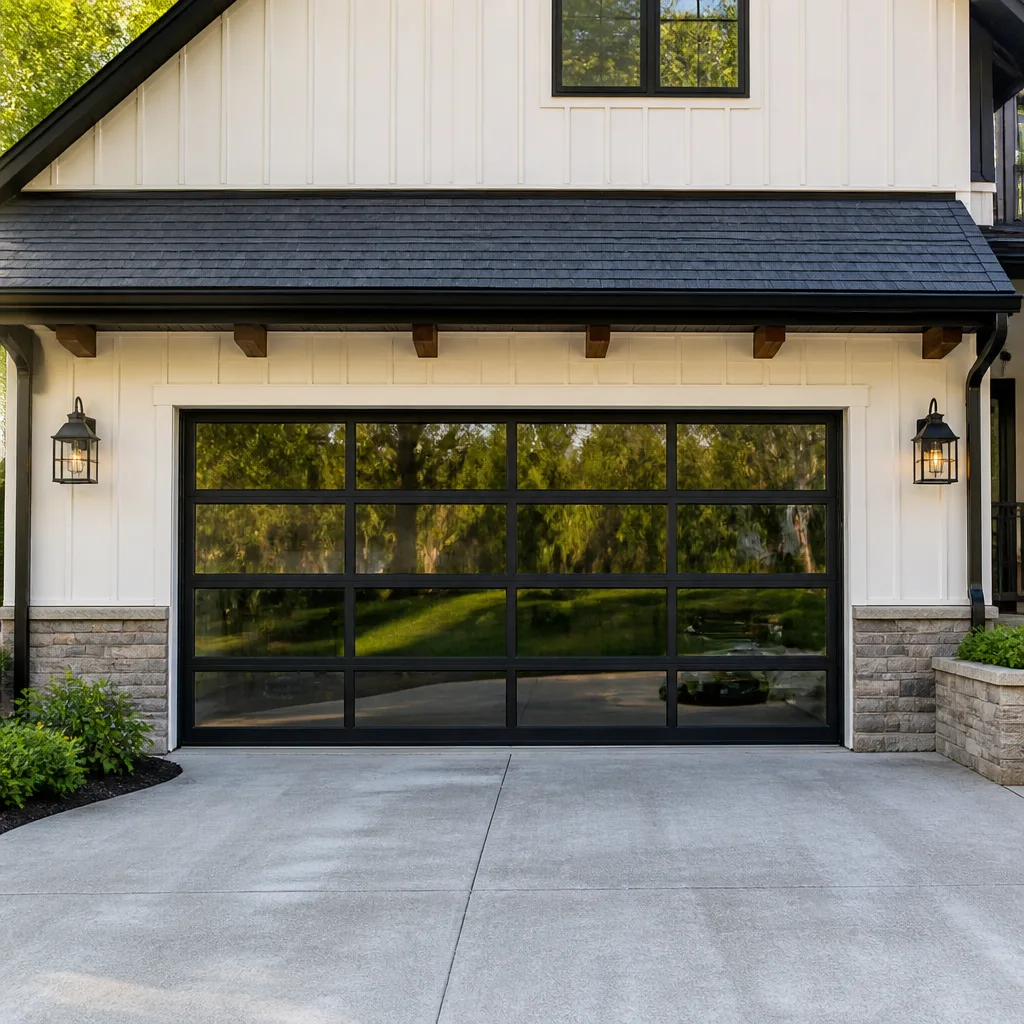 Full-view glass
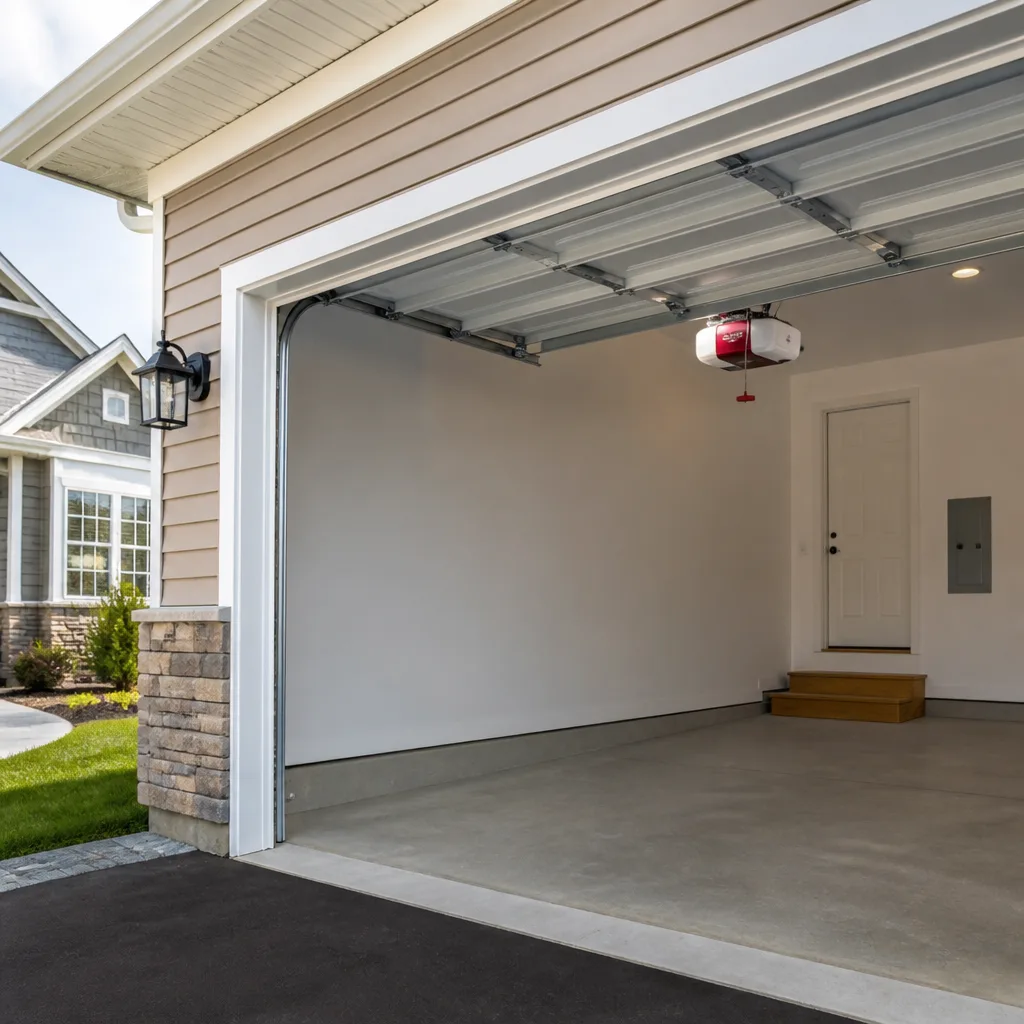 LiftMaster openers
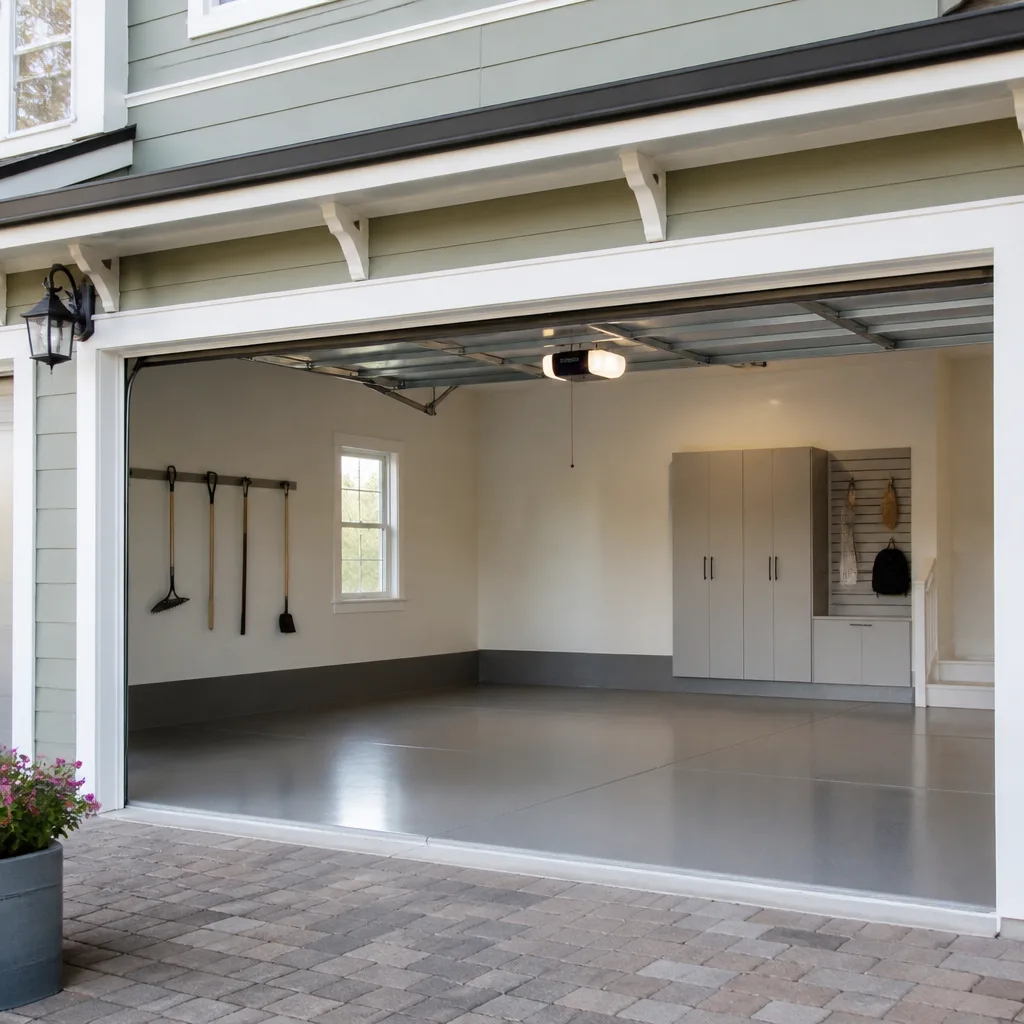 Chamberlain openers
Full 25-point door and opener safety check with every visit - springs, cables, rollers, tracks, and your LiftMaster or Chamberlain opener included
You get a price before we start. It does not change when the pro arrives.
Get your free estimateHow to Hire a Garage Door Contractor in Holyoke: A Step-by-Step Guide
There is no “garage door contractor” license category in Massachusetts. That single fact reshapes how you should vet anyone who quotes a spring replacement or a new door in Holyoke. The credential that actually protects your money and your property is a Home Improvement Contractor (HIC) registration filed with the state, and plenty of people who show up for quotes don’t carry one. This guide gives you four questions that separate a licensed specialist from a handyman with a truck, shows you how to verify a registration in under five minutes, and explains what a good answer to each question sounds like. You’ll finish knowing how to compare quotes line by line instead of guessing at the bottom number.
Quick Answer
To hire a garage door contractor in Holyoke, verify the contractor’s Massachusetts Home Improvement Contractor (HIC) registration and liability insurance through the state’s consumer affairs portal before you sign anything, then ask four questions: which brands they’re factory-familiar with, where their springs and hardware come from, whether the estimate is written and signed, and who honors the warranty. A written, line-itemed estimate with named parts and a signed contract is the standard. Anyone who can’t produce those in a twenty-minute conversation is a risk on a system that holds a door weighing hundreds of pounds under constant tension.
Styles & brands we work with
- Raised-panel steel
- Carriage house
- Modern flush
- Full-view glass
- LiftMaster openers
- Chamberlain openers
Table of Contents
- How do you verify a garage door contractor in Holyoke?
- What are the four questions that separate a specialist from a handyman?
- Why parts sourcing tells you almost everything about a contractor
- Red flags in a garage door quote
- How to compare quotes apples-to-apples
- Why Holyoke housing stock matters for installation
- When to call a professional instead of waiting
- Frequently asked questions
How do you verify a garage door contractor in Holyoke?
You verify a garage door contractor in Holyoke by checking two things through the Massachusetts Office of Consumer Affairs and Business Regulation: a current Home Improvement Contractor (HIC) registration and proof of liability insurance. Both checks take minutes online, and both protect you in ways a handshake doesn’t. The HIC registration is the state’s way of tracking who is legally allowed to do home improvement work over a certain dollar threshold, and it comes with access to the state’s guaranty fund if a project goes wrong. Liability insurance covers damage to your property if something goes sideways during the job.
Here’s the vetting sequence we recommend, in order:
- Ask for the HIC registration number in writing before the estimate, not after. A legitimate contractor provides it without hesitation.
- Look it up on the state consumer affairs portal. Confirm the name matches, the registration is active, and the expiration date hasn’t lapsed.
- Request a certificate of insurance naming liability coverage. Call the insurer’s number on the certificate to confirm the policy is current, not just that a PDF exists.
- Confirm who actually does the work. Ask directly whether the person quoting is the person installing. If a subcontractor shows up, you want to know that before the truck pulls in.
- Get the contract in writing with scope, parts, price, and warranty terms spelled out.
That’s the full check. If a contractor stalls on any step, that’s your answer. In Holyoke, where a lot of older homes have detached or oversized garages that need custom work, the stakes on an unregistered contractor are higher than they look. Replacing a torsion spring or hanging a new Clopay door on a header that wasn’t framed for it can go wrong in ways that cost real money to fix.
What are the four questions that separate a specialist from a handyman?
The four questions that separate a garage door specialist from a general handyman are about brand familiarity, spring sourcing, written estimates, and warranty accountability. Ask them in this order during the estimate visit, and listen for specificity. Vague answers are the tell. A specialist answers these in seconds because the answers are their daily work. A handyman with a truck improvises.
Question 1: Which garage door brands do you work on regularly?
A real specialist can name them without thinking. We’re certified to work on eight major brands: LiftMaster, Chamberlain, Genie, Clopay, Amarr, Wayne Dalton, Craftsman, and Raynor. That matters because each brand has its own opener logic, spring configurations, and panel attachment methods. When a technician already knows the Genie opener logic board on your wall, diagnosis is faster and you don’t pay for on-the-job learning. If a contractor says “we work on everything” but can’t name three brands, they’re guessing.
Question 2: Where do your springs and hardware come from?
Ask which supplier or manufacturer the springs come from. A specialist names a source. A handyman shrugs. Off-brand springs fail faster, and a mismatched spring pair (one new, one old) will shorten the life of both. We’ll come back to this in the parts section because it’s the single most useful signal in the whole vetting process.
Question 3: Is this estimate written, itemized, and signed?
A written estimate should list the parts, the labor, the total, and the warranty. If it’s a number scribbled on a business card or a text message, walk away. An unsigned estimate means no accountability if the final invoice climbs. The written, signed estimate is the price.
Question 4: Who honors the warranty, and for how long?
Manufacturer warranties on doors and openers are handled through the manufacturer, but labor warranties come from the contractor. Ask how long the labor warranty runs and who you call if something fails. If the contractor is a one-person operation with no paper trail and no HIC registration, that warranty is only as good as their willingness to answer the phone six months later.
Why parts sourcing tells you almost everything about a contractor
Parts sourcing tells you almost everything because the springs, cables, rollers, and hinges are where garage door failures actually happen. A contractor who can’t name their spring supplier is likely buying whatever’s cheapest through a general hardware channel, and that shows up two or three years later when the spring snaps again. The torsion spring is the component that does the lifting, and it’s also the component that injures people when it fails or is installed wrong. Quality here is not optional.
What to listen for:
- Named suppliers or manufacturers. A specific source signals a supply chain. “Whatever the supply house has” signals a gamble.
- Matched spring pairs. When one spring on a two-spring door fails, the other is usually at similar wear, so a specialist replaces both. A single-spring quote on a two-spring door is a shortcut.
- Correct spring cycle rating. Standard-cycle springs are cheaper; high-cycle springs last longer. A contractor who explains the choice respects your decision. One who doesn’t mention it is hiding it.
- Genuine opener parts. For opener repair, ask whether replacement boards, gears, and remotes are OEM or aftermarket.
- Consistent brand recommendation. If a contractor pushes one brand every time regardless of your existing door, ask why. The recommendation should fit the door on your house, not the inventory they happen to have.
In Holyoke, we’d add a climate note. The Pioneer Valley swings hard between humid summers and cold winters, and that cycle works on metal, wood, and the seals around a door every year. Cheap hardware fails faster in that environment. The right spring and the right rollers last longer here, and the difference in upfront cost is usually small compared to replacing them twice as often.
Red flags in a garage door quote
A “labor only” price, an unsigned estimate, or a quote that lumps everything into one number are the three biggest red flags. Each one leaves you exposed after the work is done. Labor-only pricing means the contractor isn’t warranting the parts because they didn’t supply them, or they’re planning to surprise you with a separate parts bill. An unsigned estimate is a verbal promise. A single lump-sum quote hides what you’re actually paying for, which makes it impossible to compare against another contractor’s bid.
Watch for these specific signals:
- “Labor only” pricing. You end up sourcing the spring, opener, or door yourself and owning the warranty on it. If it fails, the contractor points at the part and the supplier points at the installer.
- Unsigned estimates. If there’s no signature and no written scope, there’s no accountability when the invoice doesn’t match the number they quoted.
- Lump-sum quotes with no line items. You can’t compare a $1,200 all-in quote to a $950 all-in quote if neither tells you which parts they’re using.
- Urgency pressure without explanation. A legitimately failing spring or a door off its track is urgent. A hard sell on a door that’s operating normally is not.
- No mention of permits when one might apply. Whether a given installation needs a permit depends on the work and your city’s rules, so ask the Holyoke building department directly if your job involves structural changes to the header or opening.
- “We’ll figure out the price when we see it.” That’s the opposite of a written estimate. The price should be set before any work begins, in writing.
We’ve seen quotes that read like a receipt for a completely different job. The customer calls us to compare and can’t tell us what was actually included. That’s not your fault. It’s a sign the first contractor didn’t want the prices compared. Call (866) 369-5561 if you want a written, itemized estimate to stack next to whatever you already have. Estimates are free, and we answer 24/7.
How to compare quotes apples-to-apples
You compare garage door quotes apples-to-apples by forcing every estimate into the same line items: springs, cables, rollers, hinges, labor, disposal, hardware brand, and warranty. Once both quotes have the same categories, comparing is arithmetic instead of guesswork. Without those line items, the cheaper number on paper could easily be the more expensive job in practice.
Use this line-item checklist. Ask every contractor to price out each one of these items separately:
- Springs (with brand and cycle rating). One spring versus a matched pair, and standard versus high cycle.
- Cables. New cables are usually replaced with springs because they wear together.
- Rollers and hinges. These are the small parts that cause noise, wobble, and binding.
- Opener parts (if relevant). OEM versus aftermarket.
- Labor. Broken out from the parts, not buried in a lump sum.
- Disposal. Who hauls away the old door or springs.
- Warranty. Parts and labor, each with a stated duration.
- Permit cost (if one applies). Who pulls it and who pays.
Once the line items match, the cheaper quote tells you which parts they’re skimping on. That’s the comparison you actually want. In our experience, the honest differences show up in the spring brand and the labor warranty, not in the total. Any quote missing these categories should be sent back with a request to itemize. And if you’re comparing a full replacement purchase, the same rule applies: ask for the exact model number (a Clopay or Amarr model number, for example) so you’re pricing identical doors.
Why Holyoke housing stock matters for installation
Holyoke housing stock matters for installation because many homes here were built when garages were framed differently than they are now: shallower headers, tighter clearances, and in some cases openings that have shifted or settled over time. A clean install depends on knowing how a door will hang on the actual opening, not the idealized one. A contractor who’s installed in the Valley before understands the typical header configurations and plans for them. A contractor driving in from elsewhere may not.
Here’s what to look at on your house before the contractor arrives:
- Header depth and condition. The horizontal framing above the opening supports the entire torsion system. Rot, sag, or shallow framing changes the install plan.
- Ceiling height in the garage. Low ceilings can rule out certain lift styles or require a low-headroom torsion setup.
- Side clearance. The distance from the opening edge to the wall determines what track and hardware will fit.
- Whether the floor slopes. An uneven slab affects how the door seals. Older Holyoke garages often have settled floors.
- Whether the existing opener wiring is in place and viable or needs to be replaced.
If your opening needs structural adjustment to accept a new door, the city building department can tell you whether a permit applies. We won’t guess about code requirements. Ask before you buy the door, not after.
For a full installation, the contractor should be measuring the actual opening rather than trusting the nominal size. A quote given over the phone without a measured visit is a guess. A written estimate after a proper measure is a plan. If your opener needs replacement too, the garage door opener repair path and the installation path should live with the same company, so the two don’t get blamed on each other when something goes wrong.
When to call a professional instead of waiting
Call a professional the moment a spring snaps, a cable frays, the door comes off its track, or the opener starts operating erratically. These are not DIY jobs. Torsion springs store an enormous amount of energy, and a spring that lets go while you’re near it can cause serious injury. If your door won’t close or is hanging unevenly, stop cycling it and call.
Same-day repair is available for these situations, and so is emergency response when the door fails outside normal hours. We answer 24/7 and offer fast dispatch from 7am to 7pm, Sunday through Friday. When you call about a broken spring, our team treats it as one of the most mechanical and safety-critical repairs there is. We diagnose the actual failure, recommend the correct replacement, and quote the price before any work starts. For planned work like a full door replacement, the process is measured, ordered, and scheduled with a written price – so you’re not guessing about what shows up on the invoice. If you’re weighing repair against replacement, the dedicated garage door spring repair service covers the safety side, and the general garage door repair service handles tracks, panels, and everything else. Holyoke Garage Door Repair offers free estimates in Holyoke – call (866) 369-5561.
Frequently Asked Questions
Garage door spring repair in Holyoke typically runs $180 – $340 for a single spring, and a matched pair is about twice that, since both springs usually wear together and should be replaced at the same time. The written estimate you receive after the technician looks at the door sets the final price, and you agree to it before any work starts. Call (866) 369-5561 for an exact quote – estimates are free.
Massachusetts doesn’t have a garage-door-specific license category, so the credential that matters is a Home Improvement Contractor (HIC) registration from the state, along with liability insurance. Ask for both in writing and verify them on the state consumer affairs portal. A contractor who can’t produce an HIC number for a job like yours is an unverified risk.
A fair quote is written, itemized with named parts, and signed, with the price agreed before work begins. If the quote is a single lump sum with no labor/parts breakdown, or it’s “labor only” so you supply the springs, it’s not comparable to anything. Get three quotes with identical line items and compare the specific parts, not the totals.
Yes. Same-day repair is available for broken springs, off-track doors, and opener failures, and emergency service covers failures that happen after normal dispatch hours. Call (866) 369-5561 and we’ll book the next opening. Fast dispatch runs from 7am to 7pm, Sunday through Friday.
A specialist should be familiar with the major brands on the market, which for us covers LiftMaster, Chamberlain, Genie, Clopay, Amarr, Wayne Dalton, Craftsman, and Raynor. Familiarity with each brand’s opener logic and spring configurations speeds up diagnosis and reduces guesswork. If a contractor can’t name three brands, keep looking.
The written estimate you agree to before work starts is the price. If the technician finds something the initial quote couldn’t have anticipated, like a hidden cable failure or damaged track, you get a revised estimate and the choice to proceed before anything changes. No surprise invoice. Call (866) 369-5561 to talk through what you’re seeing.
See the difference
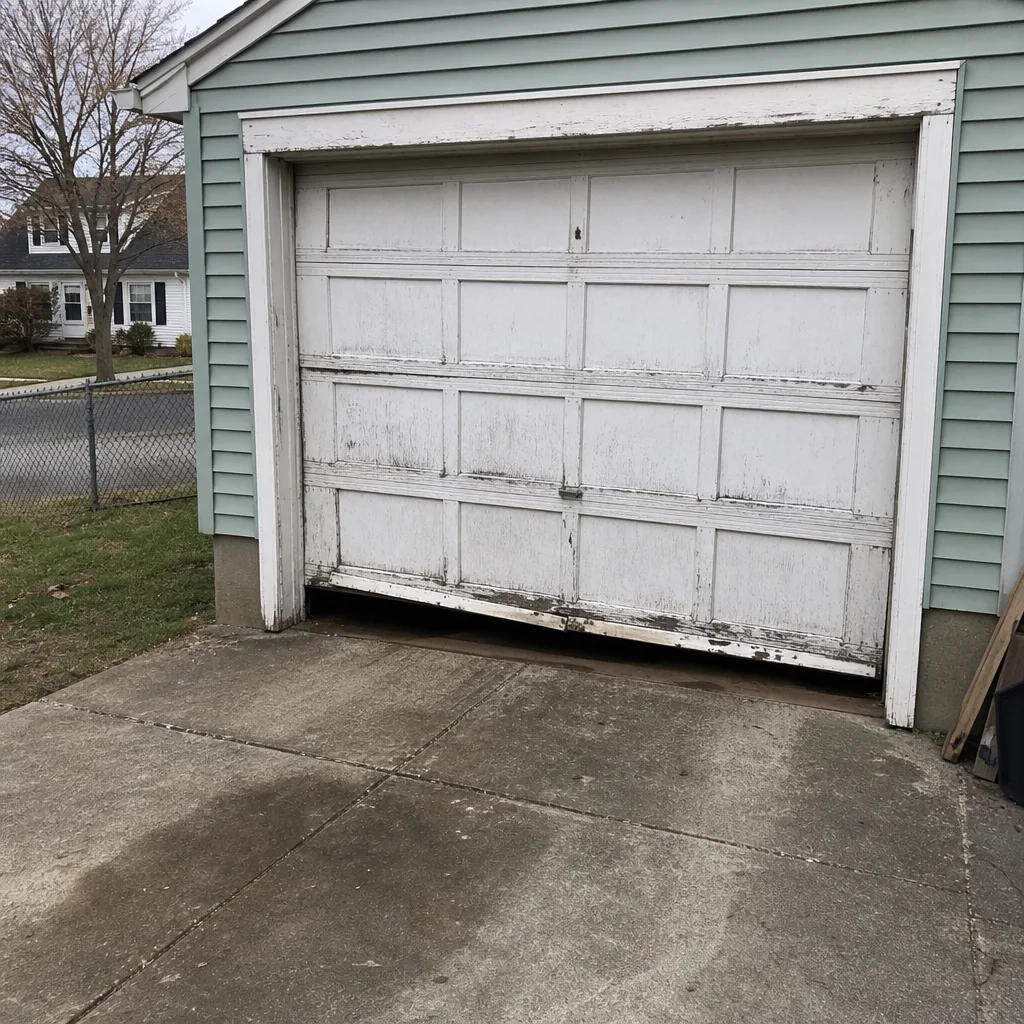 Before
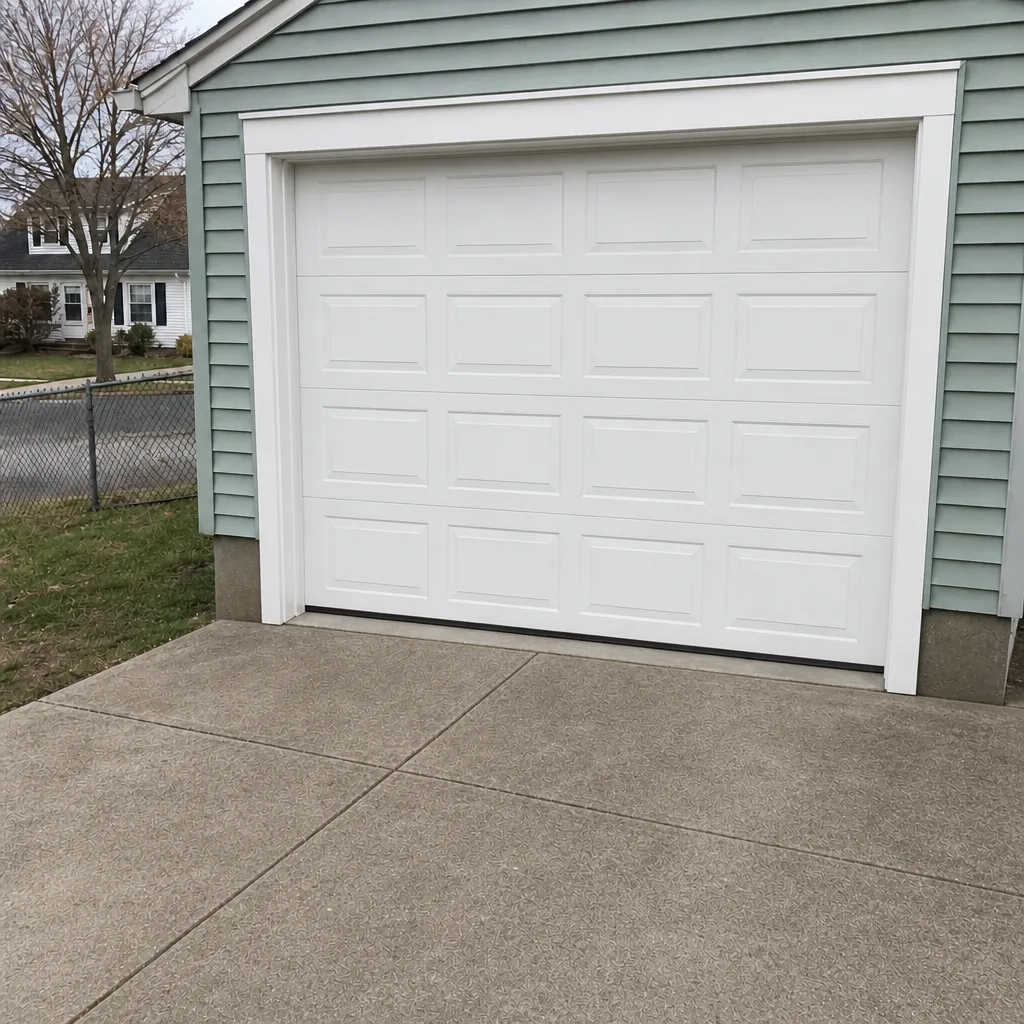 After
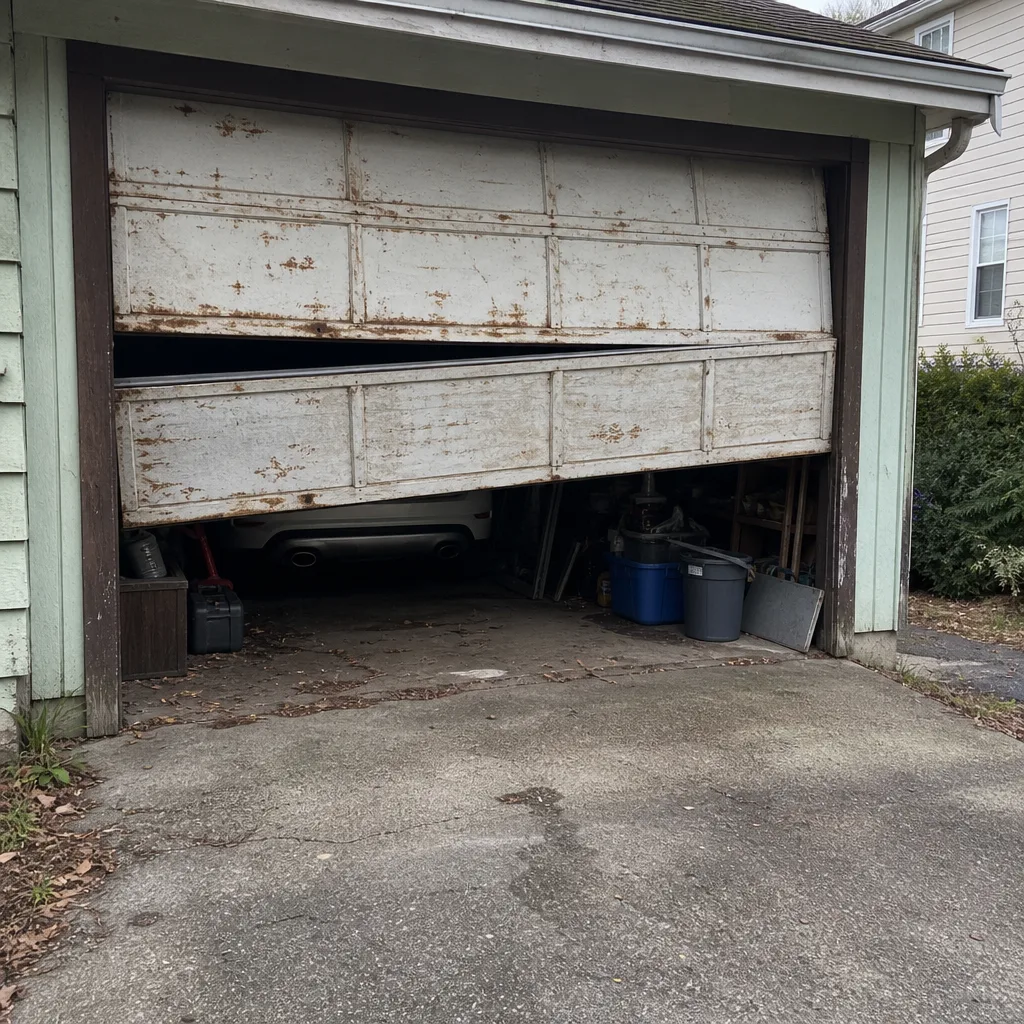 Before
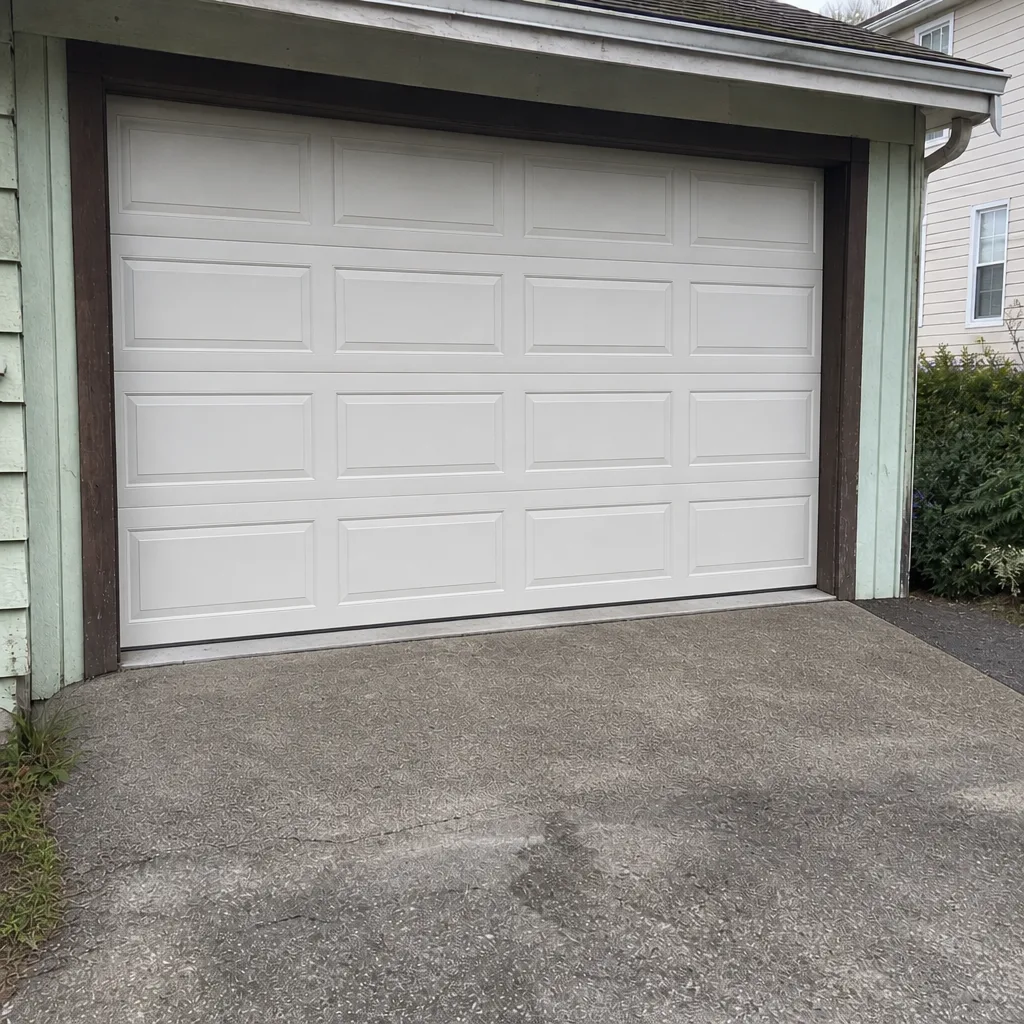 After
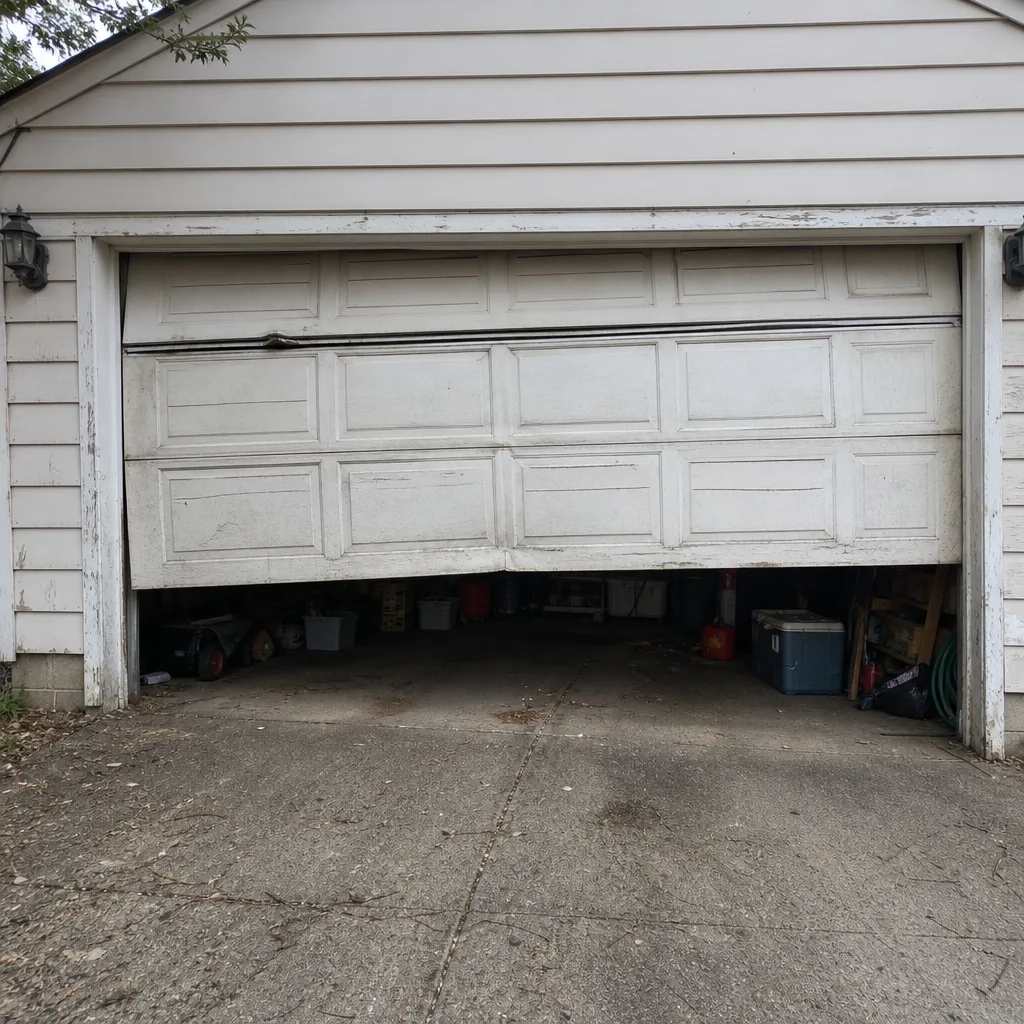 Before
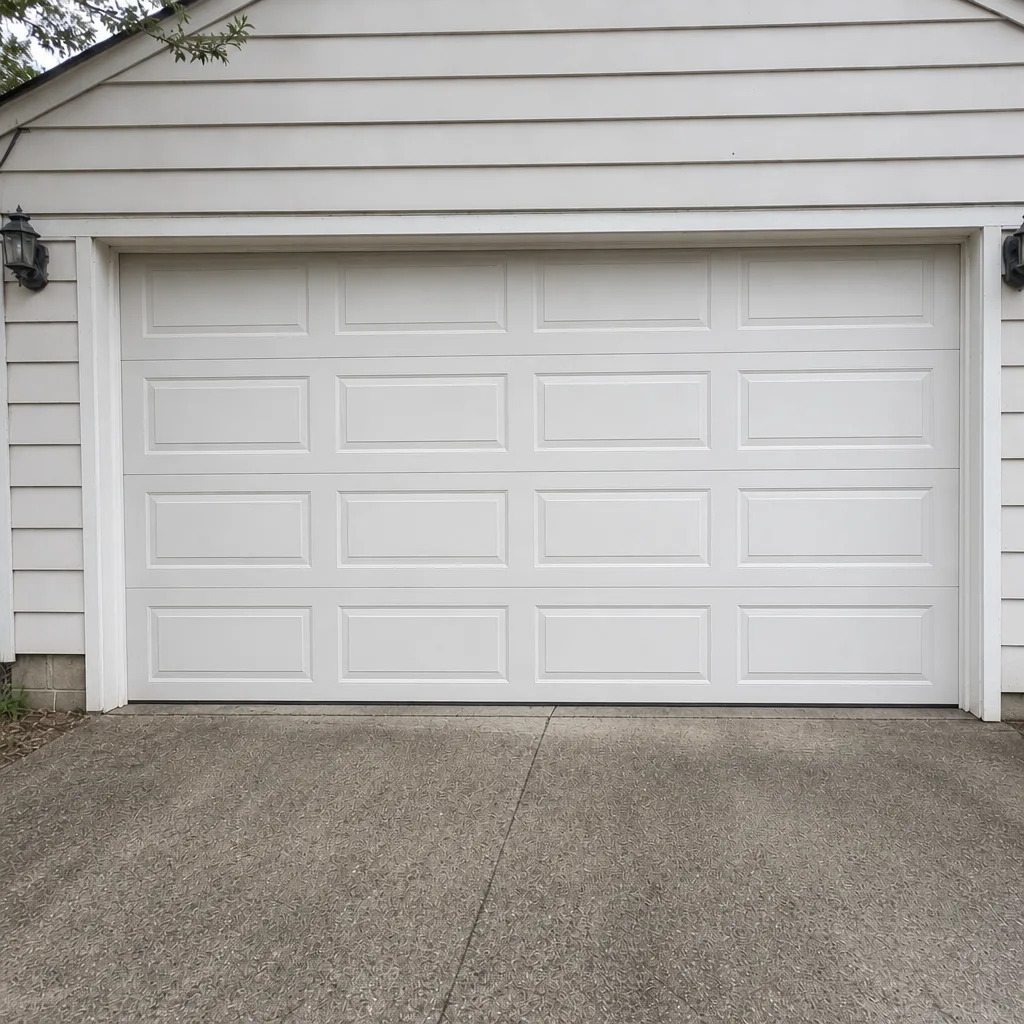 After
Common Mistakes to Avoid
- Hiring without an HIC registration check. In Holyoke, a lot of quotes come from contractors without a state-registered Home Improvement Contractor status, and you won’t know unless you ask for the number and verify it online.
- Accepting “labor only” pricing. It looks cheaper until the spring fails in two years and there’s no parts warranty to fall back on.
- Signing an unsigned estimate. A verbal price isn’t a price. Insist on a written, signed document with scope and warranty spelled out.
- Comparing lump sums instead of line items. Two “$1,000” quotes can cover wildly different parts. Force the breakdown.
- Replacing one spring when both are worn. A matched pair should go in together; a single spring replacement on a two-spring door usually means a second service call within the year.
- Buying a door before the opening is measured. Holyoke’s older garages often need a measured visit, not an over-the-phone size. Order after the measure, never before.
- Trying to DIY a torsion spring or cable job. These are genuinely dangerous. Stop, step outside, and call a trained professional.
The Bottom Line
Hiring a garage door contractor in Holyoke comes down to a short, specific vetting process: verify the HIC registration and liability insurance, ask the four questions about brands, parts sourcing, written estimates, and warranty, and compare quotes line by line. A contractor who answers those questions in seconds, names their suppliers, and hands you a signed, itemized estimate is the right call. One who stalls or pushes a lump sum is the risk. Our own technicians have up to 11 years of experience, work on LiftMaster, Genie, Clopay, Amarr, and other major brands, and offer free estimates in Holyoke. If you’d rather start with a phone call than a search, Holyoke Garage Door Repair is one number away from a written price.
Call (866) 369-5561 for a free estimate. We answer 24/7. Fast dispatch from 7am to 7pm, Sunday through Friday.
Written by the team at Holyoke Garage Door Repair.