
Last updated November 23, 2026
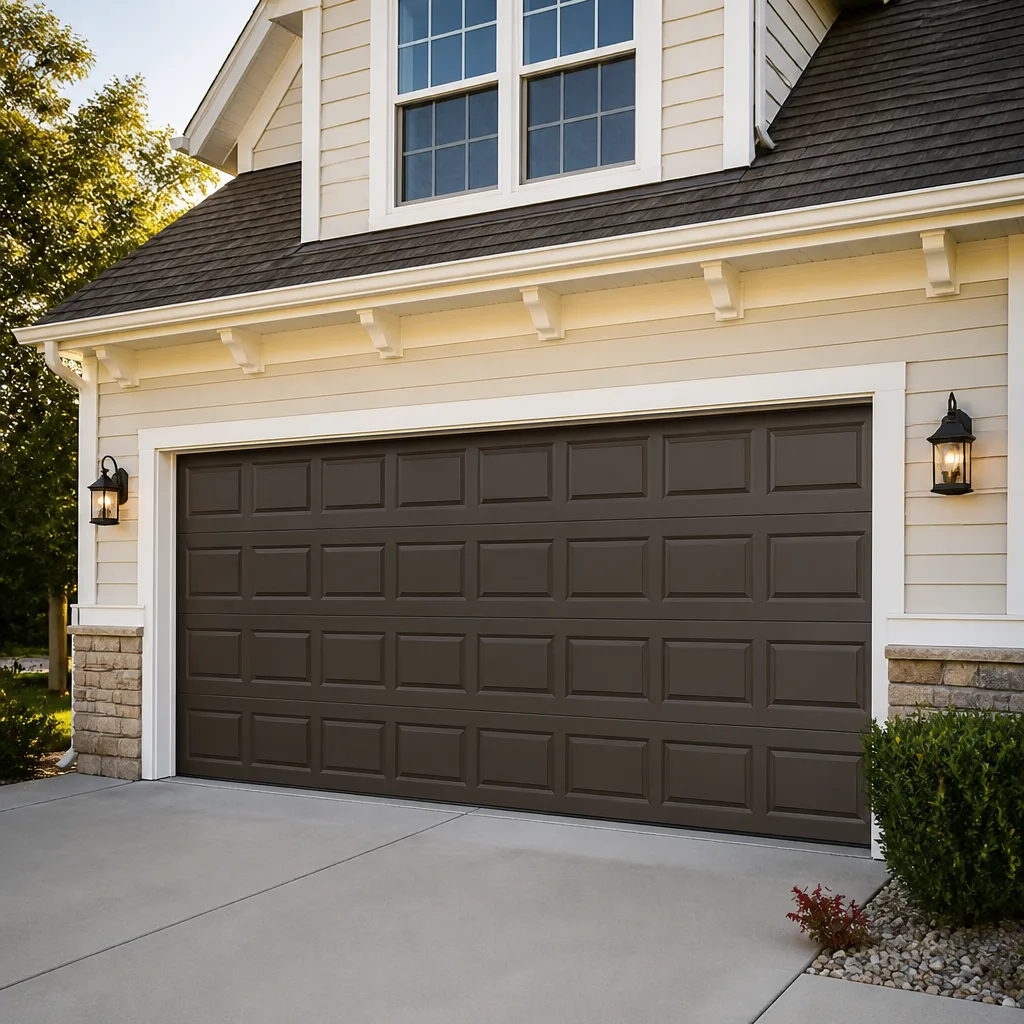 Raised-panel steel
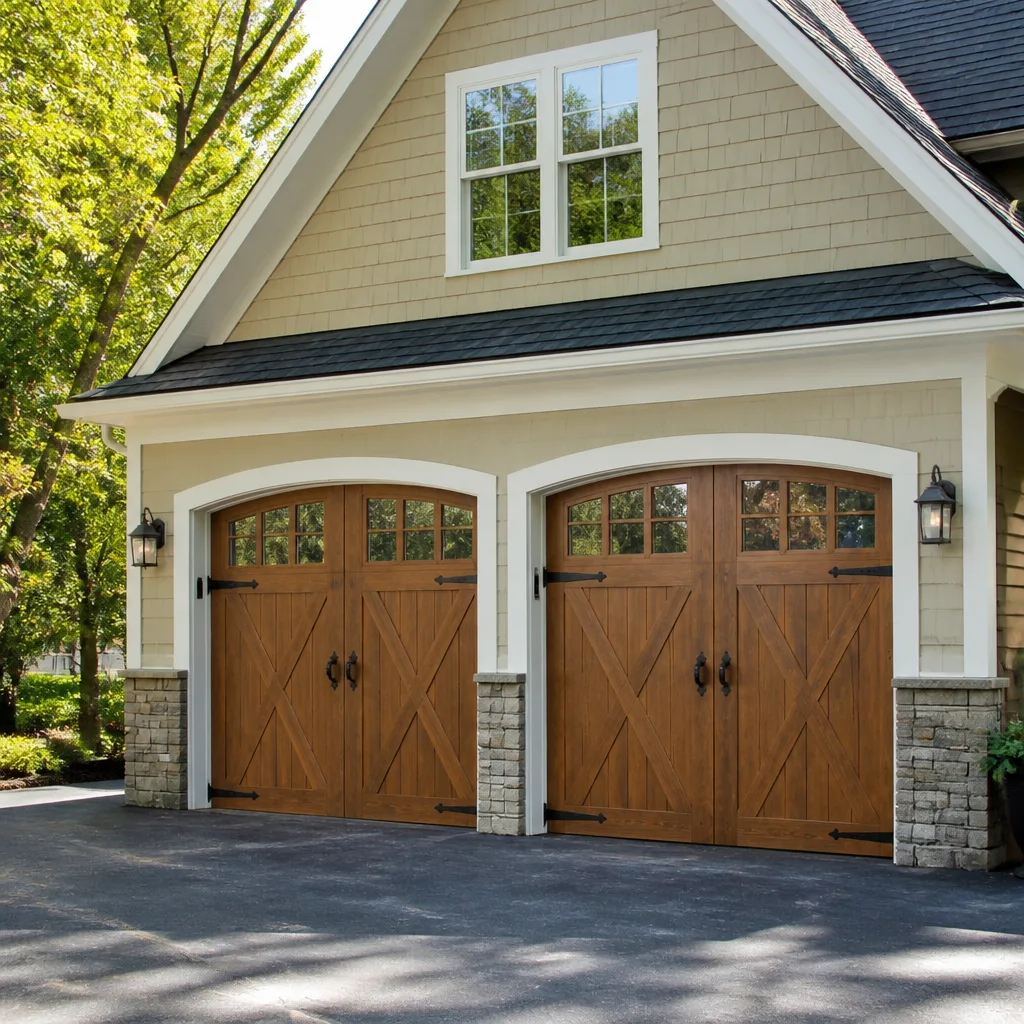 Carriage house
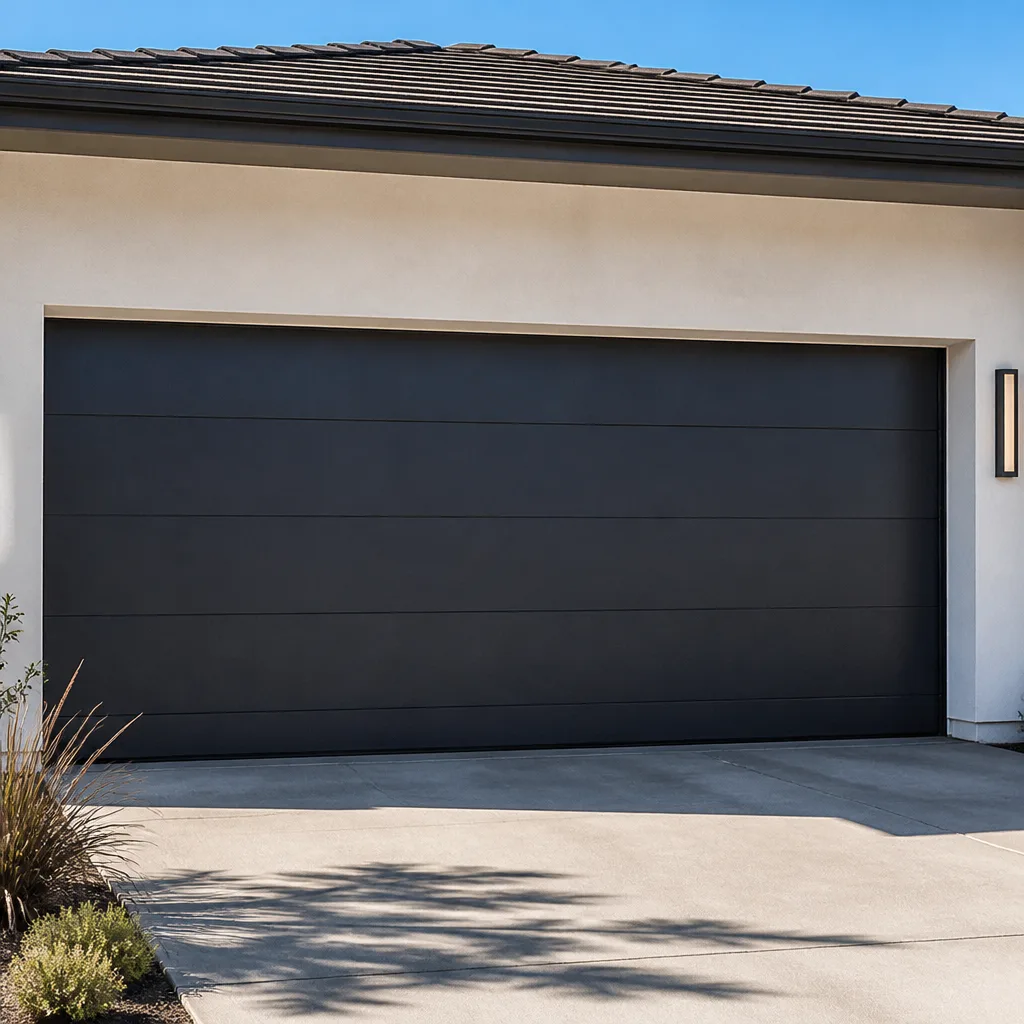 Modern flush
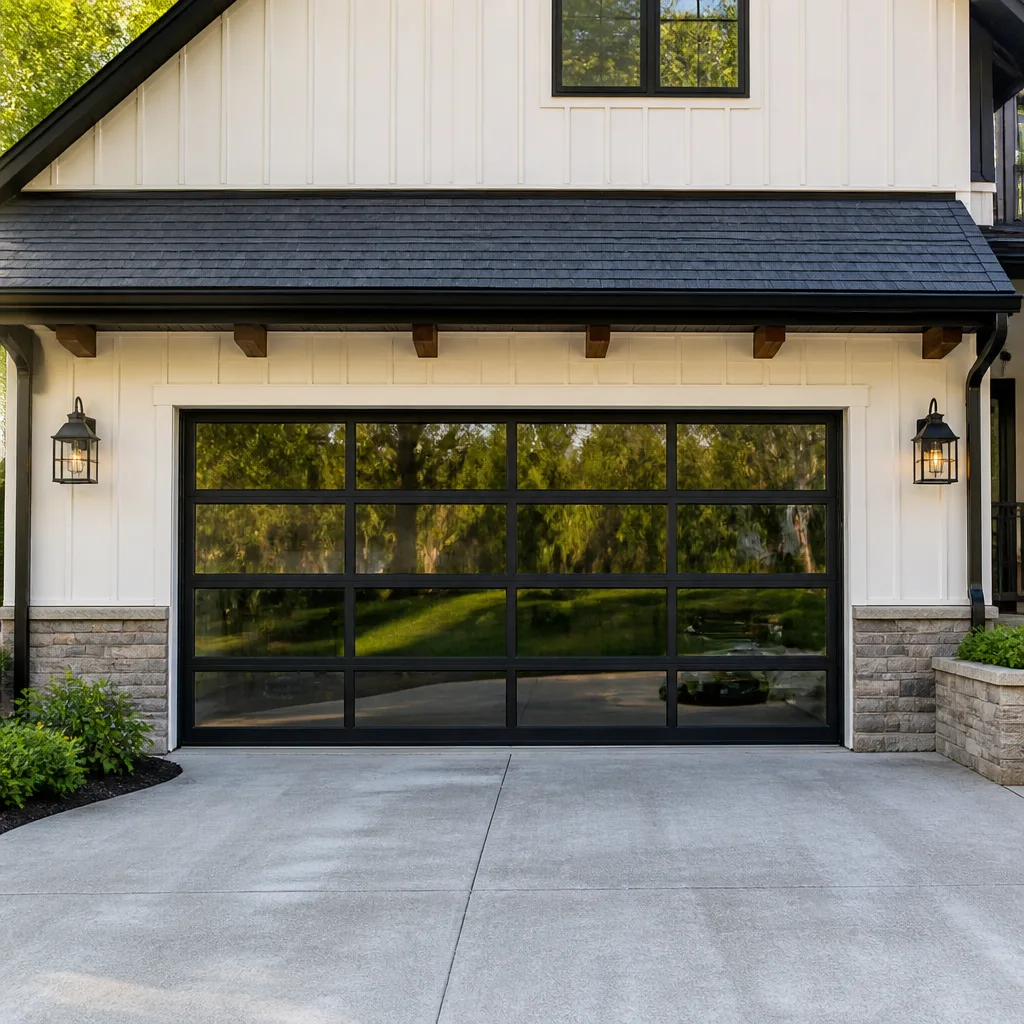 Full-view glass
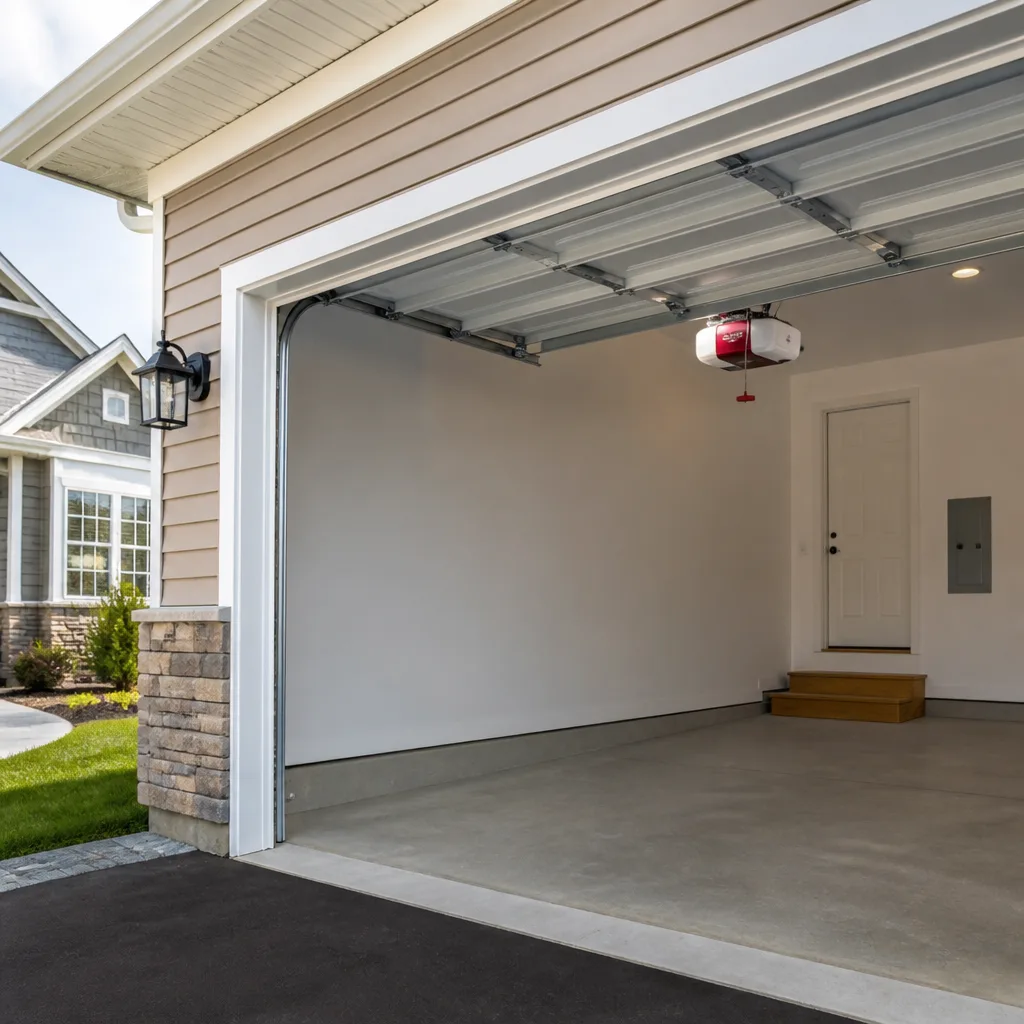 LiftMaster openers
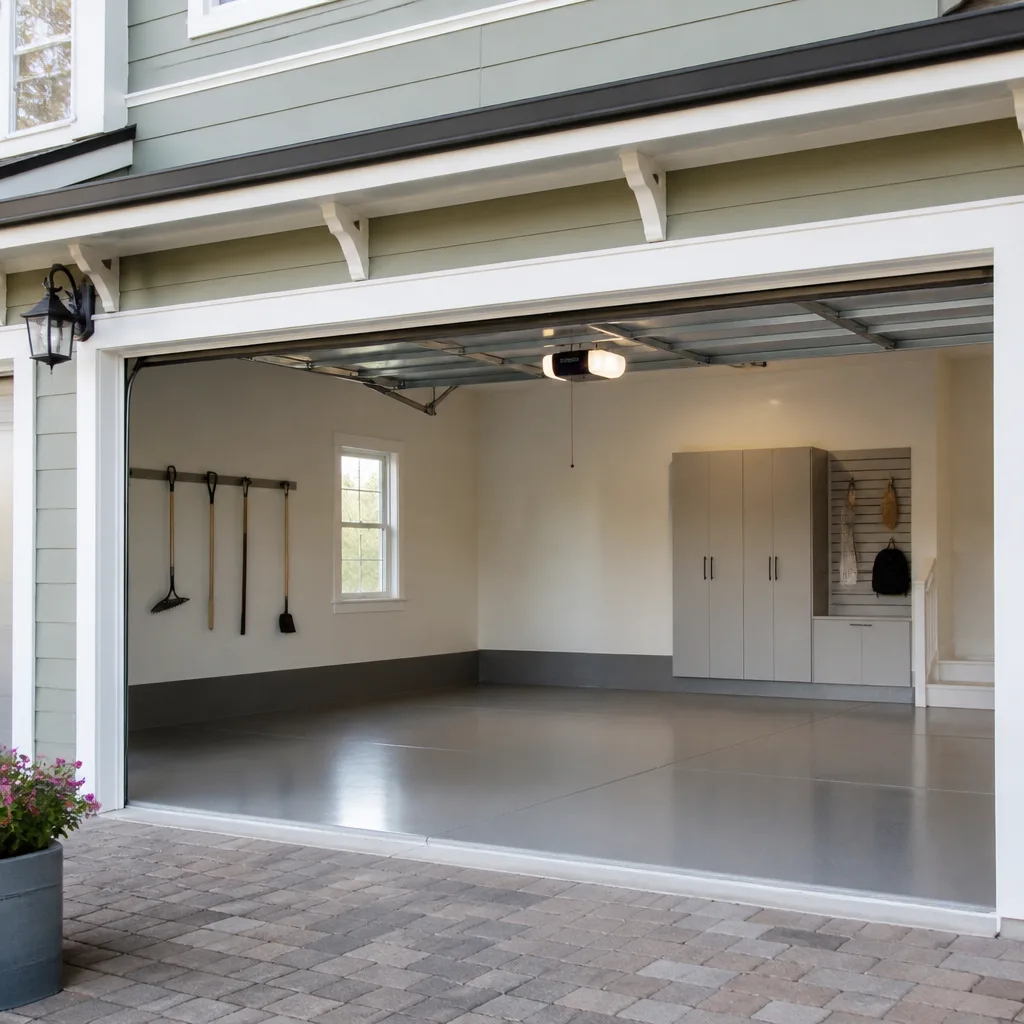 Chamberlain openers
Full 25-point door and opener safety check with every visit - springs, cables, rollers, tracks, and your LiftMaster or Chamberlain opener included
You get a price before we start. It does not change when the pro arrives.
Get your free estimateSeasonal Garage Door Care for Holyoke: Year-Round Homeowner’s Guide
Most homeowners treat garage door maintenance as one checklist they run through once and forget. In Holyoke, that approach fails, because the door that groans through a humid July is not the same door that freezes to the slab in January. Each of the four seasons loads the door in a different way, and the weakest part changes with the weather. Spring tension stress spikes in the cold. Wood sections swell in the summer. Frost heave quietly shifts the frame every March. This guide treats each season as its own problem, with the checks and adjustments that actually matter in that window. You’ll learn what to test, when to test it, and what to leave to a trained technician.
Quick Answer
Garage door care in Holyoke follows the seasons: in fall, seal the door against cold before the first freeze; in winter, never force a door that’s frozen to the floor; in spring, check for frame alignment shifted by frost heave; in summer, watch humidity and heat. The single most useful habit is a short inspection at each seasonal change, because a Holyoke door faces metal contraction, frozen weatherstripping, ground movement, and summer humidity in the same year. Most of the repairs we handle trace back to a check that was skipped at one of those four points.
Styles & brands we work with
- Raised-panel steel
- Carriage house
- Modern flush
- Full-view glass
- LiftMaster openers
- Chamberlain openers
Table of Contents
- Why Holyoke’s Four Seasons Each Break Something Different
- Fall: The Pre-Winter Checklist That Actually Matters
- Winter: When the Door Freezes to the Floor
- Spring: Frost Heave and Frame Alignment
- Summer: Humidity, Heat, and Opener Logic Boards
- The Road Salt Factor on Holyoke’s Side Streets
- Brand Differences That Change the Schedule
- Common Mistakes to Avoid
- When to Call a Professional
- Frequently Asked Questions
Why Holyoke’s Four Seasons Each Break Something Different
A garage door is a balance of tension, weight, and alignment. Change any one of those and the door leans on the other two. Holyoke gives you all four seasonal changes in a single year, so the door is constantly being rebalanced whether you notice it or not.
In the cold months, steel and aluminum contract. A torsion spring that’s already near the end of its life loses a little of its stored energy when temperatures drop, then gets asked to lift a door that’s suddenly harder to move. In summer, humidity swells wood door sections and can throw off the alignment of a track that was true in April. Between those extremes, frost moving through the ground under a slab is enough to shift a frame by fractions of an inch. Small shifts add up to an opener that strains, rollers that wear, and panels that rub.
Most guidance you’ll find online is written for a climate with one dominant season. That advice doesn’t fit Holyoke, where a door can face a February cold snap and an August humid stretch within the same calendar year. We work on every major system and see the same pattern: the repairs that cost the most were usually preventable with a five-minute check the season before.
What follows is organized by season on purpose. Read the section that matches the month you’re in, do the checks, and skip the rest until the next change. This is the seasonal garage door maintenance Holyoke MA homeowners actually need, in the order the year delivers it.
Fall: The Pre-Winter Checklist That Actually Matters
Fall is the season where you get ahead of winter, and it’s the two weeks before the first hard freeze that matter most. Once the cold sets in, everything you can adjust easily becomes difficult. Here’s the checklist we’d run on any Holyoke door in October or early November:
- Weatherstrip compression test. Close the door and look at the seal where it meets the frame. Run a hand along the sides and top. You should feel steady, even pressure all the way around. Any gap where light or cold air gets through is a spot that will let water in when it freezes.
- Bottom seal inspection. The rubber or vinyl seal at the floor takes the most wear of any part on the door. Look for cracking, flattening, or chunks missing. A worn seal lets meltwater under the door, and that water refreezes into a bond between the seal and the slab.
- Limit switch adjustment for cold-weather slowing. As temperatures drop, the door moves a little slower. If your opener’s travel limits were set in warm weather, the door may not fully close and then reverse, or it may not open all the way. A technician can reset the open and close limits so the door seats firmly against the floor without over-traveling.
- Track and roller check. Look down the vertical tracks for bends or debris. Rollers should turn freely; any that wobble need replacing before the cold makes them brittle.
- Hardware tightness. Hinges, brackets, and the spring anchor plate should be tight. Don’t touch the torsion spring itself. That’s a job for a trained technician, and we’ll explain why in a moment.
Why this order? Because each check builds on the last. A perfect seal doesn’t help if the door won’t close all the way, and a door that closes all the way still lets cold in through a worn bottom seal. Do the compression test first, then work down. By the time the first freeze arrives in Holyoke, the door is sealed, lubricated, and adjusted for cold weather.
One safety note before you start: torsion springs are under high tension at all times. Never attempt to adjust, wind, or unwind a spring yourself, even one that looks calm. A trained technician has the tools and the training to do this safely. Visual inspection is fine, hands-on work is not.
Winter: When the Door Freezes to the Floor
The first thing to know: never force a door that’s frozen to the floor. If the door won’t lift, don’t keep pressing the opener. The opener will strain against a bond it can’t break, and the panel closest to the floor is what usually gives. Forcing a frozen door can bend the bottom section, strip the opener’s drive gear, or snap a torsion spring. None of that is a cheap fix, and none of it is necessary.
Meltwater from a car parked inside runs down the door, collects at the bottom seal, and refreezes overnight. That’s the common path to a door that won’t open in the morning. If it happens, the safe move is to wait for the bond to release with warmer weather or, if you can see daylight under the door, break the ice carefully around the base with a plastic tool. Never chip at the seal with anything metal.
The deeper issue in winter is what the cold does to the spring. Steel contracts in cold, and a torsion spring that’s already tired loses some of its stored lift. Now add frozen weatherstripping, which can make the door harder to lift, and the spring is being asked to do more with less. That’s why spring failures cluster in cold snaps. If you notice the door getting heavier or the opener laboring on cold mornings, that’s the door telling you the spring is losing tension. This is where a dedicated garage door spring repair call makes sense, before the spring breaks and drops the door.
One thing Holyoke winters do that surprises people: the combination of freeze and thaw cycles means the door can freeze one day and free itself the next, then refreeze. Each cycle puts stress on the bottom seal and the panel it’s attached to. If you see the seal working loose or the bottom panel starting to bow, get it looked at rather than waiting for spring.
Spring: Frost Heave and Frame Alignment
Frost heave is what happens when the ground freezes, expands upward, and then settles in a slightly different position when it thaws. Under a garage slab, that movement is usually small, but it doesn’t take much to throw a door frame out of square. A floor that was level in November can be a fraction off in March, and that fraction lands on the door frame.
When the frame shifts, the door no longer travels in a perfectly straight line. The panels start to rub against one side of the frame. The rollers bind in the track. The opener has to work harder to pull the door through. Left alone, that strain shows up as worn rollers, a bent track, or an opener that eventually quits.
Here’s how to test for alignment after a typical Holyoke winter:
- Open the door to shoulder height and let it rest. Does it sit level across the width, or is one side lower?
- Look at the gap between the door edge and each vertical track. The gaps should be roughly equal on both sides. A wide gap on one side means the frame has moved.
- Close the door slowly and listen. Scraping or rubbing on one side is a sign of misalignment, not just a worn seal.
- Watch the rollers travel up the track. If one roller consistently pops or catches at a specific spot, the track has taken on the frame’s new lean.
- Press the opener and watch the door move. If the door hesitates at the start or at the top, the opener is fighting the frame rather than lifting the door.
If any of those checks turn up a problem, the fix usually involves adjusting the track and re-hanging the door, not just tightening a screw. Because the frame has moved under the door, a general garage door repair call is the right move. Leaving misalignment through the spring and summer is how a small track adjustment turns into a full track replacement.
Spring is also the season to clean and lubricate the tracks and rollers after the winter’s grit and salt have worked their way in. Do that once the alignment is checked, because lubricating a door that’s out of true just hides the problem.
Summer: Humidity, Heat, and Opener Logic Boards
Holyoke’s summers bring two separate problems, and they don’t get the same fix. The first is humidity, which affects wood door sections more than any other part of the system. Wood swells when the air is moist, and a swollen panel can bind against the frame or throw off the door’s balance. If your door is wood or has wood sections, watch for sections that rub more in July than they did in May. You may need to let the door breathe or adjust the seal so it doesn’t pinch the swollen panel.
The second is heat, and it’s the part most homeowners don’t connect to the door. A garage sitting in full sun can get very warm inside, and the opener’s logic board lives in that space. Electronic components have a temperature range they’re designed for. When the board gets hot, it can start to misbehave: the door reverses for no reason, the remotes become intermittent, the opener’s safety sensors act up. If your door only misbehaves on the hottest afternoons, heat is the likely cause, not a dying opener.
What to do about it:
- Keep the garage door cracked or vented for airflow on hot days when you’re not using the car.
- Check that the opener’s safety sensors are clean and aligned. Heat and dust together confuse them.
- Watch for a door that reverses only in the afternoon. That’s a heat pattern, and it points to the opener board, not the door itself.
- Lubricate rollers and hinges in early summer, after the spring cleanup, so the door runs free during the humid stretch.
Summer is also when a sluggish door often turns out to be an opener problem rather than a door problem. If the door moves freely by hand but the opener struggles, that’s a garage door opener repair question, not a door adjustment. Heat, humidity, and dust together are hard on openers, and a board that’s been slowly failing all summer is more likely to quit in August than in March.
The Road Salt Factor on Holyoke’s Side Streets
Here’s the piece the generic maintenance schedules leave out. Holyoke’s side streets get salt and sand through the winter, and that spray reaches garage door hardware. Salt doesn’t just sit on the surface; it works into hinges, rollers, and the bottom bracket, where winter wet and freeze cycles concentrate it. That’s why a hinge that a manufacturer’s schedule says to lubricate every six months starts to bind in three on a Holyoke door that faces the street.
Manufacturers write their maintenance intervals for average conditions. Holyoke’s road-salt exposure isn’t average, so the schedule needs to be shorter. In practice, that means:
- Wipe down hinges, rollers, and the bottom bracket after the last salt treatment of the season, not just once in the fall.
- Lubricate the moving parts more often than the manual suggests if your garage faces a street that gets salted.
- Watch the bottom bracket and the hinges closest to the floor most closely. Those are the parts salt spray reaches first.
- Inspect the bottom seal every few weeks through the winter. Salt spray plus meltwater is hard on rubber.
The hardware that corrodes fastest is the hardware closest to the floor, because spray settles low. A general visual inspection in late winter will usually show you which parts need attention. If a hinge is seized or a roller won’t turn, that’s a repair, not a lubrication problem. The Holyoke Garage Door Repair team can look at the whole door and tell you what needs replacing, which is easier than guessing at each part.
Brand Differences That Change the Schedule
Not every door needs the same care at the same time. The brand and system on your door affects how it responds to the seasons, and we’re factory-familiar with eight major brands: LiftMaster, Chamberlain, Genie, Clopay, Amarr, Wayne Dalton, Craftsman, and Raynor. Each has its own quirks, and knowing them saves guesswork.
On the opener side, LiftMaster and Chamberlain share a lot of design language and behave similarly in heat and cold. Genie and Craftsman openers have their own logic board behavior and limit settings, which matters when you’re adjusting travel for cold-weather slowing. On the door side, Clopay and Amarr door systems tend to be more sensitive to track alignment after frost heave, while a Wayne Dalton door with its own torsion or extension spring setup has its own service considerations. A Raynor door is built to a different spec again, so its hardware and spring configuration need to be matched to the right parts.
The point isn’t the brand name on the box; it’s that a technician who knows the system diagnoses correctly the first time instead of guessing. If you’re not sure what you have, the door and opener usually carry a label. Read it before you call, and mention the brand when you do. It shortens the visit and helps make sure the right parts come out with us.
In our experience, the biggest brand-related mistake is assuming a universal part will fit. Springs, brackets, and opener gear sets are specific to the system. The right part for a Clopay door isn’t the right part for an Amarr door, even when the doors look similar from the front.
Common Mistakes to Avoid
- Forcing a frozen door. The opener strains against a bond it can’t break, and the bottom panel pays for it. Wait for the ice to release or call us rather than pressing the button repeatedly.
- Skipping the fall weatherstrip test. A compression test takes five minutes and catches the gaps that let meltwater under the door. Skipping it is how a small seal problem becomes a frozen door all winter.
- Assuming frost heave is a spring-only issue. The frame shifts in early spring and the misalignment shows up as binding through the whole year. Check alignment after the thaw, not just when something feels wrong.
- Ignoring heat on the opener. If the door only misbehaves on hot afternoons, the logic board is a suspect. Treating it as a door problem wastes a repair call.
- Lubricating a door that’s out of alignment. lubrication hides the rub without fixing it, and the rollers keep binding. Fix the frame first, then lubricate.
- Following a generic maintenance schedule in Holyoke. The road-salt spray on a side street shortens the maintenance interval. Average advice produces average results, and this isn’t average weather.
- Touching the torsion spring. It’s under high tension and genuinely dangerous. Visual inspection is fine; hands-on work belongs to a trained technician.
When to Call a Professional
Some checks belong in your hands, and some don’t. If the door won’t lift at all, if the spring looks broken or loose, or if the door binds and scrapes through a full travel cycle, stop and call. If the opener behaves differently by season (reverses in heat, strains in cold), that’s worth a diagnostic before the part fails entirely. And if you’ve checked alignment after a thaw and the door still runs rough, the frame or track needs a technician’s eye. We can work with your insurer when a repair is covered. Holyoke Garage Door Repair offers free estimates in Holyoke. Call (866) 369-5561. We answer 24/7. Fast dispatch from 7am to 7pm, Sunday through Friday.
Our technicians have up to 11 years of experience, and they’re trained to diagnose the door and the opener together. A price is quoted and agreed before any work starts, so you know the cost before we touch the door. The written estimate sets the final price.
Frequently Asked Questions
Plan on a short seasonal check at each of the four seasonal changes, with a full professional tune-up once a year. Holyoke’s freeze-thaw cycles, summer humidity, and road-salt spray shorten the interval in the manufacturer’s manual, so the fall and spring checks are the two that matter most. Call (866) 369-5561 for a free estimate on a tune-up.
Heat is the likely cause when the door reverses or the opener misbehaves on the hottest afternoons. The opener’s logic board is in the garage, which gets very warm in summer, and electronic components can misbehave at high temperatures. Check that the safety sensors are clean and aligned, and if the pattern persists, a diagnostic is worth it. Call (866) 369-5561 for an exact quote – estimates are free.
Meltwater from a car parked inside runs down the door, collects at the bottom seal, and refreezes. That’s the usual cause, and the safe response is to wait for the bond to release, not to force the door. Check the bottom seal for cracks and wear, because a worn seal makes the problem worse. Call (866) 369-5561 for a free estimate.
Don’t force it. If the door won’t lift, pressing the opener repeatedly strains the motor and can bend the bottom panel. A spring that’s lost tension in the cold is another common cause, and that’s a technician’s job. Call (866) 369-5561. We answer 24/7. A call outside dispatch hours is booked into the next opening, Sunday through Friday, 7am to 7pm.
Yes. Frost heave moves the ground under the slab, and that can throw the frame out of square after the winter thaw. If the door rubs on one side or the gaps to the tracks are uneven, that’s a sign. A technician can check alignment and adjust the track before the misalignment wears the rollers. Call (866) 369-5561 for a free estimate.
They do, on the details. LiftMaster and Chamberlain openers behave similarly in heat and cold, while Genie and Craftsman openers have their own limit settings. Clopay and Amarr doors are more sensitive to track alignment after frost heave, and Wayne Dalton and Raynor systems have their own spring and hardware specs. We’re factory-familiar with all eight major brands and can diagnose and repair virtually any system without guesswork. Call (866) 369-5561 for a free estimate.
The Bottom Line
Holyoke gives a garage door four different seasonal tests, and each one hits a different part of the system. Fall is for sealing and adjusting against cold. Winter is for not forcing a frozen door. Spring is for checking alignment after frost heave. Summer is for humidity, heat, and opener behavior. Add the road-salt exposure on the side streets, and the maintenance interval in the manual is shorter than you’d think. Run a short check at each seasonal change and let a trained technician handle the springs and the heavy diagnosis. That routine is the difference between a door that lasts and a repair every season.
Ready to get ahead of the next season? Call Holyoke Garage Door Repair at (866) 369-5561 for a free estimate. We answer 24/7. Fast dispatch from 7am to 7pm, Sunday through Friday. The price is quoted and agreed before any work starts, and the written estimate sets the final price.
Written by the team at Holyoke Garage Door Repair.
See the difference
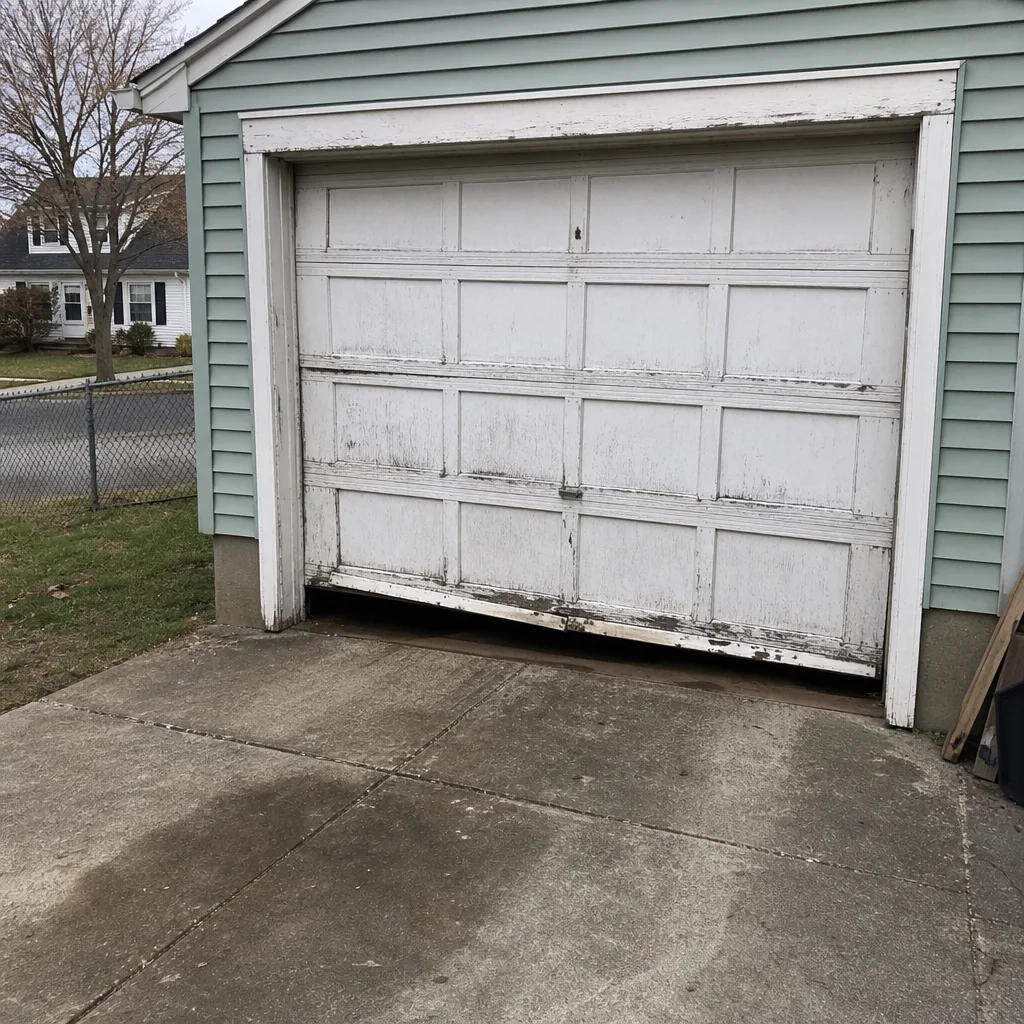 Before
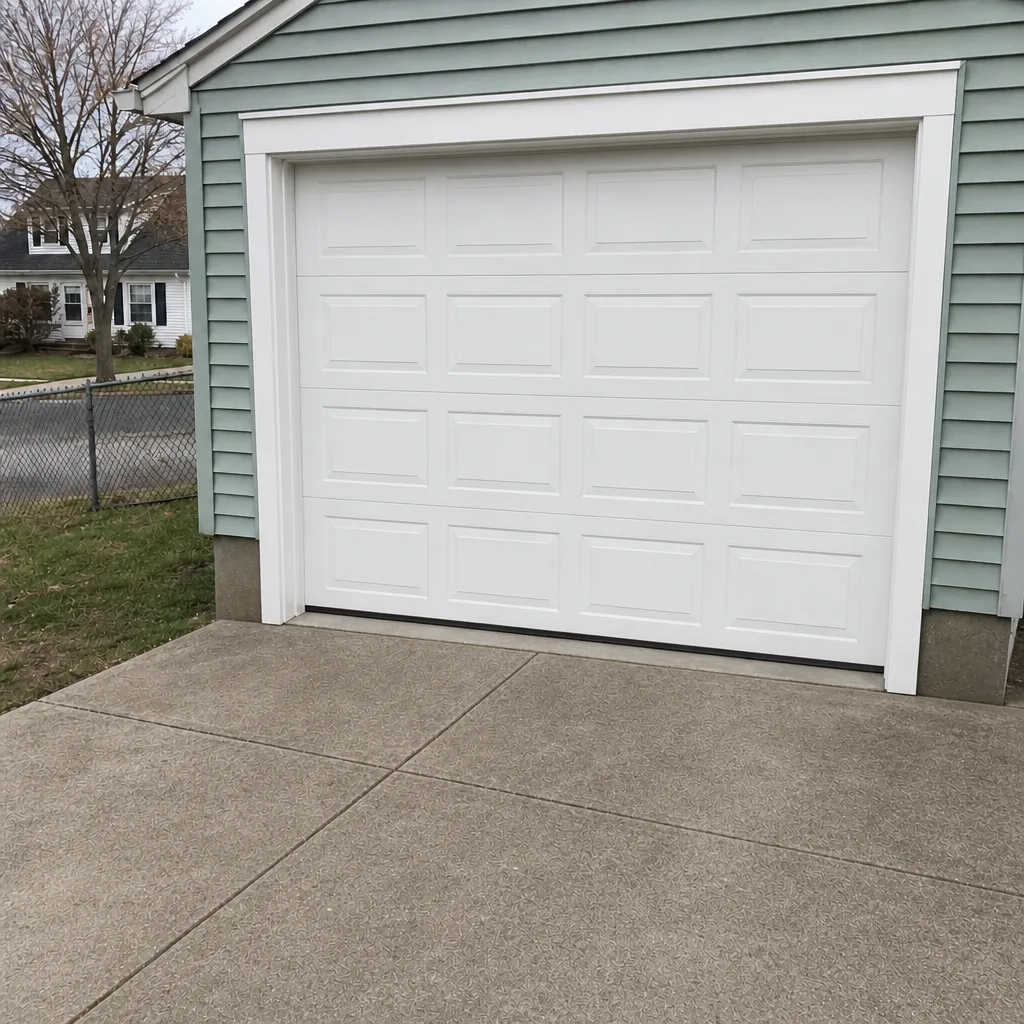 After
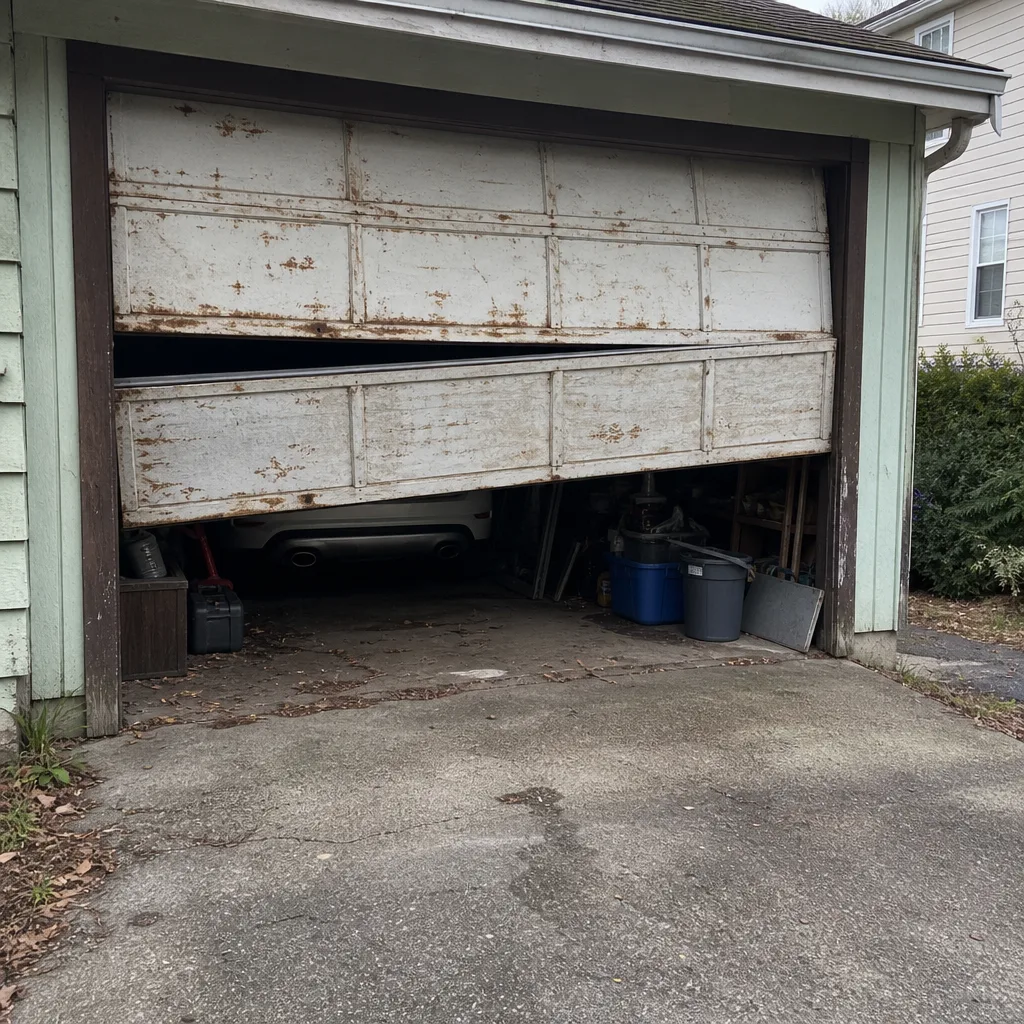 Before
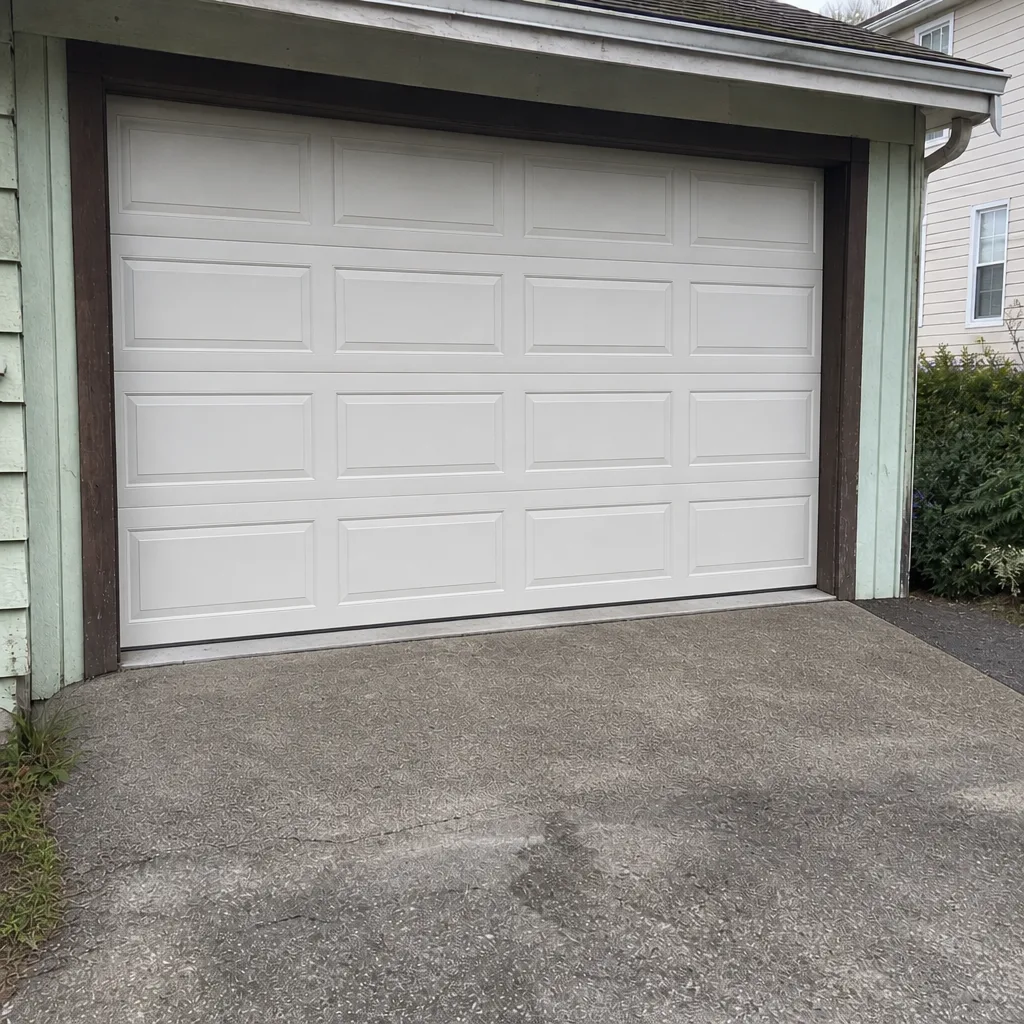 After
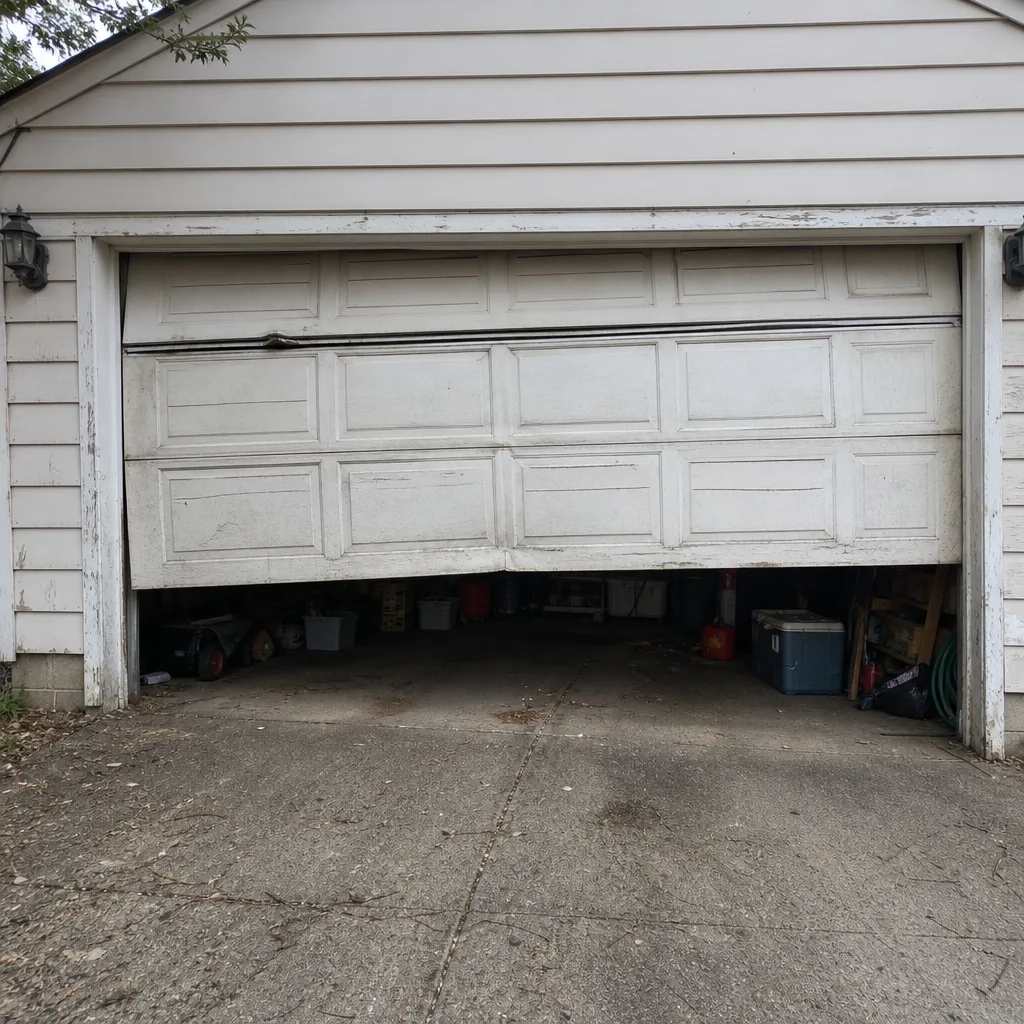 Before
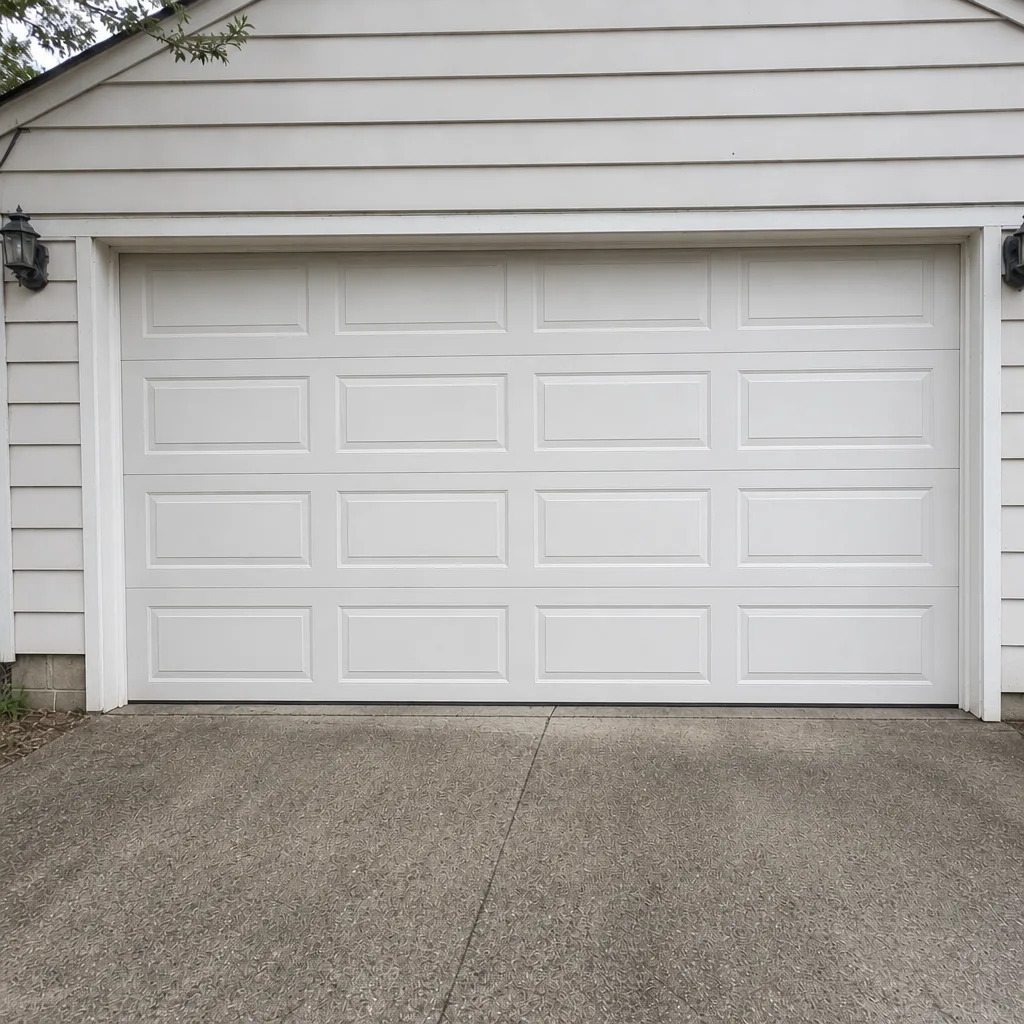 After