
Last updated November 23, 2026
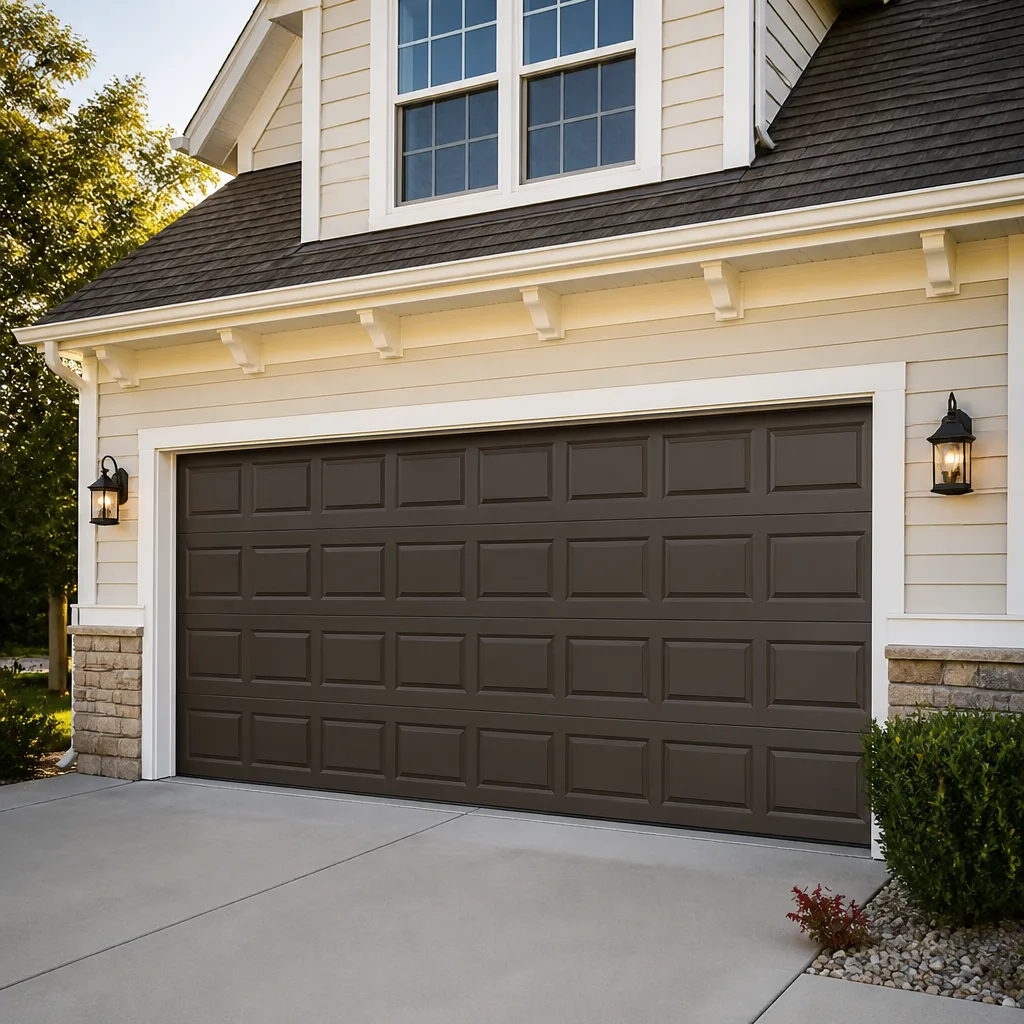 Raised-panel steel
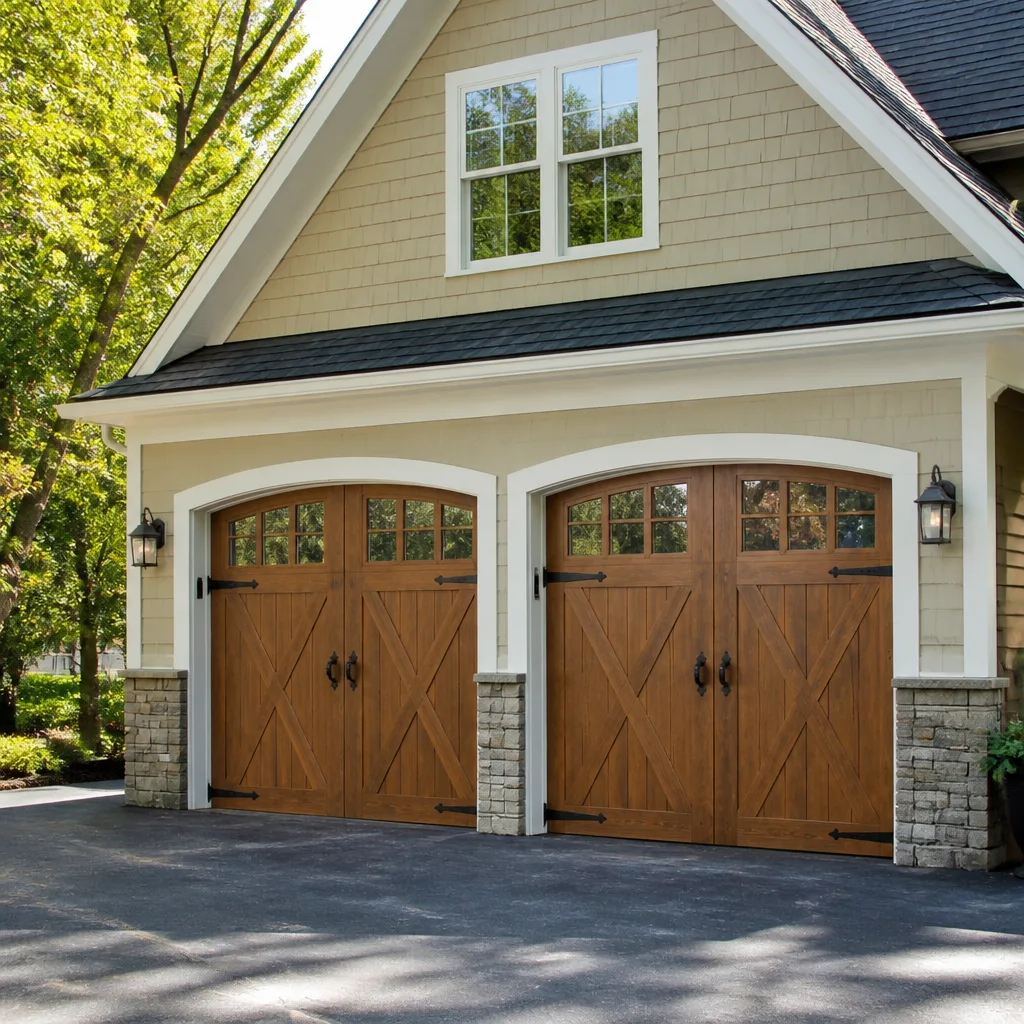 Carriage house
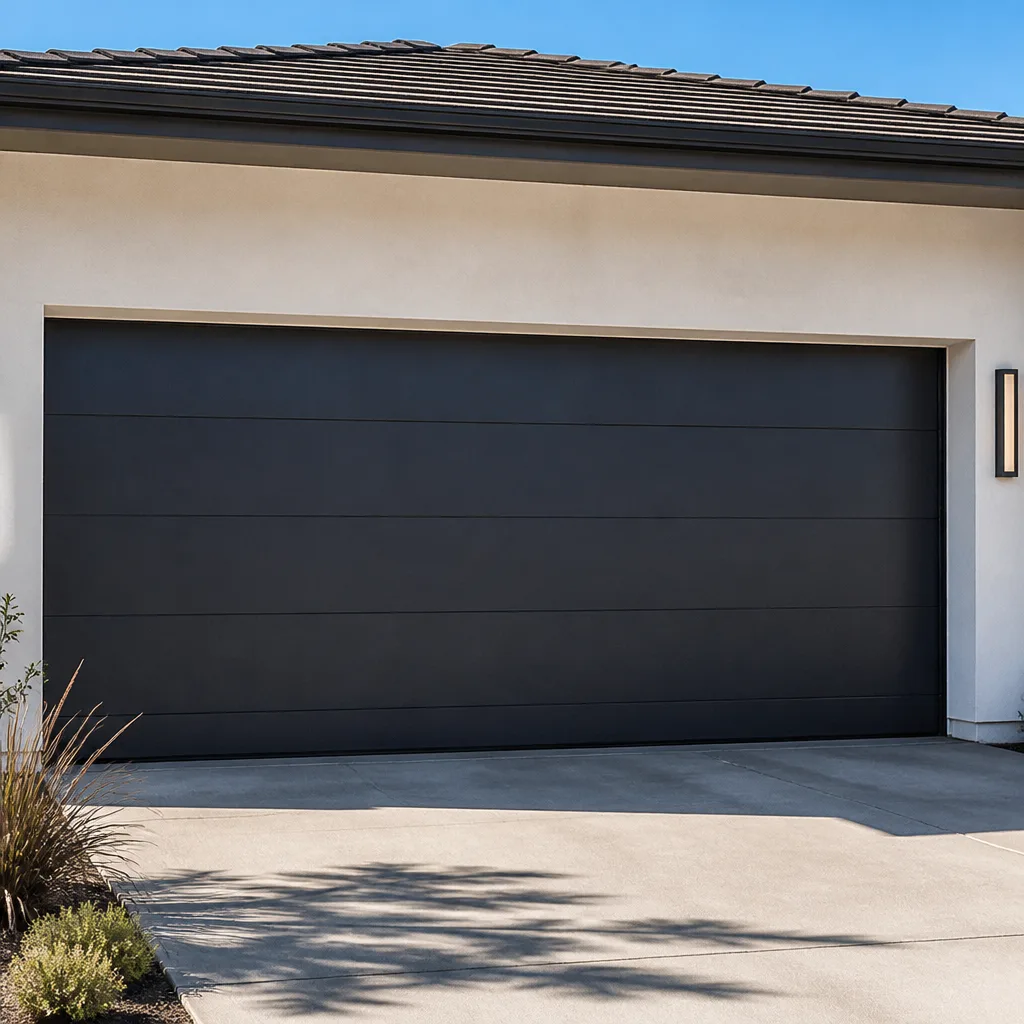 Modern flush
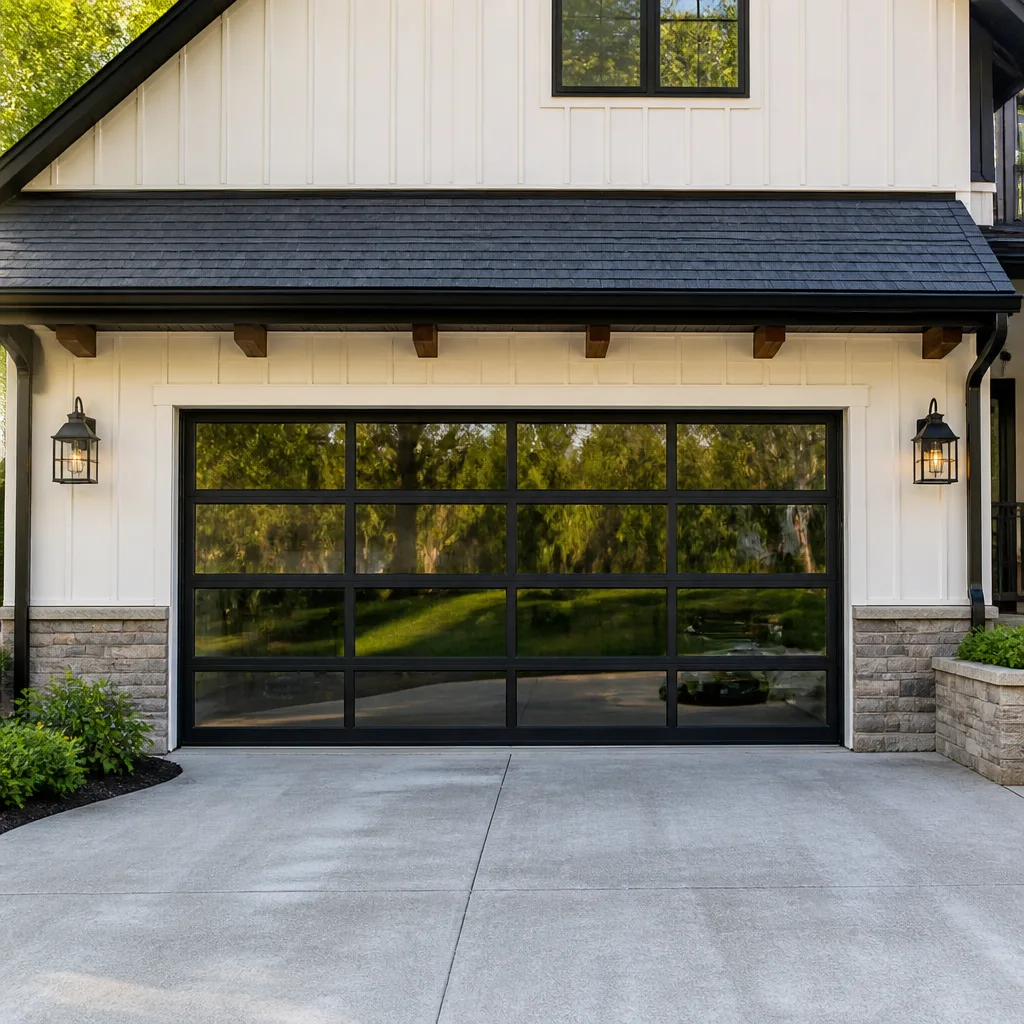 Full-view glass
 LiftMaster openers
 Chamberlain openers
Full 25-point door and opener safety check with every visit - springs, cables, rollers, tracks, and your LiftMaster or Chamberlain opener included
You get a price before we start. It does not change when the pro arrives.
Get your free estimateGarage Door Warning Signs: A Holyoke Homeowner’s Reference Guide
A garage door that takes three seconds longer to close than it did six months ago is not “getting old.” It’s a measurable indicator of a specific mechanical problem, and the difference between a small repair and a full emergency often comes down to catching it now. Most serious failures – a snapped spring, a blown-out panel, a runaway door – announce themselves weeks in advance through symptoms homeowners routinely explain away. This guide names those symptoms, pairs each one with a repair action, and tells you how urgently to act. It’s written from Holyoke, so the cold-weather quirks you’ll read about are the ones we see in this valley every winter.
Quick Answer
The eight warning signs that matter most are: a door that won’t stay up, uneven movement side to side, a loud bang from the torsion bar, grinding or squealing when it moves, a door that reverses before touching the ground, visible cable fraying, rust pitting on rollers, and a door that drifts when you disconnect the opener. Each one maps to a specific component, and each has an urgency rating: monitor, schedule a repair, or stop using the door immediately. A snapped spring or a frayed cable means stop now; a slightly noisy roller means schedule a check.
Styles & brands we work with
- Raised-panel steel
- Carriage house
- Modern flush
- Full-view glass
- LiftMaster openers
- Chamberlain openers
Table of Contents
- The Symptom-to-Cause Index
- Opener Noise vs. Hardware Noise: The 60-Second Test
- What Uneven Door Movement Tells You
- The Visual Inspection Sequence: Rollers, Hinges, Bottom Brackets
- Why Your Door Reverses Before the Ground in Winter
- Urgent Repairs vs. Planned Repairs
- What Repairs Typical Cost in Holyoke
- Keeping a Holyoke Door Healthy Through the Seasons
The Symptom-to-Cause Index
Print this mental list and check your door against it. Every entry is something you can observe from the floor without tools, and every entry carries an urgency rating. When we train technicians, this is the same triage they run before touching a door.
- Door won’t stay up when you lift it, or slams down when you pull it. Cause: a broken torsion spring or extension spring. Urgency: stop using it immediately. Call for same-day help and keep the door closed until someone arrives.
- A loud bang from above the door, then the opener runs but the door doesn’t move. Cause: the torsion spring has snapped. Urgency: stop using it immediately. Do not keep running the opener; it will burn out the motor chasing a door it can’t lift.
- Door rises crooked, one side lagging behind the other. Cause: a failing cable, a worn drum, or one spring in a pair losing tension ahead of the other. Urgency: stop using it. A crooked door can jump the track and drop.
- Grinding, screeching, or a metallic rattle as it moves. Cause: dry or seized rollers, worn hinges, or a failing bearing plate. Urgency: schedule within a week, sooner if the noise is getting worse.
- Door reverses before it reaches the floor. Cause: misaligned safety sensors, a limit switch out of adjustment, or cold-weather stiffness. Urgency: monitor at first; schedule if it happens with every cycle.
- Frayed or kinked cable visible at the drum or along the side. Cause: cable wear, often from a door that runs slightly out of balance. Urgency: stop using it. Cables are under extreme tension and can whip.
- Flaking rust on roller stems and hinge knuckles. Cause: moisture and age, common on doors facing west in Holyoke’s winter cycles. Urgency: schedule. Rust pitting that reaches the roller bearing means replacement.
- Door drifts down slowly after you pull the manual release. Cause: spring tension out of balance with the door weight. Urgency: schedule a balance check; this is what wears the opener out early.
Notice a pattern: the two symptoms that mean “stop using it” are both about the door being unable to hold its own weight. Torsion springs and cables are what make a 150-to-300 pound door feel like a 20-pound door in your hand. When either gives out, that weight comes back.
Opener Noise vs. Hardware Noise: The 60-Second Test
This is the single most useful diagnostic a homeowner can do, and it takes a minute. The point is to find out whether the noise you’re hearing comes from the motor and rail (opener) or from the door itself (hardware, springs, or cables). The two need completely different repairs, and people often guess wrong.
- Close the door all the way. Leave the opener connected.
- Pull the manual release cord. This disconnects the door from the opener trolley, so the motor can run without the door.
- Run the opener by itself. Press the wall button. The trolley should slide up and down the rail with a smooth whir. Listen for grinding, rattling, or a straining motor.
- Now lift the door by hand, slowly. With the opener disconnected, the door should rise with moderate steady effort and stay put when you let go at shoulder height, or drop very slowly once you’re above half-open.
- Compare what you heard and felt. Noise from the opener alone means the motor, gear, or rail is the problem. Noise or roughness from the door itself means rollers, hinges, cables, or springs.
- Reconnect the trolley. Press the button and let the opener run the door back up until the trolley clicks back in. If the door feels dangerously heavy when you lift it, skip lifting and call for help.
Why bother with the test? Because it points you and your technician straight at the right system. A LiftMaster opener that rattles on a smooth-running door is a motor problem. A quiet opener that strains against a heavy door is a balance problem. If the motor itself is the culprit, our garage door opener repair service covers the full range of openers we work with, including Chamberlain and Genie units. If the door is the problem, it’s a hardware repair. Knowing which before you call saves a diagnostic step and often gets you a written estimate faster.
Safety note: never lift a disconnected door if you suspect a broken spring, and never reach into the torsion bar assembly or cable drums. Those parts are under very high tension, and mishandling them can cause serious injury. A trained technician has the winding bars and the knowledge to release tension safely.
What Uneven Door Movement Tells You
A door that rises crooked is telling you where to look, if you know how to read it. Stand back and watch the door travel. The gap between the bottom of the door and the floor should stay even across the width. The door edge on each side should ride against the same point on the track. If one side visibly leans or lags, something on that side is failing.
If the low side is the side you stand on when facing the door (typically the left in a single-car door), the cable on that side is losing tension, usually a fraying cable or a cable drum that’s binding. The other spring is still pulling its side up; this one isn’t keeping up.
If the high side is the low side’s opposite and the door is a two-spring torsion setup, the spring on the low side has lost tension, or the cable on that side is slipping. In either case, the low side’s tension or lifting capacity is failing.
If the whole door hesitates and then jumps, it’s usually a worn roller or a slightly twisted track rather than a spring. This is one of the few less-urgent uneven-motion cases, and a garage door repair visit usually resolves it by replacing rollers and aligning the track.
The urgency: any uneven movement that gets worse over a few cycles means stop using the door. An unbalanced door twists the panel frame, wears the tracks, and loads the opener unevenly. Left alone, it can jump the track or bring a panel down. If the movement has stayed the same for weeks, it’s still worth a check, but the door can wait for a scheduled visit. In Holyoke, the cold months are the harshest on cable and spring balance, so a door that starts to drag in January deserves a prompt look rather than a springtime one.
What a balance check involves: a technician closes the door, disconnects the opener, lifts the door to the halfway point, and confirms it stays there. If it drifts, the springs get wound or replaced to match the door’s weight. This is one of the classic garage door spring repair tasks, and it’s why we treat spring work as its own specialty rather than a sideline. A precisely balanced door is the single best protection against every other problem on this page.
The Visual Inspection Sequence: Rollers, Hinges, Bottom Brackets
You can check the wear points on any garage door in about three minutes without tools. Work from the floor up, and stop if anything looks cracked, kinked, or wet with rust. This sequence is what a technician runs first on a service call, and it’s the order that catches the most problems.
- Bottom brackets first. Look at the metal plates at the very bottom corners where the cables attach. Surface rust is fine; deep pitting, a bent bracket, or a cable that is visibly kinked or frayed at the fitting means stop. This is the highest-tension point on the whole door and not a homeowner area.
- Rollers next. On each side, look at the small wheels in the track. Spin each roller briefly with your finger (door closed). It should turn freely and quietly. A seized roller skids instead of rolling and will flat-spot the track over time.
- Look for rust pitting. Surface rust is a thin brown film and can be wiped off. Rust pitting is rust that has eaten into the metal and left a rough, crumbly surface with visible depth. Pitting on a roller stem or bearing means the roller should be replaced, not cleaned. Pitting on a hinge knuckle means schedule a hinge check.
- Hinges along the door edges. Check each hinge leaf where it bolts to the panel. Loose bolts, cracked leaves, or a hinge with a wobbling pin all cause door rattle and rail wear. Replacements are inexpensive.
- Track condition. Run a hand (carefully) along the inside of each track. Dents, bends, or a track that’s out of plumb will make any roller noisy. A straightedge against the vertical track tells you if it’s true.
- Cables and drums. On each side of the door, trace the cable from bottom bracket up to the drum. It should lie flat in the drum grooves without crossing or nesting. Any crossing, kinking, or fraying means stop using the door.
The timeline behind the rust: light surface rust on an older steel door is normal and can run for years with cleaning. Rust pitting on the critical wear parts (rollers, hinge pins, and the bottom bracket assembly) is the point to replace. Roughly, a roller with visible pitting is a candidate for replacement at the next service; one with surface rust gets cleaned and lubed. If you’re not sure which is which, bring a photo to a quick call; most technicians will tell you over the phone.
This visual check also tells you when you’re looking at a panel problem rather than hardware. A dented or delaminated panel that’s let water into a steel skin is a Holyoke Garage Door Repair panel service call, and depending on the panel’s position on the door, replacement is often the soundest fix. We work with Clopay, Amarr, and Wayne Dalton doors often enough to know their panel construction from the ground.
Why Your Door Reverses Before the Ground in Winter
A door that reverses before it hits the floor is asking a question: is it a sensor problem or a limit switch problem? The answer matters because one is a safety system issue and one is a travel setting. Here’s how to tell them apart in a couple of minutes.
If the door reverses and only starts when it’s nearly closed, and you can look at the sensors, this is often the safety sensor system. The two small sensors near the bottom of each track (one on each side) shoot an invisible beam across the opening. If either is misaligned, fogged, blocked by snow or ice, or jostled, the opener reads “something’s in the way” and reverses the door as a safety move. Check: is there snow, ice, a leaf, or a toy in front of either sensor lens? Is the small light on each sensor steady, or blinking? A blinking sensor light is a strong signal it’s out of alignment.
If the door reverses at a consistent travel point regardless of what’s in the opening, or reverses well above the floor, this is more likely the limit switch or travel setting. The limit switch tells the opener where to stop. Cold weather changes how much effort the door takes to move, and an opener on the edge of its force setting may read the extra resistance as contact with an obstacle and reverse. On older units, the adjustments are physical screws on the opener head; on newer LiftMaster and Chamberlain models, it’s usually a wall-panel setting.
To separate them: clear anything near the sensors and look at the sensor bulbs. If one is blinking and won’t settle even with the beam path clear, it’s the sensors. If both are steady and the door still reverses, it’s travel or force. Don’t crank force settings up to force the door through. That hides the real cause and can make the door close on something without reversing. The fix is a proper adjustment by a technician who knows the opener’s limits.
In Holyoke, this is a February question as often as a mechanical one. The valley gets hard freezes and freeze-thaw cycles that shift the ground under the track bases slightly, and a sensor on a foundation slab can end up a fraction of an inch off. Ice flicks, snow drifts, and grit can all cause the reversal. If the door reverses only on cold mornings and works fine by afternoon, suspect the sensors and the door’s cold-weather stiffness before you assume a hardware failure. If it reverses on every cycle in any temperature, schedule an opener and door check.
Urgent Repairs vs. Planned Repairs
Not every warning sign needs a technician today. Thinking in two categories – urgent and planned – keeps you from both overreacting to a squeak and ignoring a snapped spring. Here’s how we sort the symptoms you’ve been checking against.
Stop Using the Door Immediately
Call for same-day service and leave the door closed. These are the situations where a door can drop, a cable can whip, or the mechanism can fail mid-travel:
- Broken torsion or extension spring (door won’t stay up, or a loud bang followed by a non-moving door)
- A frayed, kinked, or visibly damaged lift cable
- Door rises crooked or jumps the track
- A door that has come off one side of its track and hangs at an angle
- Bottom bracket bent, cracked, or cable pulled taught oddly
Schedule a Repair Within a Week
These need attention, but they usually give you a few days of safe use if you keep the door closed and watch it. If any of them worsen quickly, move them into the urgent category:
- Grinding, screeching, or metallic rattle from the door itself
- Opener runs but door hesitates or stalls
- Rust pitting on rollers or hinge knuckles
- A door that drifts halfway open
- A single sensor that blinks intermittently or resets after cleaning
Monitor and Check Monthly
Watch for changes and check periodically. If any item moves toward “worse,” it needs the next rung up the ladder:
- Faint squeal on one side of the door at full travel
- Slow drift in the balance test
- A limit switch reversal that resolves in warmer weather
Our emergency service exists precisely because the urgent category sometimes happens on the wrong night. We answer 24/7. Fast dispatch from 7am to 7pm, Sunday through Friday. A call outside dispatch hours is booked into the next opening, Sunday through Friday, 7am to 7pm. If a door fails in the middle of the night, call and you’ll have a booking for the next slot.
What Repairs Typical Cost in Holyoke
Prices in Holyoke track the broader Western Massachusetts market, and the numbers below are typical ranges, not quotes. What you’ll actually pay for your specific door comes from the written estimate, and we confirm that number with you before any work starts. Here’s the rough shape of the costs you’re likely to see for the repairs this guide describes.
| Repair | Typical range (estimate) |
|---|---|
| Garage door spring replacement, one spring | $180-$340 |
| Matched spring pair replacement (when both are replaced together) | About double the single-spring range |
| Cable replacement, per cable | $120-$250 |
| Roller replacement, standard rollers | $100-$220 |
| Hinge replacement (set) | $70-$180 |
| Opener repair (gear, motor, sensor realignment) | $150-$400 |
| Panel replacement (single panel) | $250-$600 |
| Full opener replacement | $300-$750 |
| New door installation | Ranges widely by door type and size; measured and quoted |
Two things to read into that table. First, spring prices are for one spring. Most doors with a two-spring torsion setup are replaced as a pair, and a pair costs about double the single-spring range. If your technician recommends both, that’s not a sales move; a matched pair wears at the same rate, and replacing only one leaves the other ready to fail. Second, the top of any range is usually a door that’s larger, heavier, or has other wear that surfaces during the repair. The estimate reflects what your specific door needs.
The written estimate is the price. If we open the door and find something the visual check couldn’t catch, the change gets discussed and agreed before a tool is turned. You won’t get a bill bigger than the quote unless you’ve agreed to a bigger repair, and that’s a conversation, not a surprise.
For a spring-specific range, our technicians’ up-to-11-years experience is worth asking about when you call; the difference between a fair price and a good one is often whether the spring is matched to your door’s weight and the door is rebalanced. We also want to flag: if the door is a LiftMaster or Chamberlain with a newer opener, we can usually make the spring repair without touching opener settings, but a very old or heavily worn opener may need attention too. That gets written into the estimate as an optional line, not added quietly.
Keeping a Holyoke Door Healthy Through the Seasons
The best warning sign is the one you never see because the wear was caught first. A few habits that take minutes each keep a Holyoke garage door running through the valley’s hard winters and wet springs better than any single repair.
- Do the balance test monthly. Disconnect the opener, lift the door halfway, and confirm it stays. A door that drifts is loading the opener.
- Look at the rollers and cables every season change. Spring thaw and first frost are the two biggest points of wear. A quick glance catches rust and fraying early.
- Keep the sensor path clean. Clear leaves, snow, and grit from the lenses after any storm. A sensor that’s been blocked for weeks can fail from grit if it’s left.
- Don’t force a stiff door. Cold weather stiffens grease and springs; if the door is stiff, have it checked rather than raising the opener’s force setting. Forcing it is how panels and springs give out.
- Call at the first real symptom, not the third. The repair you catch in the monitor stage is the least costly.
Common Mistakes to Avoid
- Running the opener on a door that won’t move. If the door doesn’t lift, the motor is mounting force against a stuck door and will overheat or strip its plastic gear. Stop, disconnect the trolley, and call.
- Adjusting spring tension yourself. Torsion springs are under enough tension to injure seriously if handled without the right winding tools and technique. This is one place to leave it to a trained technician.
- Bumping up the opener force or limit setting to “fix” a reversal. This hides a symptom that’s telling you something in the door is stiff, off-balance, or the sensors are misaligned. It can also create a real safety hazard by defeating the reverse feature.
- Cleaning rust off a roller and calling it done. Surface rust cleans off; rust pitting means the roller is already compromised. Cleaning won’t restore a bearing that’s pitted.
- Replacing one spring on a matched pair. The new spring will carry twice its share of the load while the failing one gives out, and the failure comes back. Replace the pair together.
- Ignoring the tightness of the door in winter. Cold-stiff doors wear the opener faster and put extra load on hardware. If the door stiffens every winter, it’s a sign your grease, bearings, and balance deserve a look in the fall.
- Assuming a squeal is just “character.” A door that has started squealing is telling you exactly which roller or hinge is dry. Catching it now is far cheaper than replacing the parts it wears out.
See the difference
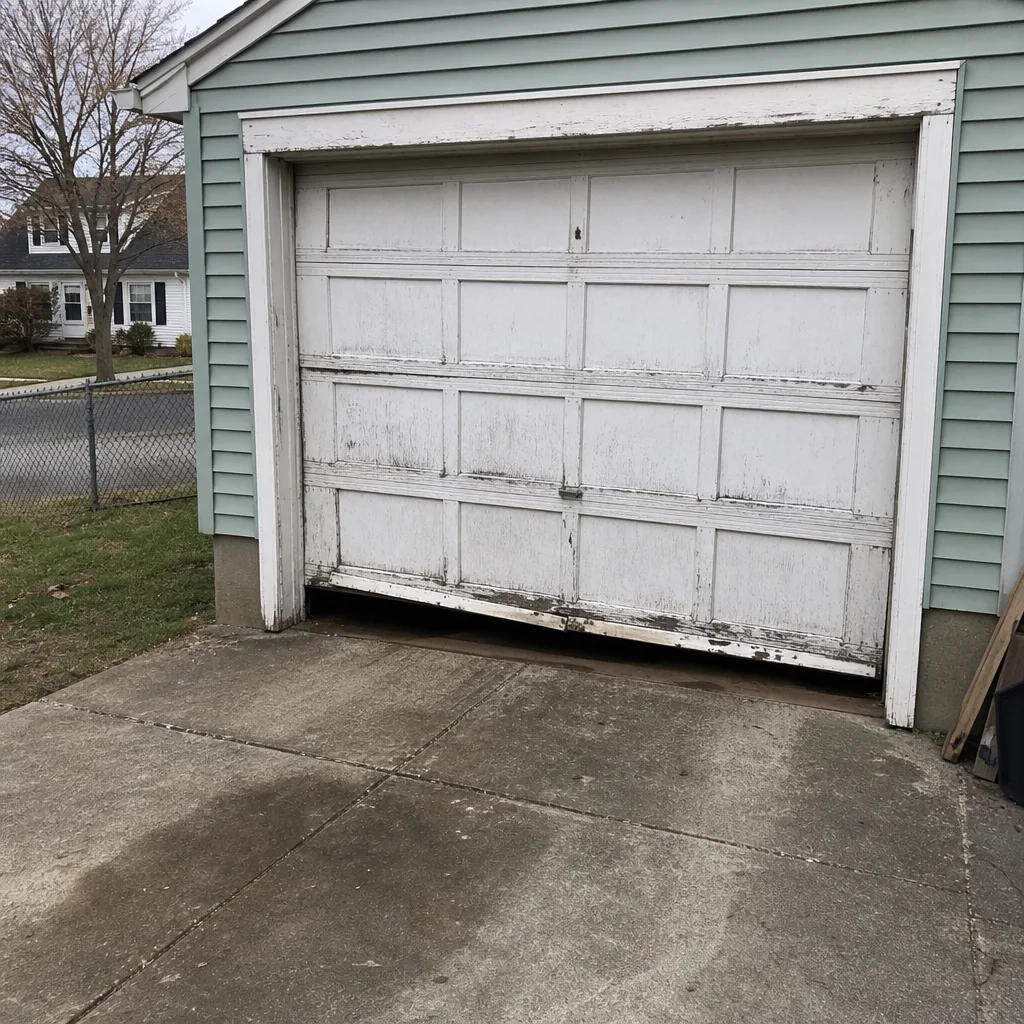 Before
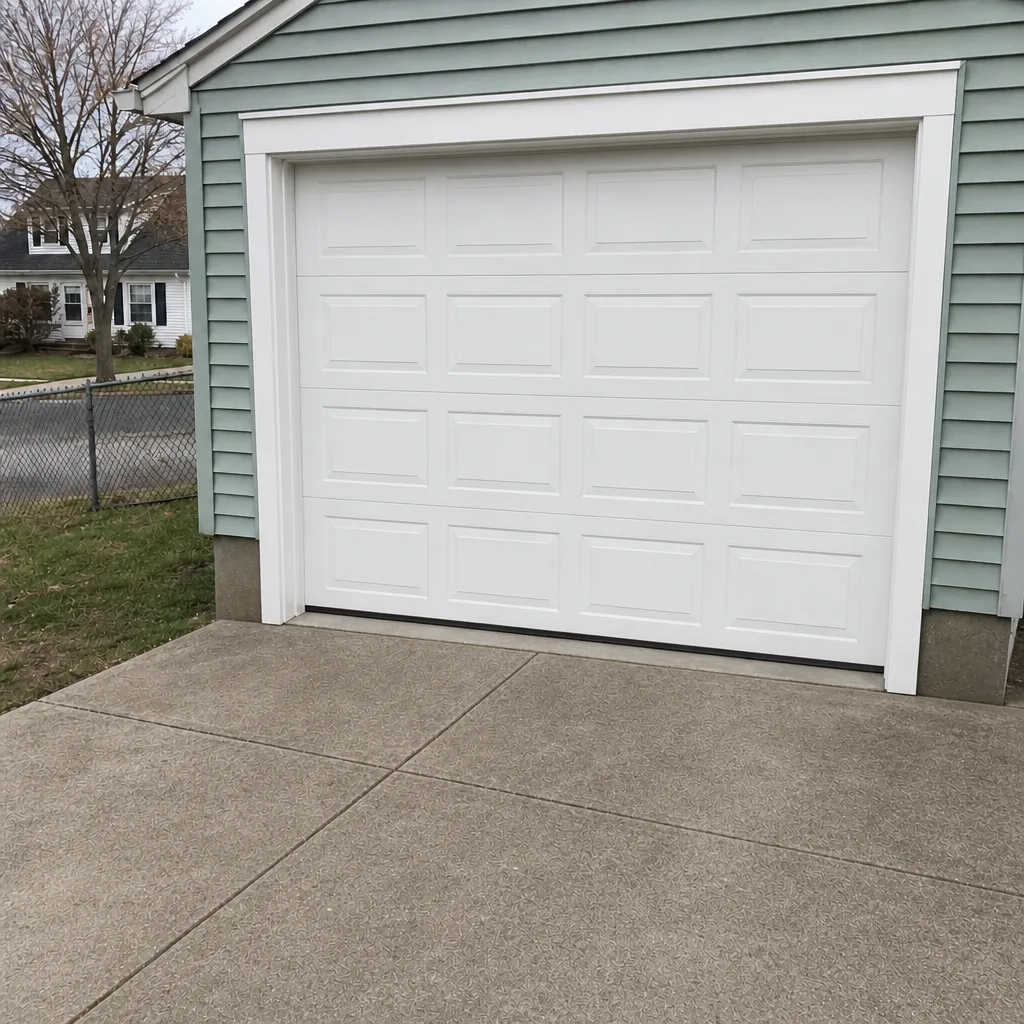 After
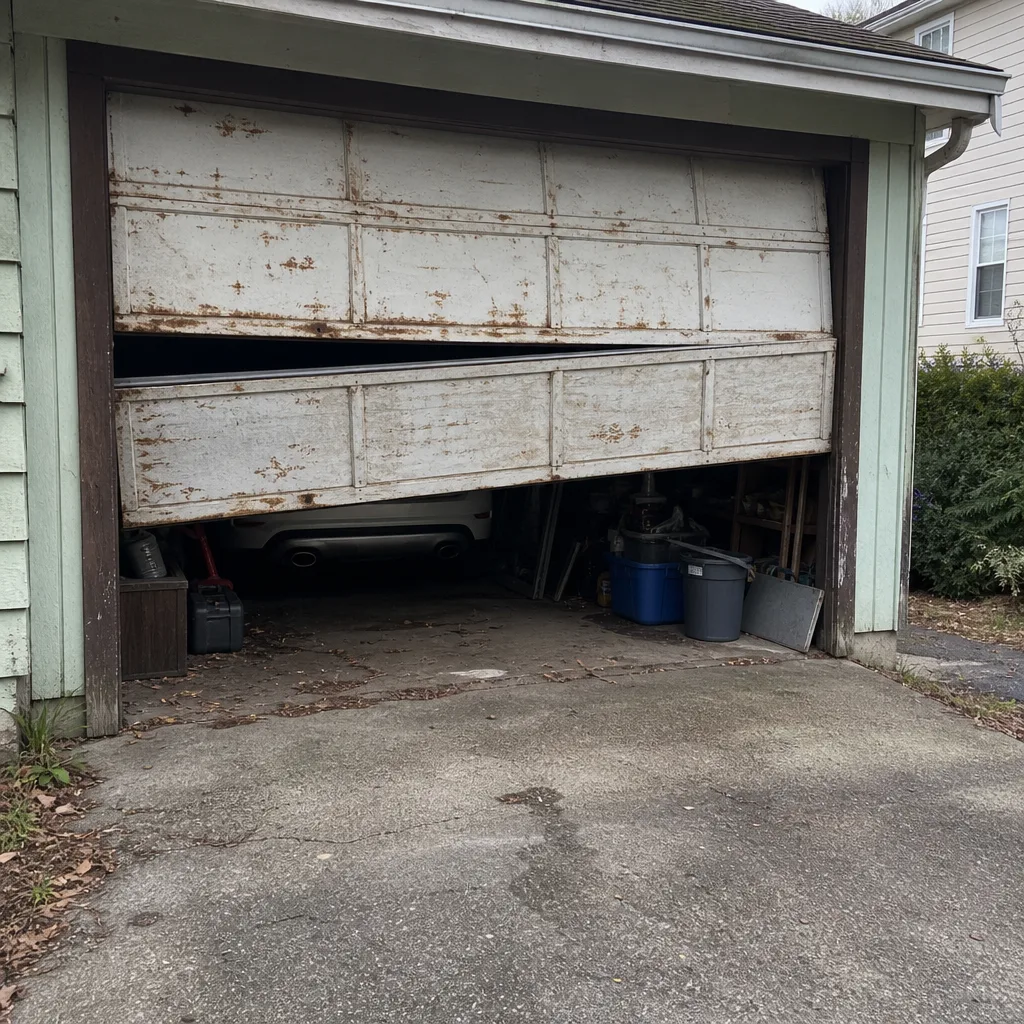 Before
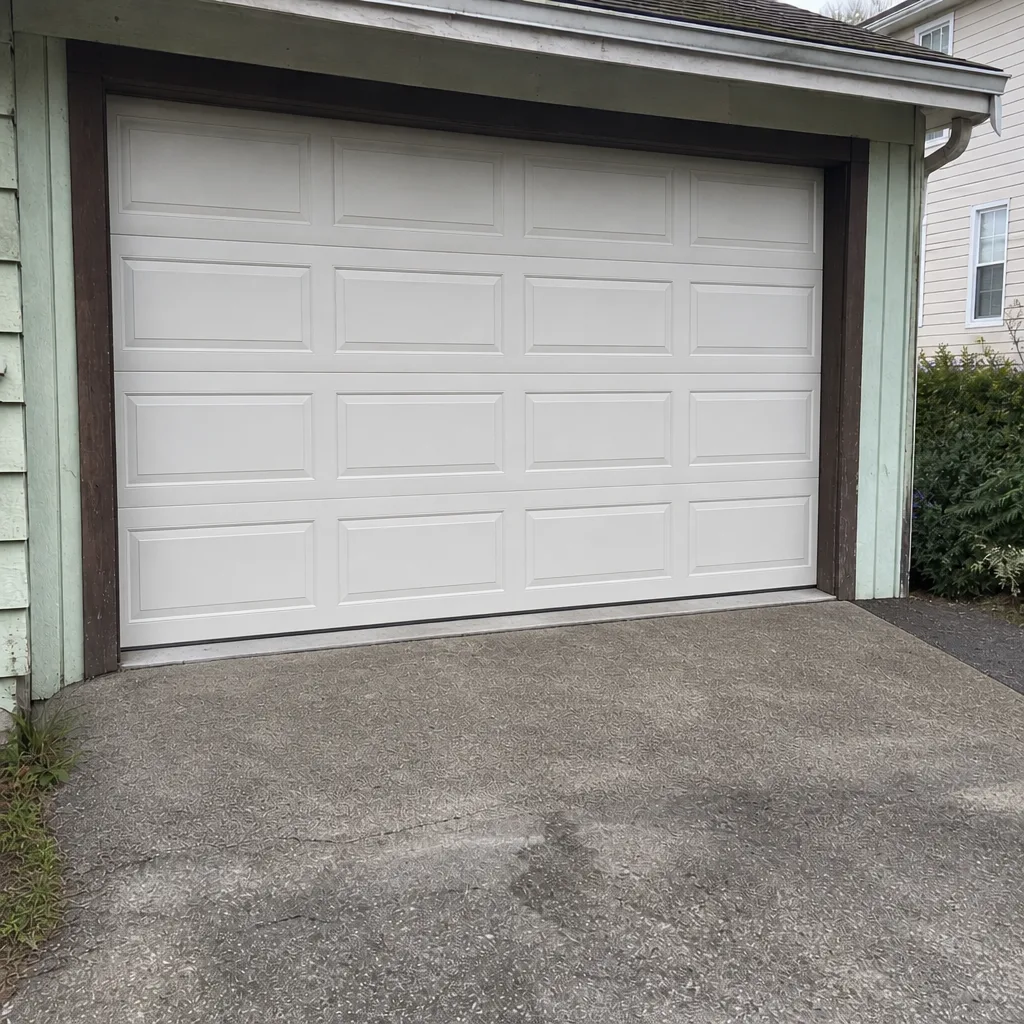 After
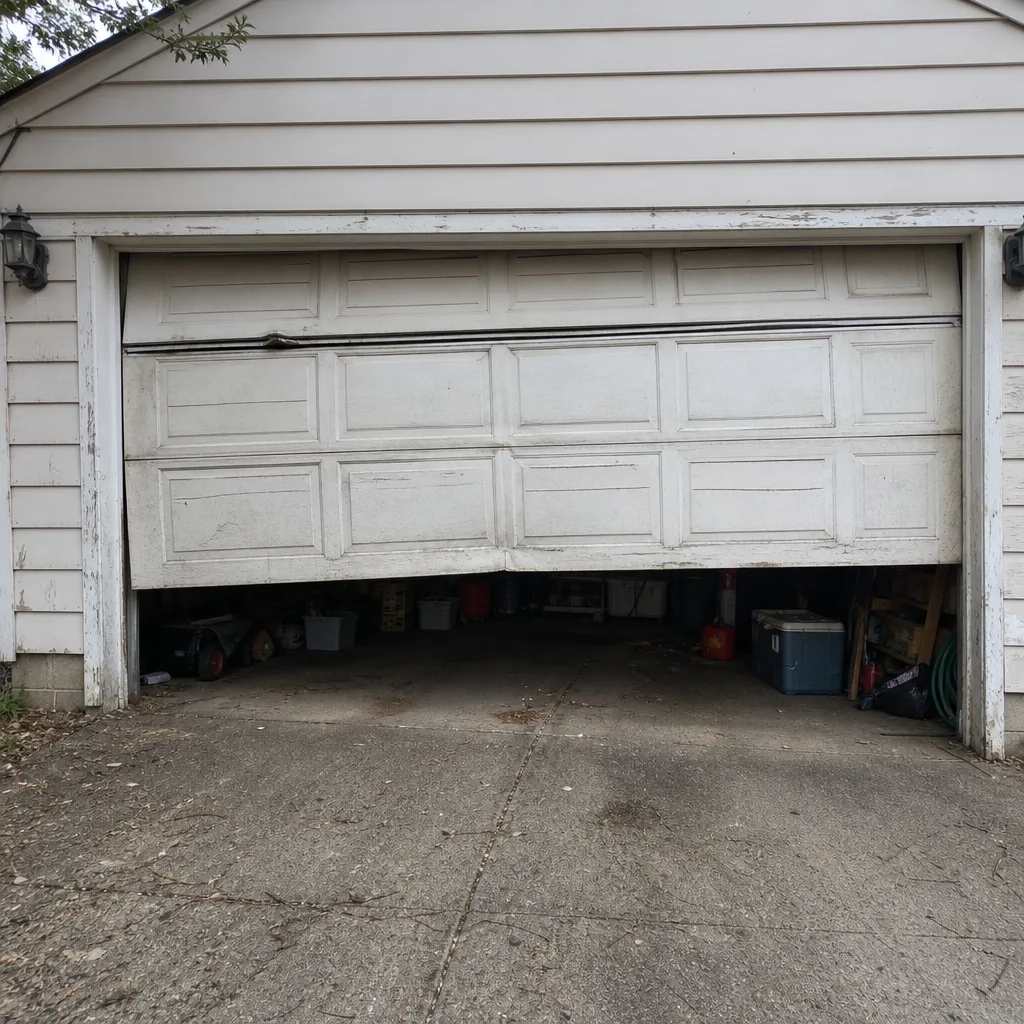 Before
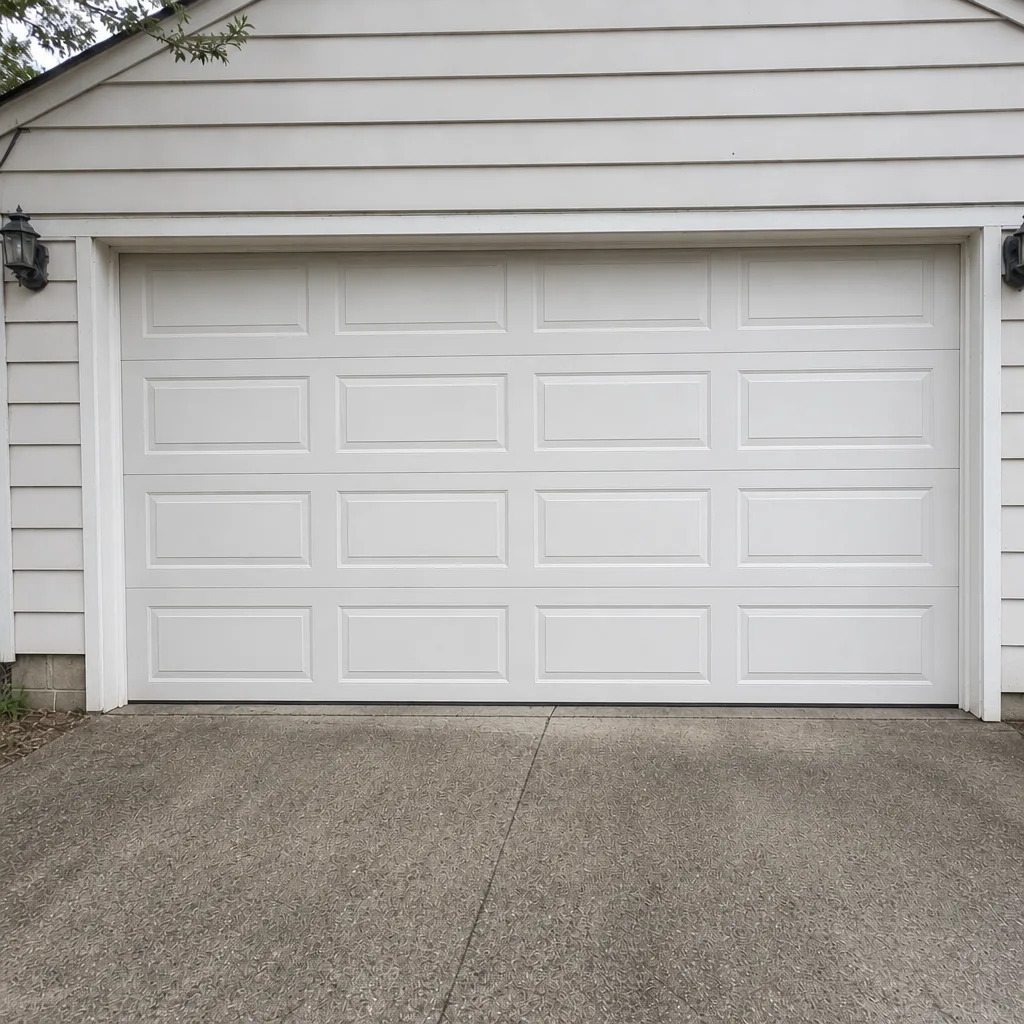 After
When to Call a Professional
Call a professional if the door won’t stay up, rises crooked, has a broken or snapped spring, shows a frayed or kinked cable, jumps the track, or reverses on every cycle. These are the situations where the door can drop, the mechanism can fail mid-travel, or a repair attempt can hurt someone. Also call if the opener runs but the door doesn’t move, if a limit setting won’t hold, or if uneven travel has been getting worse. You don’t need to wait for a total failure; a call while the symptom is small is the lowest-cost path. Holyoke Garage Door Repair offers free estimates in Holyoke – call (866) 369-5561. We work on doors and openers from all the major brands we’re certified to service, and we diagnose before we quote.
Frequently Asked Questions
A door that won’t stay up when you lift it is the clearest sign. The spring’s job is to counterbalance roughly the door’s weight, so when it’s failing, the weight in your hand feels dramatically heavier, and the door may fall closed. A loud bang from above the door followed by the opener running without moving the door is the classic snap. In that case, stop using the door and call for same-day service.
They can be. Noise itself is usually a warning, not the danger: grinding points to worn rollers, screeching to dry bearings, rattle to loose hinges or track. The problem is that a stiff, noisy winter door is being forced by the opener, which adds strain to every part. Have it checked before the noise becomes a stuck or crooked door. Cold-weather checks are the best preventive step in Holyoke.
No. Both the torsion spring and the lift cables are under high tension, and releasing that tension without the right tools and training can cause serious injury. A trained technician winds and releases springs safely and can inspect the rest of the door at the same time. The two jobs that should always go to a professional are springs and cables.
Clear the path in front of the sensors and look at the small lights on them. If one light is blinking or won’t stay steady, the reversal is a safety sensor issue. If both stay steady and the door still reverses, especially at the same point each time, the limit or travel setting on the opener is the more likely cause. In either case, don’t raise the force setting to force the door through.
One side of the door rising or lowering ahead of the other means the lifting force on that side is failing. That can be a spring losing tension, a cable slipping or fraying, or a binding drum. Uneven travel that gets worse over a few cycles means stop using the door; if it’s stayed the same for a while, it still deserves a check. Our technicians have up to 11 years of experience reading exactly this kind of symptom.
Typical estimates run from about $70 for a small hinge set to $340 for a single spring, with a matched pair costing roughly twice that. Cables run $120-$250, rollers $100-$220, and opener repairs $150-$400. The written estimate sets the final price and is confirmed before any work starts. Call (866) 369-5561 for an exact quote – estimates are free.
The Bottom Line
Every serious garage door failure has a paper trail of symptoms in the weeks before it happens. A door that slows down, drifts, reverses, or starts to grind is telling you exactly which component is failing. Match the symptom to its urgency: monitor if it’s small, schedule if it’s growing, stop using the door if it’s about weight, springs, or cables. The costs of catching these early are modest; the cost of catching them late is a door that fails at the worst moment. If you’re reading this from a garage in Holyoke, that’s the local reason to check now: the valley’s cold months are the hardest test your door will face all year. If a symptom has shown up, our team is ready to diagnose it and put a written price on the fix. Call (866) 369-5561. We answer 24/7. Fast dispatch from 7am to 7pm, Sunday through Friday.
Written by the team at Holyoke Garage Door Repair.