
Last updated November 23, 2026
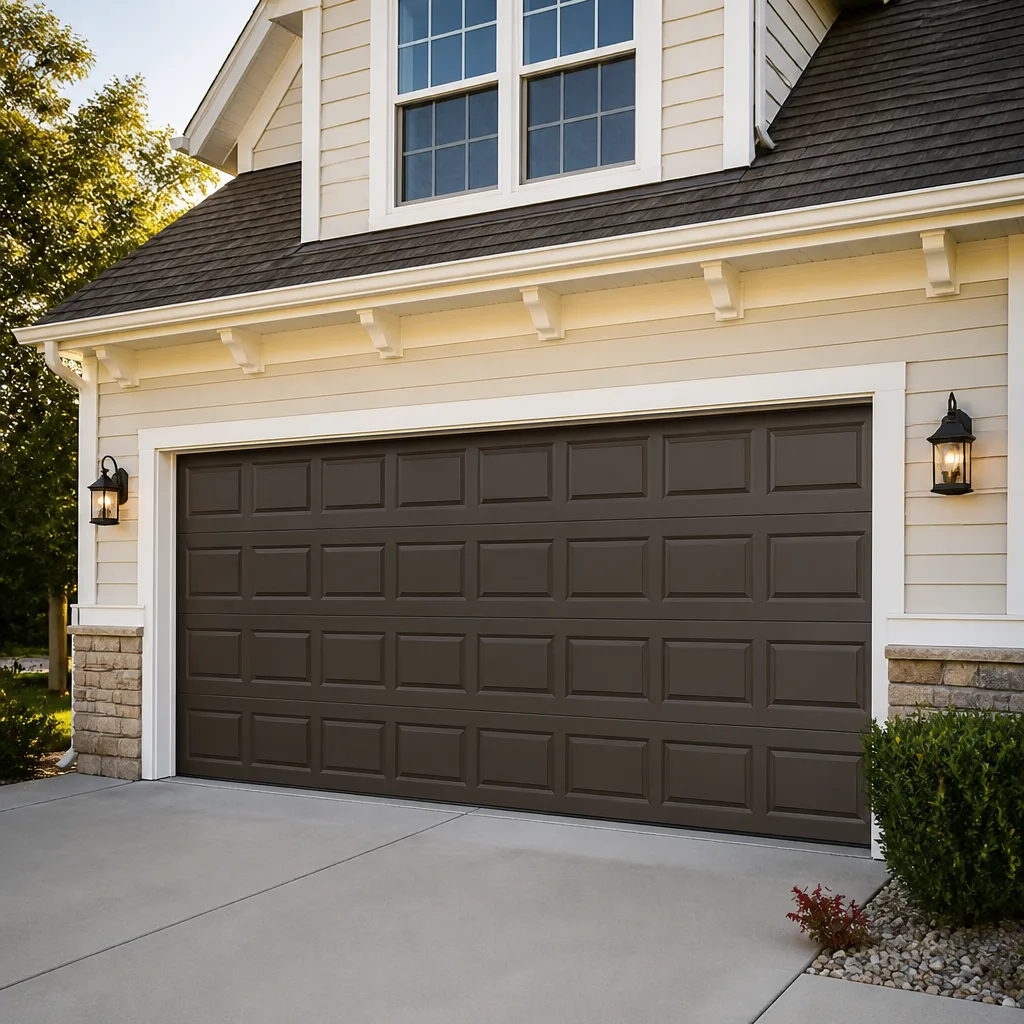 Raised-panel steel
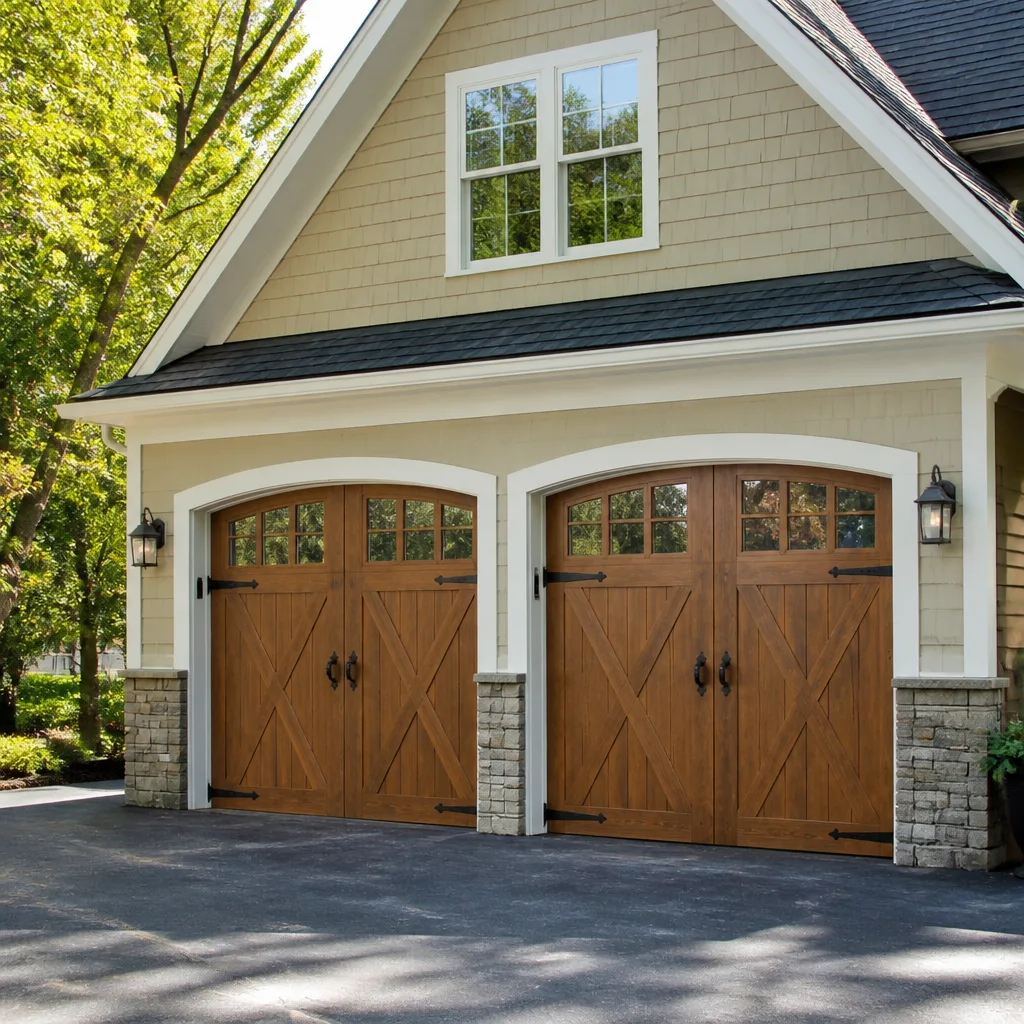 Carriage house
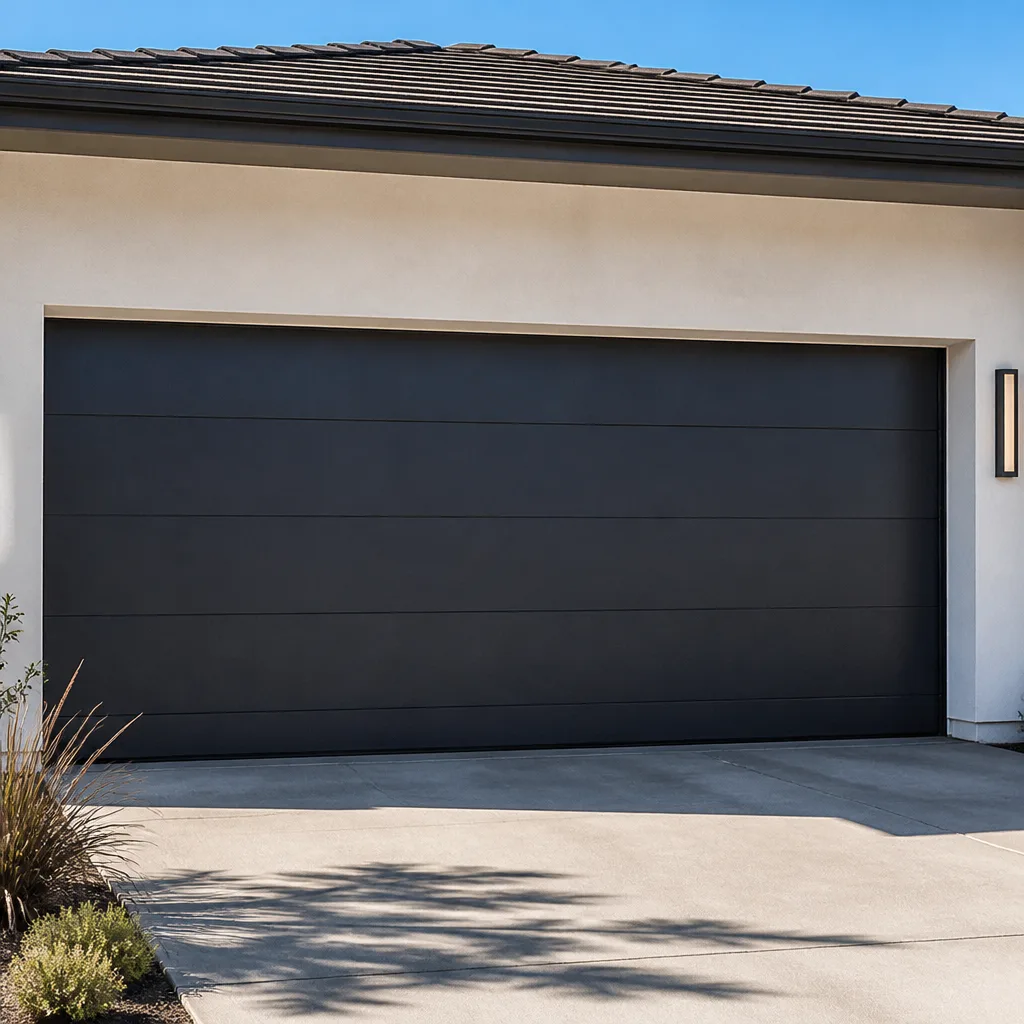 Modern flush
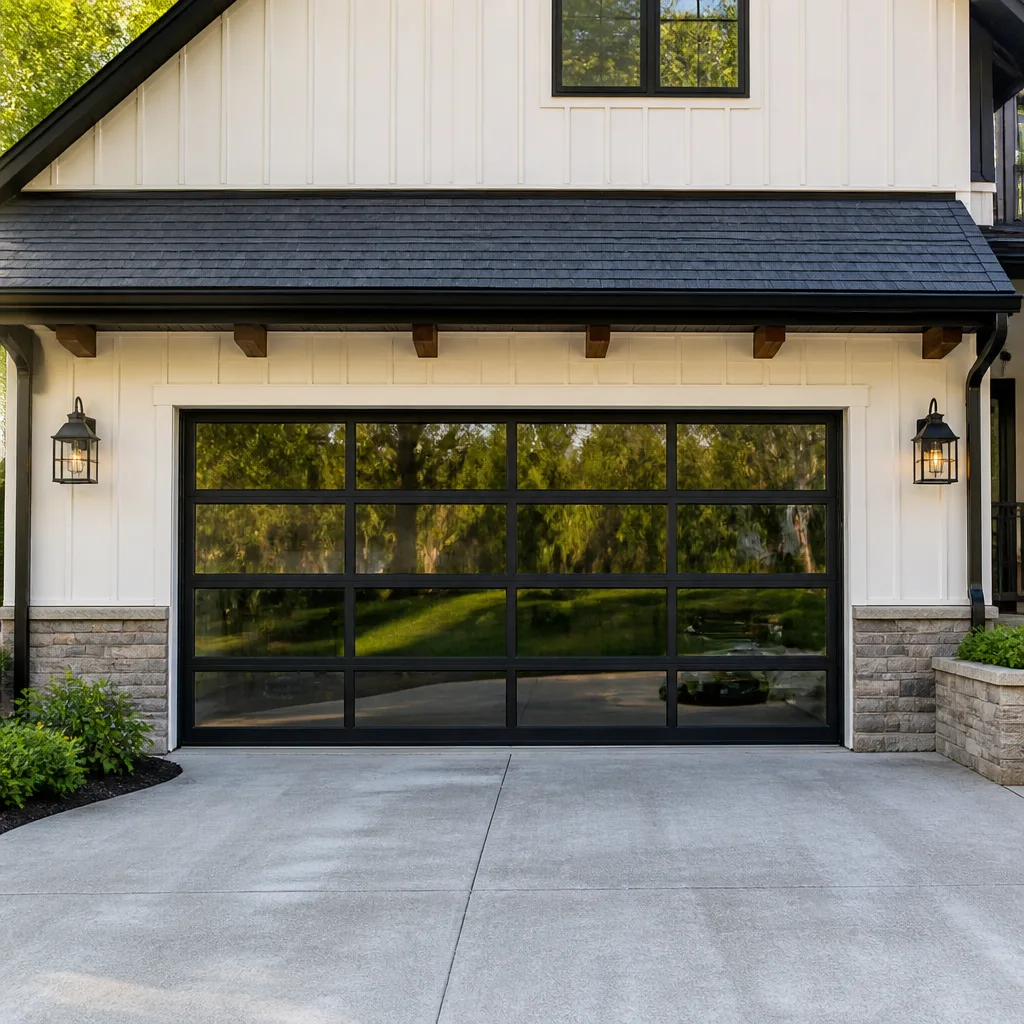 Full-view glass
 LiftMaster openers
 Chamberlain openers
Full 25-point door and opener safety check with every visit - springs, cables, rollers, tracks, and your LiftMaster or Chamberlain opener included
You get a price before we start. It does not change when the pro arrives.
Get your free estimateGarage Door Spring Repair Maintenance Checklist for Holyoke Homeowners
Most spring advice you’ll read online says a torsion spring lasts “up to 15 years.” The number that actually matters isn’t years, it’s cycles, and most garage door springs sold for residential use are rated for roughly 10,000 of them. If your door opens and closes four times a day, that rating runs out in under seven years, faster still when a Holyoke winter adds cold, contraction, and ice to the equation. This guide walks you through a cycle-based maintenance checklist, the visual warning signs that a spring is close to failing, why a matched pair should usually be replaced together, and what to specify when you finally replace one. You’ll finish knowing how to track your own spring’s remaining life.
Quick Answer
Track your spring’s life in cycles, not years. A spring rated for 10,000 cycles running a door that cycles four times a day is due for replacement in about seven years, and every winter in Holyoke shortens that window further because thermal contraction accelerates metal fatigue. Check your springs twice a year for a visible gap in the coil, uneven lifting, and slack cables, and replace both torsion springs as a pair when one fails. Lubricate the springs and moving hardware every six months with a garage-door-specific spray, not WD-40, and always let a trained technician handle the actual spring replacement. Torsion springs are under extreme tension and can cause serious injury if handled without the right tools and training.
Styles & brands we work with
- Raised-panel steel
- Carriage house
- Modern flush
- Full-view glass
- LiftMaster openers
- Chamberlain openers
Table of Contents
- How Torsion Springs Work and Why Cycles Matter More Than Years
- How to Calculate Your Actual Cycle Rate
- Warning Signs a Spring Is About to Fail
- Why Holyoke Climate and Temperature Swings Affect Spring Life
- Lubrication: What Actually Helps a Spring in a Cold Garage
- Why Both Springs Should Be Replaced Together
- When to Call a Professional
- Frequently Asked Questions
How Torsion Springs Work and Why Cycles Matter More Than Years
A torsion spring is a coil of steel mounted above the door on a steel shaft. When you close the door, the spring winds up and stores energy. When you open it, that stored energy does most of the lifting, while your opener only needs to overcome the door’s weight and friction. Every full open-and-close cycle winds and unwinds the spring once, and every one of those cycles uses up a small fraction of the spring’s rated life. That’s the whole game: not time, cycles.
The packaging on a standard residential spring typically reads something like 10,000 cycles, though that number isn’t printed on the box of every spring a builder installs. The U.S. national average of garage door cycles per day is often cited around three, which works out to roughly nine years for a 10,000-cycle spring. That’s the baseline. If your household cycles the door more than that, your spring won’t last that long.
Here in Holyoke, a lot of driveways sit in front of older homes from the Highlands, Elmwood, and the Flats, plus newer construction up toward the hills. Many of those households park a car inside every single day and the door runs four times a day or more: morning out, mid-day back, afternoon out, evening back. That alone pushes the spring’s clock faster than the national average, and cold months add mechanical stress on top of it.
The practical takeaway: a spring that looks fine at seven years could be out of rated cycles, and a spring that looks fine at five years could also be worn out if the door is working overtime. Cycle count, not the calendar, tells you the truth.
How to Calculate Your Actual Cycle Rate
You can figure out your approximate cycle rate in a few minutes with a pencil and a notepad. The math is simple: count the cycles per day, multiply by 365, then divide 10,000 (the typical rating) by your daily cycle count.
- Count daily cycles for a week. A cycle is one full open plus one full close. If you open the door in the morning and close it at night, that’s two cycles per day for that door. If two drivers come and go, count each trip.
- Average the week. Add up the seven daily totals, then divide by seven. That’s your typical daily cycle count.
- Annualize it. Multiply your daily average by 365. That’s roughly how many cycles your door will run in a year.
- Divide 10,000 by your annual cycle count. The result is how many years a 10,000-cycle spring should last at that pace. If you’re not sure what rating your current spring has, that’s one thing your technician can check when they’re out.
- Subtract your spring’s age. That’s your rough remaining life. Past zero, your spring is living on borrowed cycles.
Example math: four cycles a day, every day, gives 1,460 cycles a year. 10,000 divided by 1,460 is about 6.8 years. A spring rated for 15,000 cycles at the same pace would last roughly a decade. Two drivers whose door runs eight cycles a day burn through a 10,000-cycle spring in roughly three and a half years. That’s why the “15 years” number in the marketing is misleading for high-traffic households.
A word of caution: don’t try to read this info off the spring by feeling around or measuring the wire yourself. It’s a job for a trained eye while the door is in a safe position, and a good local technician can tell you your spring’s wire size and estimated remaining life in a quick look.
Warning Signs a Spring Is About to Fail
Springs rarely snap without any warning. There’s usually a short window of physical clues before failure. Here’s what to look for, and importantly, how to check safely. Never put your hands, fingers, or tools anywhere near a torsion spring, cables, or drums. If you can only observe from the floor with the door closed, do that.
- A visible gap in the coil. Look at the spring from the floor. If you see a distinct break or separation in the coil, the spring is already compromised. Don’t try to open the door.
- Uneven door lift. Stand back and watch the door lift. If one side rises faster than the other, or the door seems to twist as it rises, one spring may be weaker than the other.
- Cable slack. The cables that run alongside the door should stay reasonably taut when the door is moving. Slack or a dangling cable usually signals a spring that has lost tension or broken.
- Loud bang from the garage. A torsion spring failure sounds like a rifle shot or a door slamming hard. That sound usually means the spring already broke.
- Door slams down when the opener is released. If the door drops hard instead of lifting easily by hand, the spring has lost its stored energy.
- Visible rust or heavy pitting on the spring wire. That’s a structural red flag in cold climates. Winter condensation and ice can accelerate corrosion.
If any of those signs apply, stop using the door and call for same-day evaluation. A broken spring is a mechanical emergency, not a “wait until next month” affair. We answer 24/7 at (866) 369-5561 for exactly this reason, and if a spring gives out on a Sunday, we’re here to book the work. Our technicians have up to 11 years of experience working with the spring brands found on the equipment in Holyoke homes, and knowing the specific hardware on a Clopay or Amarr door saves diagnostic time.
Why Holyoke Climate and Temperature Swings Affect Spring Life
Springs are made of steel wire that has been shot-peened and heat-treated to specific tolerances. They live longer when the temperature around them stays relatively stable. Holyoke doesn’t give you stable. The garage here can sit near freezing or below through the depths of winter, then swing into humid summer days that push the metal the other way. Each extreme and each transition adds a small amount of fatigue to the steel, which is why springs in this part of Massachusetts tend to wear faster than the textbook cycle math suggests.
Holyoke sits in the Connecticut River valley, and winter mornings here can be brutally cold. The practical result is twofold: the spring metal losses some of its elasticity when it’s very cold, and the door’s own weight and friction change with temperature too. That means a spring working under these conditions is under a different load than the same spring in a milder climate.
When it’s time to replace a spring, ask your technician what the wire gauge and cycle rating on the new spring actually are. A thicker-gauge wire with a higher cycle rating often costs a bit more but lasts considerably longer on the same doors in this climate. It’s the single most useful spec to specify, and it’s exactly the kind of question a brand-familiar technician can answer without sounding like they’re guessing.
This guide isn’t going to tell you how to replace a spring yourself, and that’s deliberate. Torsion springs store enough force to cause serious injury, and one slip while winding a spring can break bones or worse. No YouTube video changes that physics. If you need this work done, use garage door spring repair and let a trained technician handle the torsion spring under a winding bar. If you’re also noticing opener issues, our garage door opener repair page covers the electrical side, and we’re happy to look at both at the same visit.
Lubrication: What Actually Helps a Spring in a Cold Garage
A properly lubricated spring doesn’t last forever, but a dry spring will wear out faster. The trick is using the right product. WD-40 is a water-displacing solvent, not a lubricant in the long-term sense. It works for loosening a stuck bolt, but it evaporates and leaves a thin film that attracts dust and dirt. On a torsion spring, that means grit works its way into the coil and accelerates wear rather than reducing it. In a cold garage, a wet spray without a heavier base can also freeze or become sticky.
The right answer is a garage-door-specific spray lubricant, often sold as a silicone or lithium grease spray, applied to the spring coils’ surface, the hinges, the rollers, and the door’s track contacts. It goes on once, then twice a year at most. You’re not trying to soak the spring; you’re trying to put a thin, clean barrier between the steel and the air.
- Work with the door in the closed position so nothing is under active tension while you’re handling the spray. Don’t spray the spring while it’s wound.
- Spray a light coat along the outside of the spring coil and into the moving hinge points.
- Wipe away excess spray so it doesn’t drip onto the garage floor or the car.
- Run the door up and down twice, then re-apply once more along the spring surface.
- Repeat every six months, ideally before the first cold snap and again after winter.
Do not use WD-40, wd-40 branded silicone alternatives, or plain motor oil on the springs. If you’ve already used one of those, the spring isn’t ruined, but switch to a garage-door-specific product next time. If you’re unsure, our garage door repair team can tell you what’s on your spring when we’re there for a repair visit.
Why Both Springs Should Be Replaced Together
When one torsion spring breaks, the smart move is to replace both, even if the other looks fine. The reason is simple: matched pairs are installed as a system. They’re wound the same number of turns, carry the same load, and have the same rating. If one has failed, the other is close behind it in age and cycle count. You’ll pay for the labor and travel for one visit either way, so doing both springs at the same time means you’re not paying for a second service call in a year or two when the second spring finally gives.
The second reason is balance. A replacement spring on one side paired with a well-used spring on the other side means the door lifts unevenly. That unevenness puts extra load on the opener, the tracks, the hinges, and the panels. Over time you wear out a whole door because one spring was replaced in isolation. It’s a false economy.
The exception is if the existing springs are relatively new and something specific (like a manufacturing defect) caused the failure. A technician can look at the other spring’s condition and tell you whether the pair is worth matching. On most Holyoke homes, though, the answer is both at once. Ask explicitly what your technician recommends and why. A good one will explain the math, not just sell the extra spring.
Our technicians have up to 11 years of experience with the springs and hardware on the doors installed throughout Holyoke, including the older panel doors and the modern sealed ones. That matters because a Genie opener and an Amarr door on the same house bring a specific combination of hardware, and being familiar with both saves a diagnosis visit.
See the difference
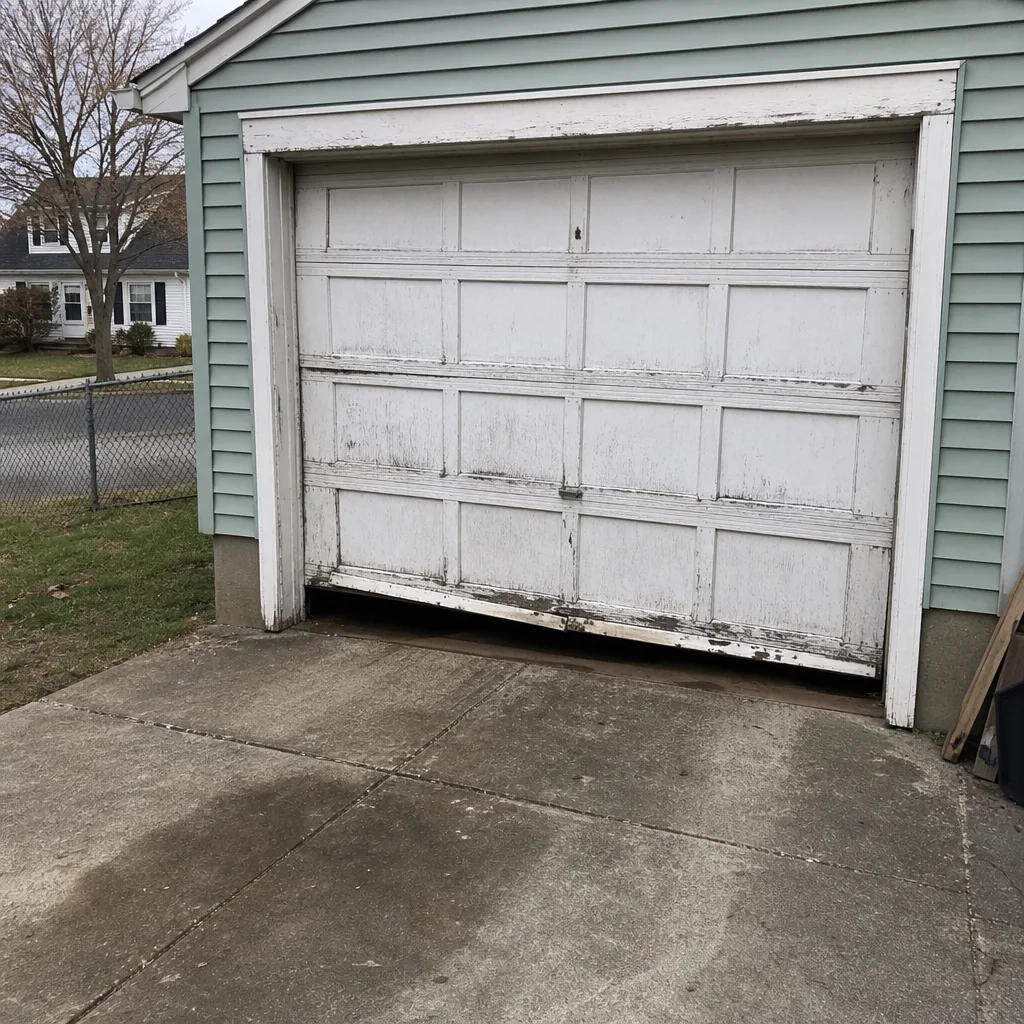 Before
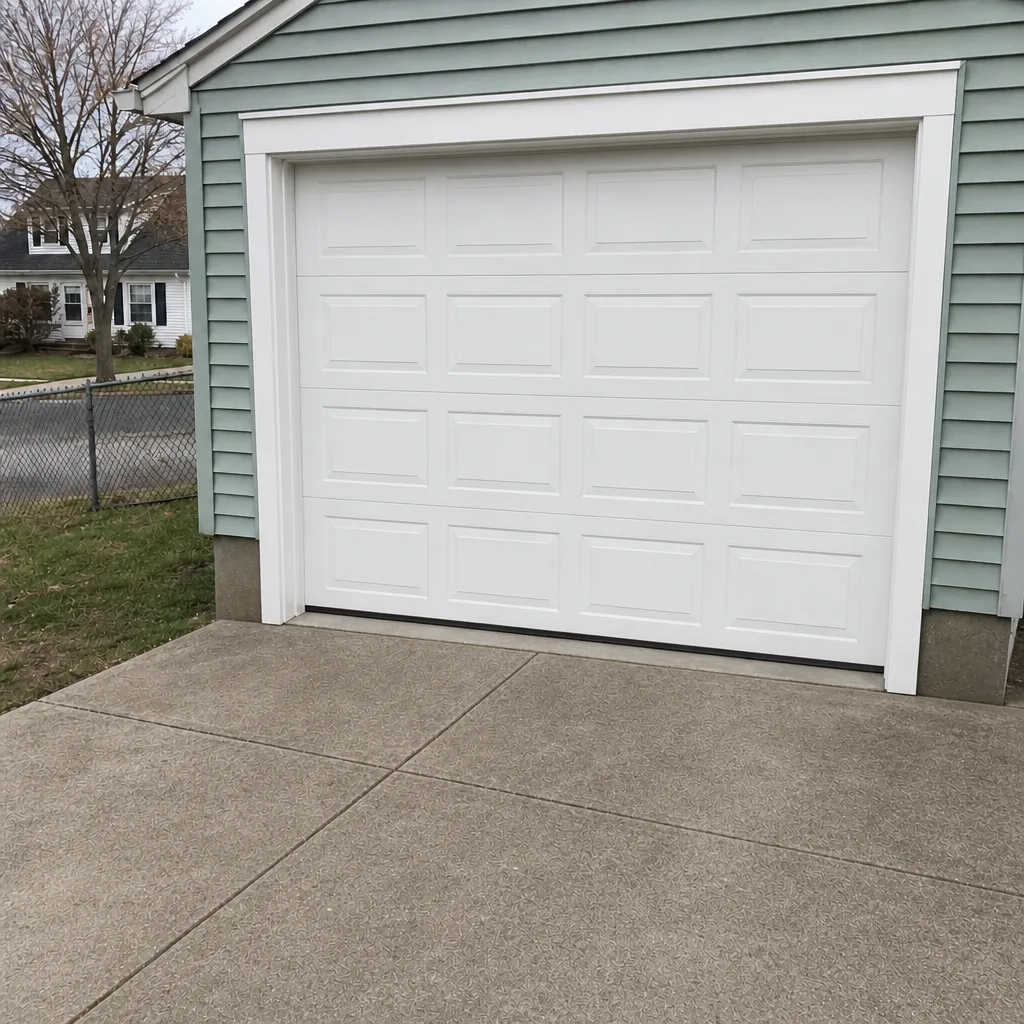 After
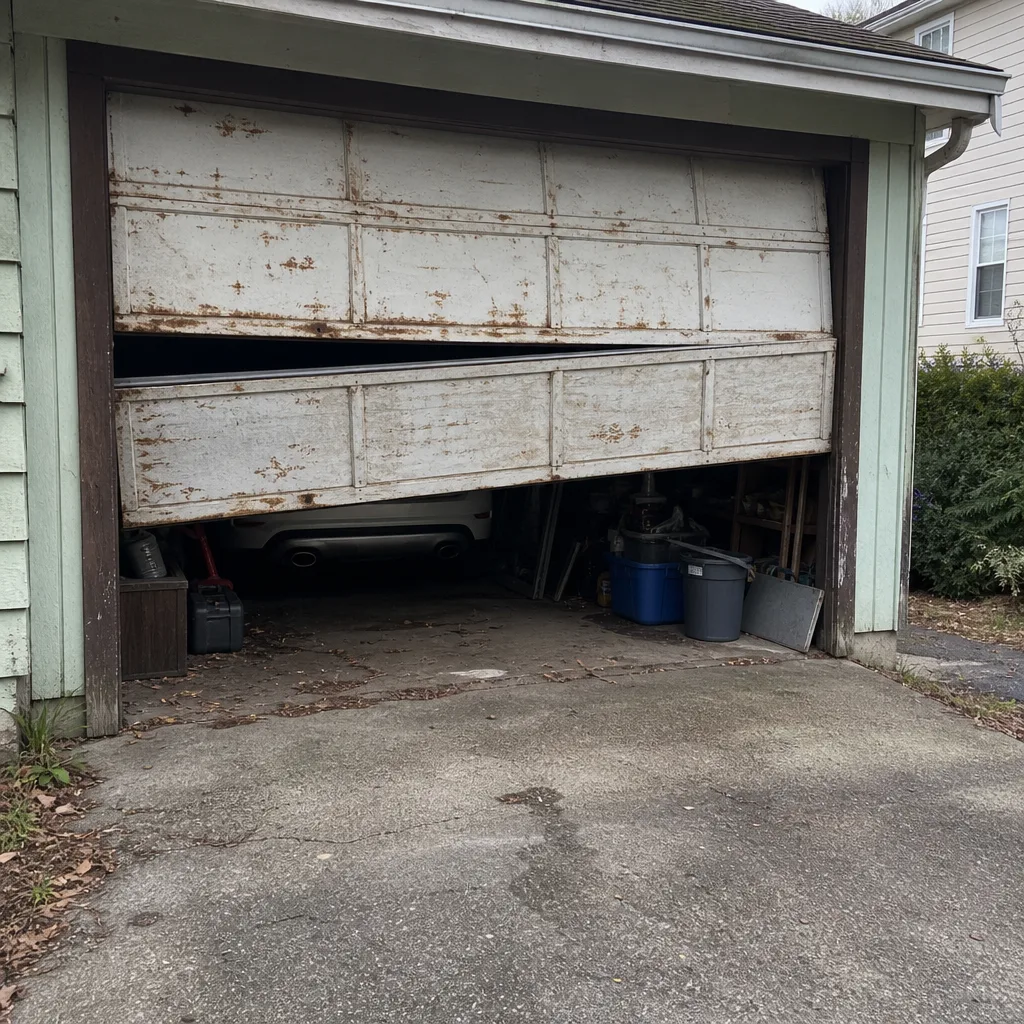 Before
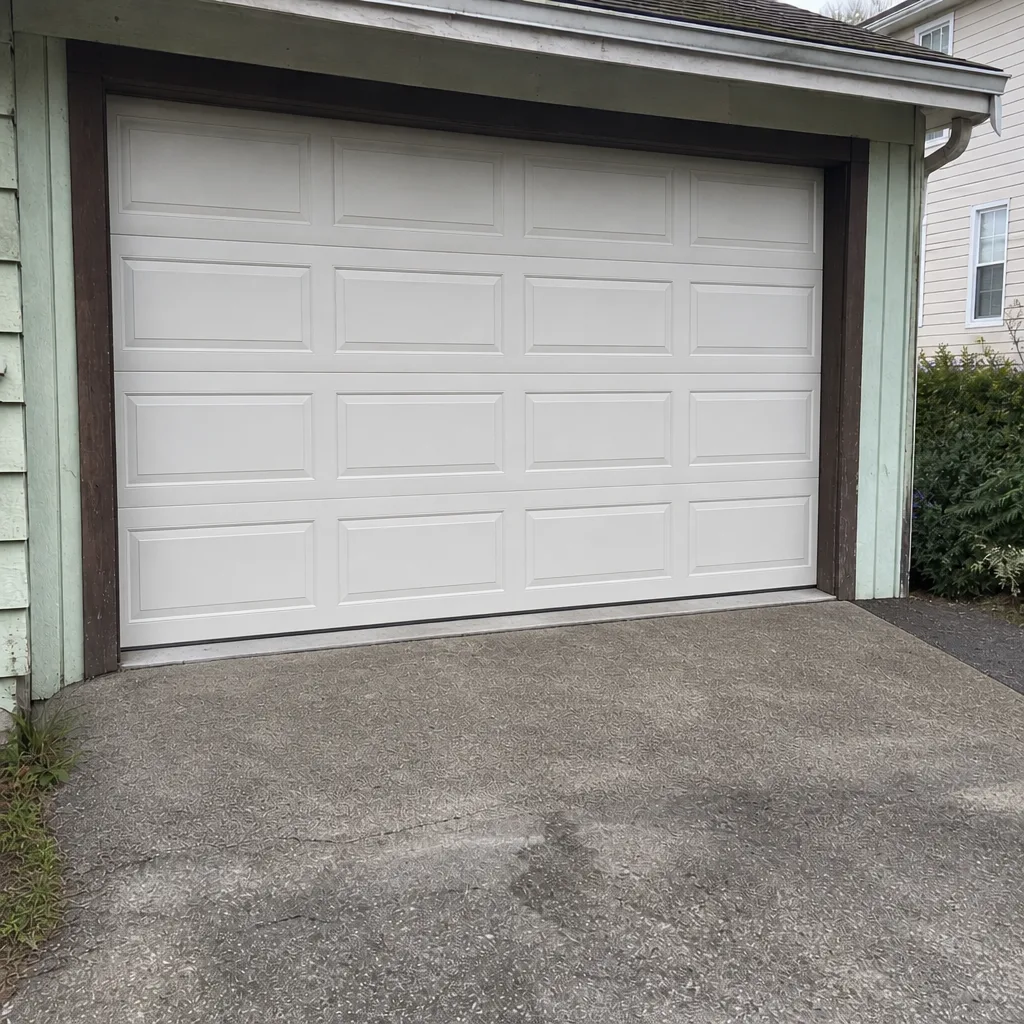 After
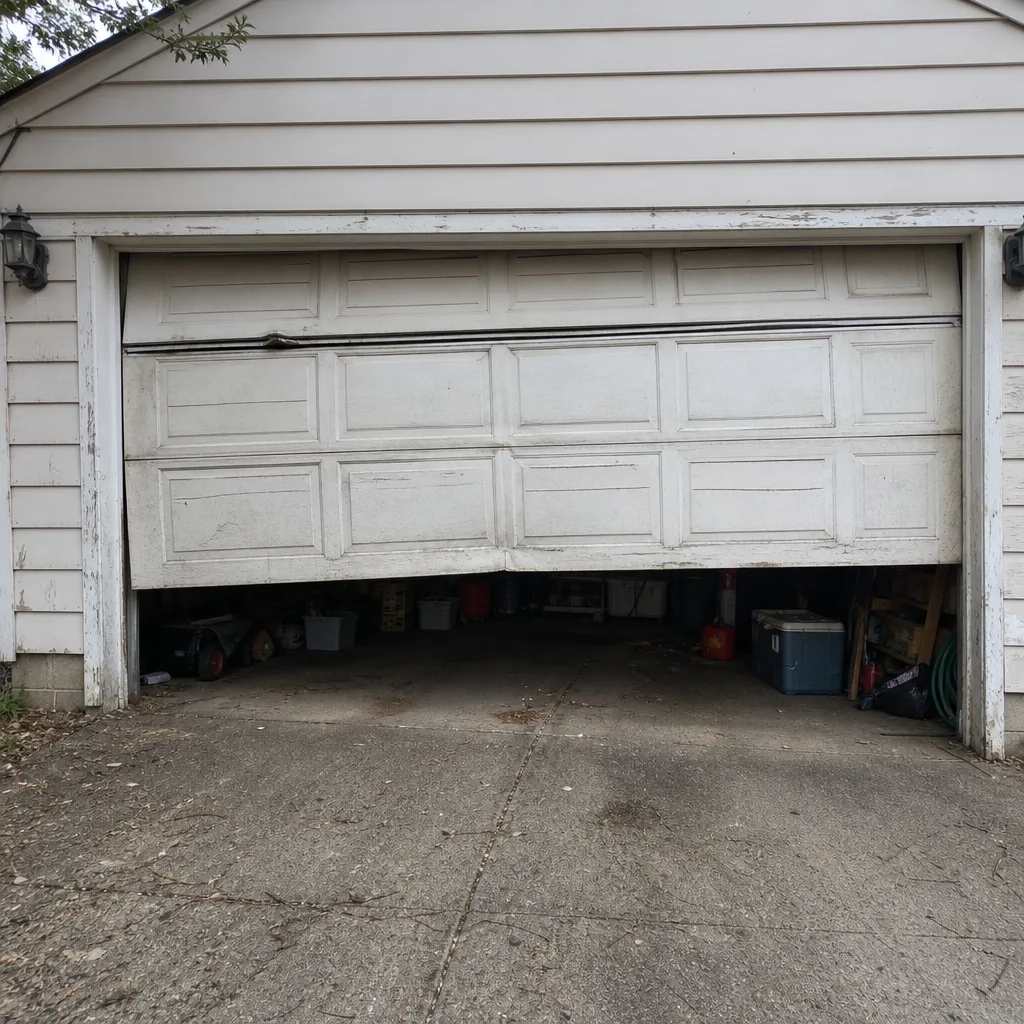 Before
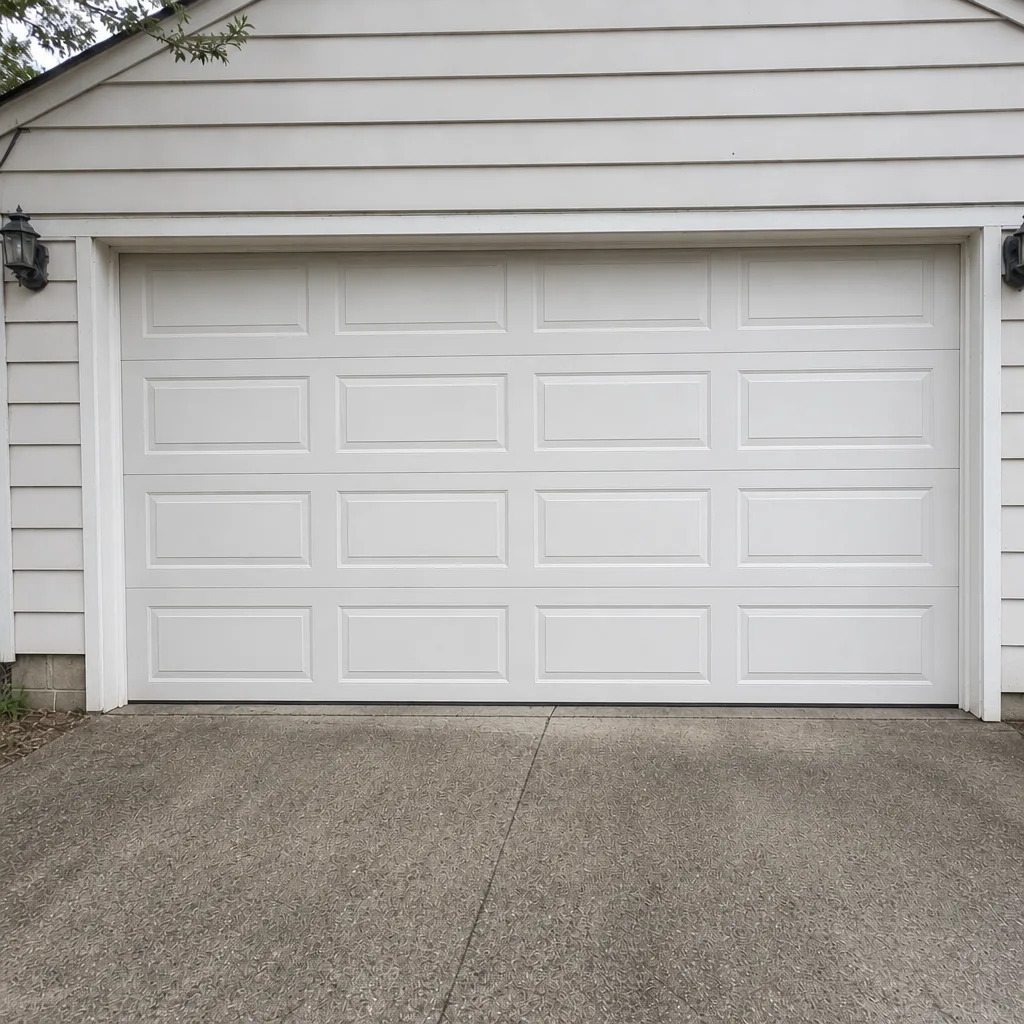 After
Common Mistakes to Avoid
- Judging a spring by its age alone. A seven-year-old spring on a door that cycles twice a day could be fine. A five-year-old spring on a door that cycles ten times a day could be on its last legs. Always check cycles.
- Lubricating with WD-40 or general oil. These products displace water and attract grit, and the grit wears the spring faster. Use a garage-door-specific lubricant.
- Replacing only one spring. This leaves the door out of balance and typically leads to a second repair visit within a year or two. The cost math almost never favors it.
- Ignoring the first loud bang. A bang from the garage often means a spring just broke. Don’t keep using the opener; it will strain the opener and can pull the door off the tracks.
- Assuming the “15-year” lifetime claim in bold on some product pages. No spring is guaranteed that long under heavy daily use in a Holyoke winter. Cycle counts are the only honest measure.
- Forgetting a maintenance check before winter. The fall is the best time to lubricate, check for rust, and listen for unusual sounds. The spring is under more stress in the cold.
- Skipping the matched-pair question. If you’re planning a replacement, ask your technician to quote both springs, not just the broken one. The written estimate tells you the real numbers.
When to Call a Professional
Call a professional if a spring has visibly broken, if the door slams down when the opener disengages, if you hear a bang from the garage and the door won’t hold open, if the door lifts unevenly, or if the spring has visible rust, pitting, or a gap in the coil. These are all signals that a trained technician needs to inspect and, likely, replace the spring. Don’t try to open the door repeatedly to “test” it; you’re putting wear on the opener and stress on the tracks every time.
The good news on cost: Holyoke Garage Door Repair offers free estimates in Holyoke. Call (866) 369-5561. We answer 24/7. Fast dispatch from 7am to 7pm, Sunday through Friday. A call outside dispatch hours gets booked into the next opening, so nothing sits unresolved. We work on the springs on every major door brand we see in this city, including Chamberlain openers and Clopay doors, and we can quote both springs together so you’re not paying for two visits. The written estimate is the price, so there’s no surprise on the invoice.
If you want a broader look at what else we offer for a door that’s not just spring-related, that’s covered on our Holyoke Garage Door Repair main page.
Frequently Asked Questions
Twice a year is the right rhythm: once in the fall before the coldest months and once in the spring after the winter stress. Each check should include a visual inspection from the floor (no hands near the spring), a listen for new sounds, and a lubrication pass with a garage-door-specific spray. If your door cycles more than four times a day, add a quick monthly look.
Many standard residential torsion springs are rated at 10,000 cycles, though some builders install lower or higher-rated springs. The “15 years” figure that circulates online assumes a very low daily cycle count, and a household cycling four times a day will typically exhaust a 10,000-cycle spring in about seven years. Ask your technician for the rating on your spring when you’re due for a checkup.
We don’t quote a specific price over the phone because the correct replacement depends on door size, spring gauge, cycle rating, and whether you’re renewing one spring or a matched pair. After a quick inspection, you’ll get a written estimate that covers the spring and the labor, and that estimate is the price. Call (866) 369-5561 for a free estimate – estimates are free.
Usually, yes. The warning signs include a visible gap in the coil, uneven door lift, cable slack, and rust or pitting on the spring wire. If any of those apply, stop using the door and get it inspected before it fails. A snap while the door is in motion can pull the door off its tracks, which turns a spring replacement into a much bigger repair.
Cold metal contracts, loses elasticity, and becomes more brittle. Holyoke’s winter temperatures, combined with moisture from ice and snow in the garage, put extra stress on the spring each cycle. The temperature swings between seasons also add strain as the metal expands and contracts repeatedly. A higher-cycle, thicker-gauge spring replacement handles the local climate better than the lighter springs some builders use.
Don’t try to open or close the door, don’t try to lift the door by hand, and don’t attempt a DIY spring replacement. Torsion springs are under extreme tension and can cause serious injury if handled without training and the right tools. Keep the door down, keep hands away from the springs and cables, and call a trained professional. Call (866) 369-5561 for the fastest path to a repair.
No. Once the technician inspects the door and gives you a written estimate, that estimate is the price for the agreed work. If additional issues are found during the inspection, you’ll be told about them and given a separate quote before any extra work is done. Nothing is added without your prior approval.
The Bottom Line
Spring maintenance in Holyoke comes down to counting cycles, watching for the physical warning signs, lubricating correctly, and replacing both springs as a pair when it’s time. Use the cycle math to estimate your spring’s remaining life, check the door twice a year, and don’t let the “15 years” marketing line convince you to ignore a worn spring. A broken spring is a safety issue, not just an inconvenience, so handle the diagnosis and replacement with a trained professional. If you want a written estimate on a spring check or a full spring replacement, call (866) 369-5561 and we’ll take it from there.
Written by the team at Holyoke Garage Door Repair.